Korva is a scroll of the internet’s best ideas.

Success takes you from the craft
The baker's story
The book The E-Myth Revisited by Michael Gerber tells it through a baker who loves making cakes. She makes them for family and friends, opens a small bakery, and it gets popular. She hires staff who start making some of the cakes, takes on the accounts, then gets a factory, and before she knows it she hasn't made a cake in years.
Where the time goes
The same squeeze hits a writer offered speaking gigs or a musician pulled into rooms with A&R people. What made the writer good was the time spent marinating in ideas, such as three-hour walks with the dog. That time gets squeezed because obvious productivity is easy to track, like hours on Slack or emails sent, while an afternoon of fishing looks like nothing. The Puritan work ethic adds guilt to that.
Business manager
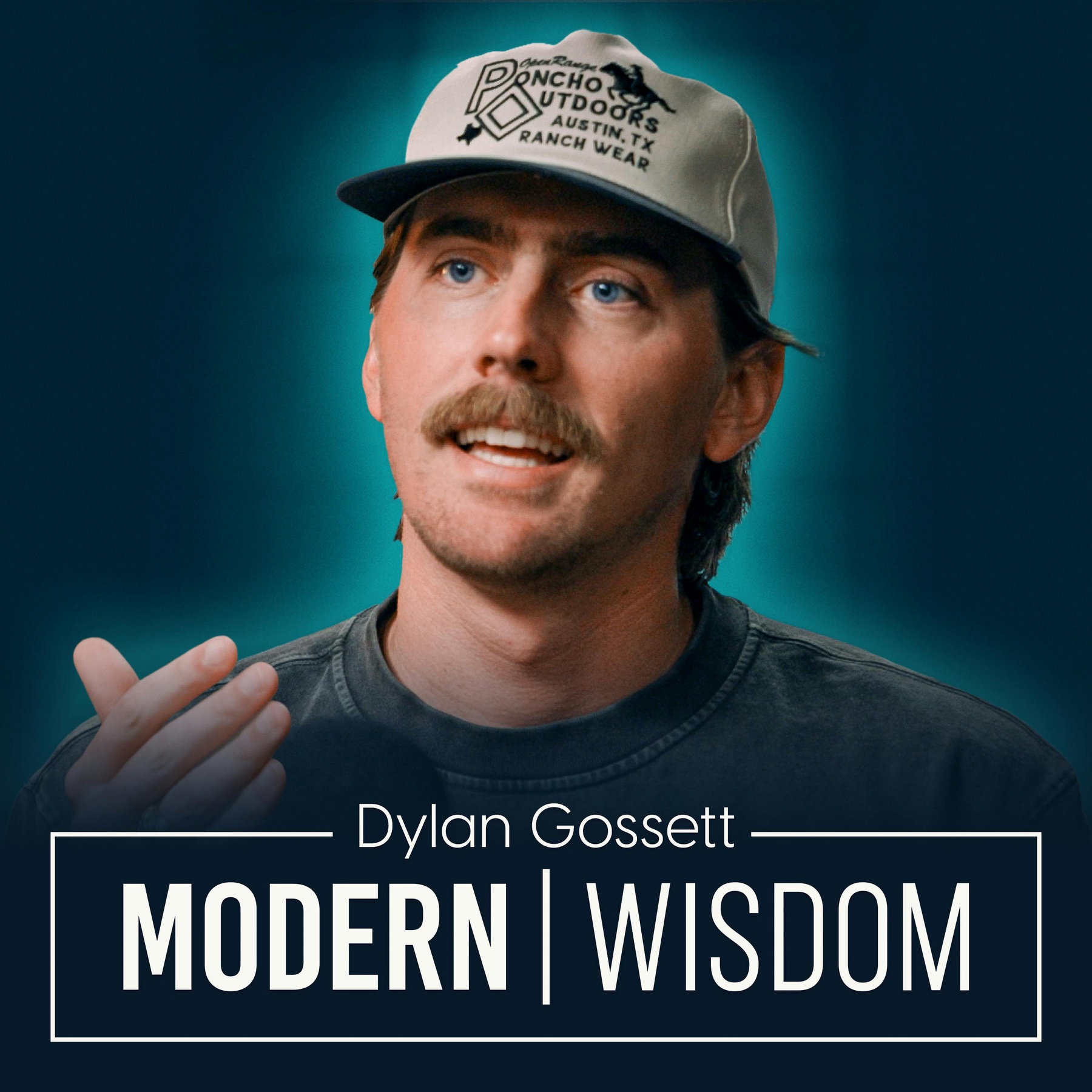
Dylan Gossett feels a version of it: at times he feels more like a business manager than an artist. When he wrote Coal, he had no reason beyond passion for the guitar. Expectations from fans, and from himself as albums pile up, have moved since then.
What does The E-Myth Revisited argue?
Michael Gerber first published The E-Myth in 1986 and issued a revised edition in 1995. Its central claim is that skilled craftspeople often assume that knowing the craft is enough to run a business, which he called the entrepreneurial myth. Gerber divided the work of a business among three roles: the technician who does the craft, the manager who organizes, and the entrepreneur who sets direction.
Why does walking help people think up ideas?
In a 2014 Stanford study, Marily Oppezzo and Daniel Schwartz tested participants on creative thinking tasks while they were walking or sitting. Walking raised creative output by an average of about 60 percent compared with sitting. The boost appeared both while people were walking and shortly afterward. Their study was published in the Journal of Experimental Psychology: Learning, Memory, and Cognition.
Where does the Puritan work ethic come from?
Sociologist Max Weber popularized the phrase in his 1905 book The Protestant Ethic and the Spirit of Capitalism. He argued that Calvinist beliefs, which treated worldly success as a sign of being among the saved, encouraged people to work hard and live frugally. Weber saw this attitude as one influence on the growth of modern capitalism in Europe and North America. Historians have debated the strength of his thesis ever since.
More from Modern Wisdom