Korva is a scroll of the internet’s best ideas.
Don't get ready, stay ready

Faber is in the Hall of Fame and pioneered the bantamweight category. His team spent a day training with a visiting company group, working out physically and talking about mindset. One lesson stuck hardest: nobody owes you anything.
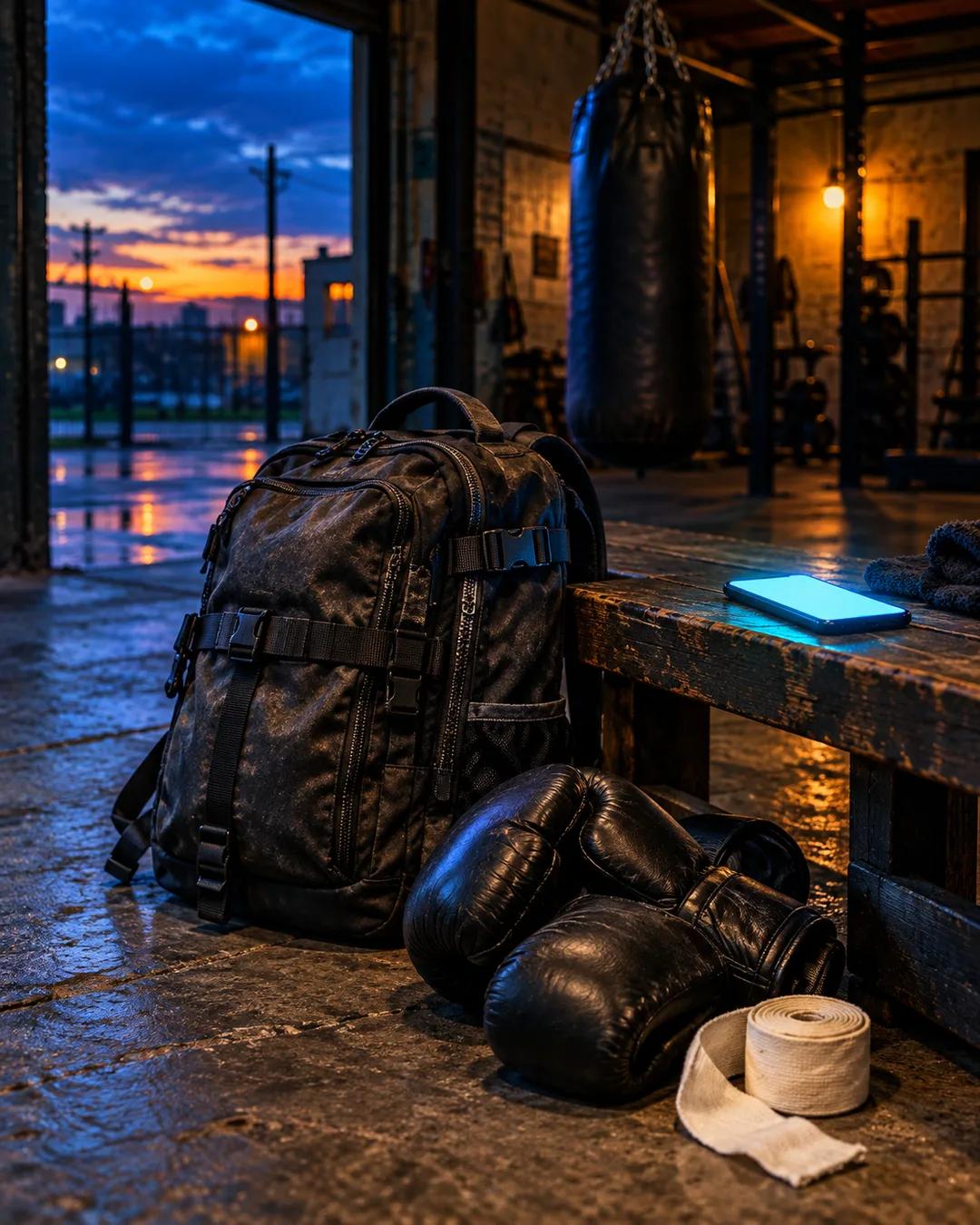
Fighters turn up at their gym from Brazil with a backpack, because fighting is the only thing they want to do or know how to do. They don't need much infrastructure around them, and they don't need anyone to tell them they're ready. They just go do it.
The other lesson was about timing. A fighter who isn't the name in big letters but hopes to be can get called up for a fight at the last minute when someone is hurt or drops out. That call is the moment, and it comes with no warning. The mantra is don't get ready, stay ready.
How do fighters take bouts on short notice?
Fight cards are usually booked weeks or months ahead, so when an injury forces someone out, the promotion looks for a replacement who is already close to the weight limit. Fighters make weight by cutting water and food in the days before the weigh-in, which leaves little room for someone who has only a few days to prepare. UFC rules require fighters to step on the scale the day before the fight.
How did lighter weight classes reach the UFC?
Faber built his name in the WEC, a promotion that specialized in the lighter divisions, where he held the featherweight title from 2006 to 2008. Zuffa, the company that owns the UFC, bought the WEC in 2006 and merged it into the UFC at the end of 2010. That merger brought the 145-pound and 135-pound divisions into the UFC.
More from David Senra