Korva is a scroll of the internet’s best ideas.

Don't trade agency for a cure
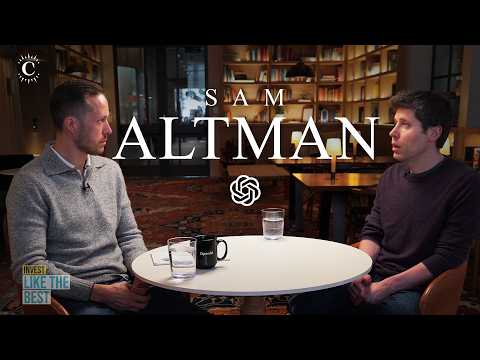
The tradeoff
Concentration of power with AI is a terrifying thing. Much of the talk about safety concerns is well-founded, and a lot of it comes from people who, even if only slightly subconsciously, want to concentrate power.
The case for control
The danger is real fears being used to argue that only a small group can have the technology because it is too dangerous and only they understand it, and that they will make the right decisions for everyone. That would be a world where someone makes decisions for all of the future while everyone collectively cedes all agency.
The open alternative
The alternative is a world where everyone gets to use the technology. For the generation that grew up on the early internet, which had no rules, it was amazing and a huge factor in who they became. Keeping that spirit with AI means everyone collectively keeps the ability to self-determine their future.
How did the early internet stay so open?
Its core protocols were published as open documents that anyone could implement, with no license fee. The Internet Engineering Task Force, founded in 1986, set standards under the motto of rough consensus and running code, a phrase from computer scientist David Clark in 1992. Because any network could connect by following the same rules, no single owner controlled the system. CERN placed the web's software in the public domain in 1993.
How did open-source software spread so widely?
Linus Torvalds released the first version of Linux in 1991 as a hobby project and invited others to contribute. Thousands of developers and companies now contribute to its code, and no one company owns it. According to the TOP500 list of supercomputers, all of the world's 500 fastest machines have run Linux since November 2017.
More from Invest Like the Best with Patrick O'Shaughnessy