Korva is a scroll of the internet’s best ideas.

Dream problems are still problems
The treadmill at work
A new car is the classic case. People spend their time wanting it, get it, and after six months they're bored and looking at the next one. The same thing happens with goals. A musician who once wished for a team to tune his guitar and run the soundcheck gets that team. Then a guitar tech has to leave, and finding a replacement feels like a burden, even though it was a person he once begged to have.
People get accustomed to a different quality of life and level of ease, and what once looked like a prize starts to look like a chore.
Moving goalposts
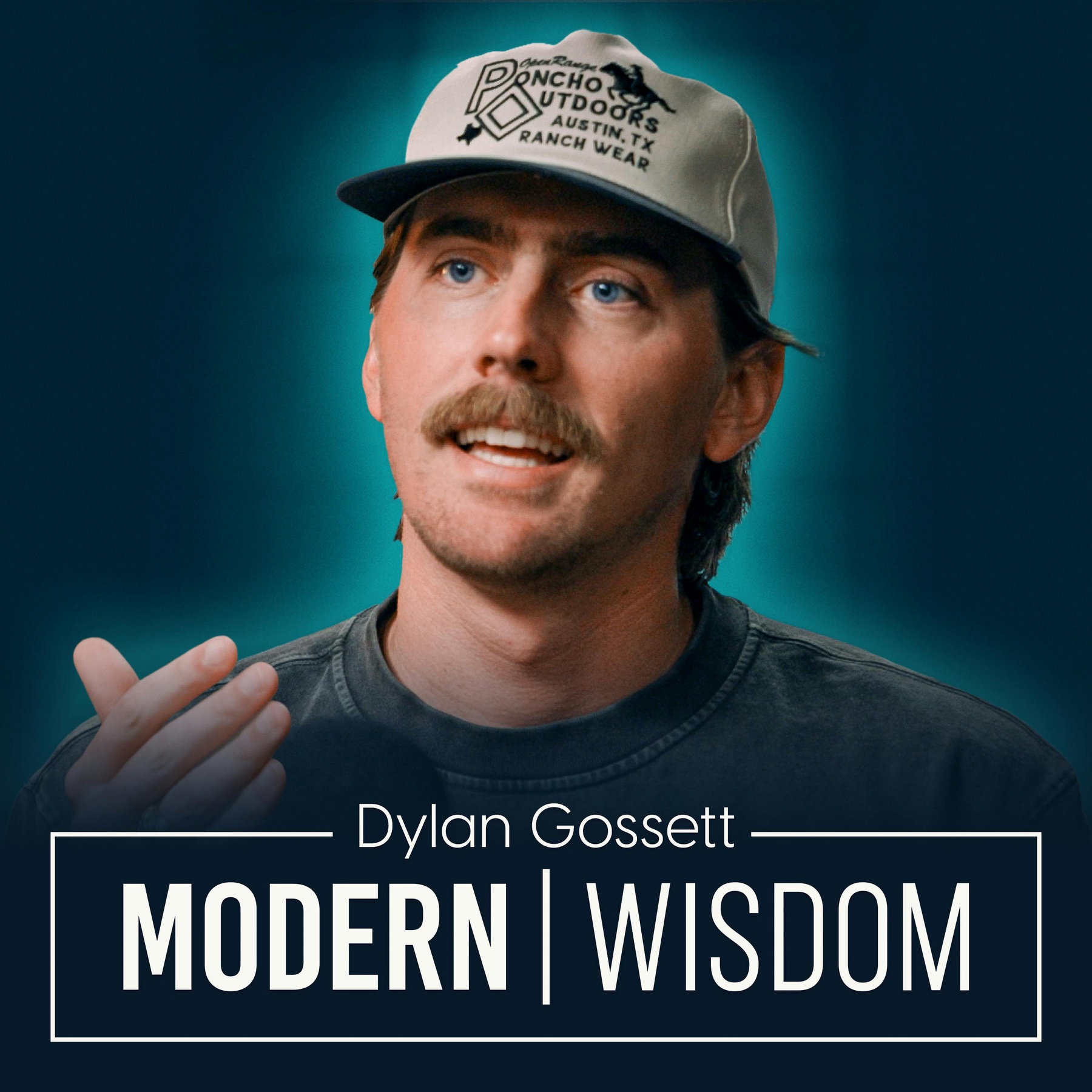
Four years ago, Dylan Gossett would have killed to be stressed about putting an album out or flying to Nashville to sign vinyls. The goalposts moved, and so did what counts as a problem.
Where does the hedonic treadmill come from?
Psychologists Philip Brickman and Donald Campbell introduced the term hedonic treadmill in a 1971 essay on how societies might plan for human happiness. Their idea was that people adapt to improvements in life and return to a baseline level of satisfaction. Each gain therefore sets a new reference point that makes the old one feel ordinary. Brickman and Campbell published the essay as a chapter titled Hedonic Relativism and Planning the Good Society.
Did lottery winners really stay as happy as before?
A 1978 study by Philip Brickman, Dan Coates, and Ronnie Janoff-Bulman compared 22 lottery winners with 22 people who had not won. The winners were not significantly happier overall, and they got less pleasure from everyday events. A much larger 2020 study of Swedish lottery players by Erik Lindqvist, Robert Ostling, and David Cesarini found that winners' life satisfaction stayed higher for years. Later research has therefore shown that adaptation is not complete for every gain.
Do people adapt to everything equally?
In a 2006 paper called Beyond the Hedonic Treadmill, Ed Diener, Richard Lucas, and Christie Scollon reviewed long-term studies of how people respond to life events. They found that adaptation varies by event: people adapt quickly to some changes, while unemployment and widowhood leave lasting marks on well-being for many people. Individuals also differ in how fast they return to their baseline. The paper was published in American Psychologist.
More from Modern Wisdom