Korva is a scroll of the internet’s best ideas.
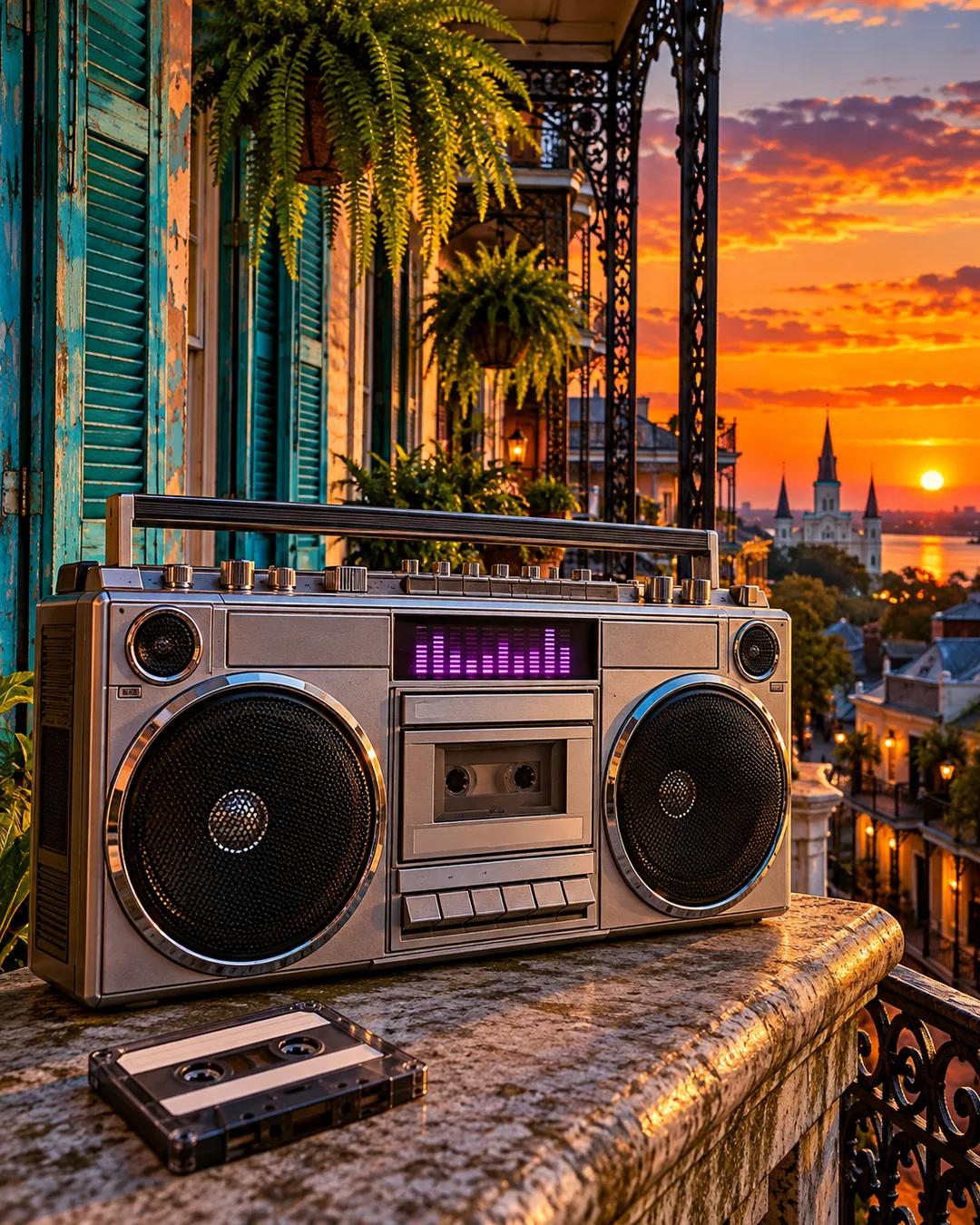
Dylan was listening to Ice-T

The New Orleans sessions
Bono had read Dylan's new lyrics over dinner and recommended a producer, and the two set up in a New Orleans mansion to record an album. Partway through, the producer, Danny, asked what Dylan had been listening to lately. Dylan named Ice-T, and Danny was surprised, though Dylan thought he shouldn't have been.
Why he listened
To Dylan, those groups weren't standing around talking. They were beating drums, tearing it up, and hurling horses over cliffs. They were all poets and knew what was going on.
Somebody different
Somebody different was bound to come along sooner or later, he figured: someone who knew that world, had been born and raised in it, and could be all of it and more. That person would balance on one leg on a tightrope stretched across the universe, work 18 hours a day, and do it with hard words. There would be only one like him. Dylan knew this because at one time that somebody different was him.
How did hip-hop take over in the 1980s?
Hip-hop grew out of Bronx block parties in the 1970s, where DJs looped the instrumental breaks of records for dancers. Rapper's Delight reached the charts in 1979, and by the mid-1980s Run-D.M.C. had become the first rap group to earn a gold album. Their 1986 collaboration with Aerosmith on Walk This Way carried rap onto mainstream radio and MTV. By the end of the decade, groups like Public Enemy and N.W.A were selling millions of records.
How did Public Enemy build their sound?
Public Enemy's production team, the Bomb Squad, layered dozens of samples into dense, noisy collages. Their 1988 album It Takes a Nation of Millions to Hold Us Back built on that approach. Critics regularly place it among the greatest albums of all time. The group's lead rapper, Chuck D, described rap as the Black CNN, a way of broadcasting news from neighborhoods mainstream media ignored.
How did Dylan end up recording in New Orleans?
Bono recommended the Canadian producer Daniel Lanois, who had worked on U2's The Unforgettable Fire and The Joshua Tree. Lanois suggested New Orleans, where he had set up a recording space in a rented house. Dylan's album Oh Mercy came out in 1989. Critics widely praised it as a return to form after a rocky decade.
More from Founders