Korva is a scroll of the internet’s best ideas.
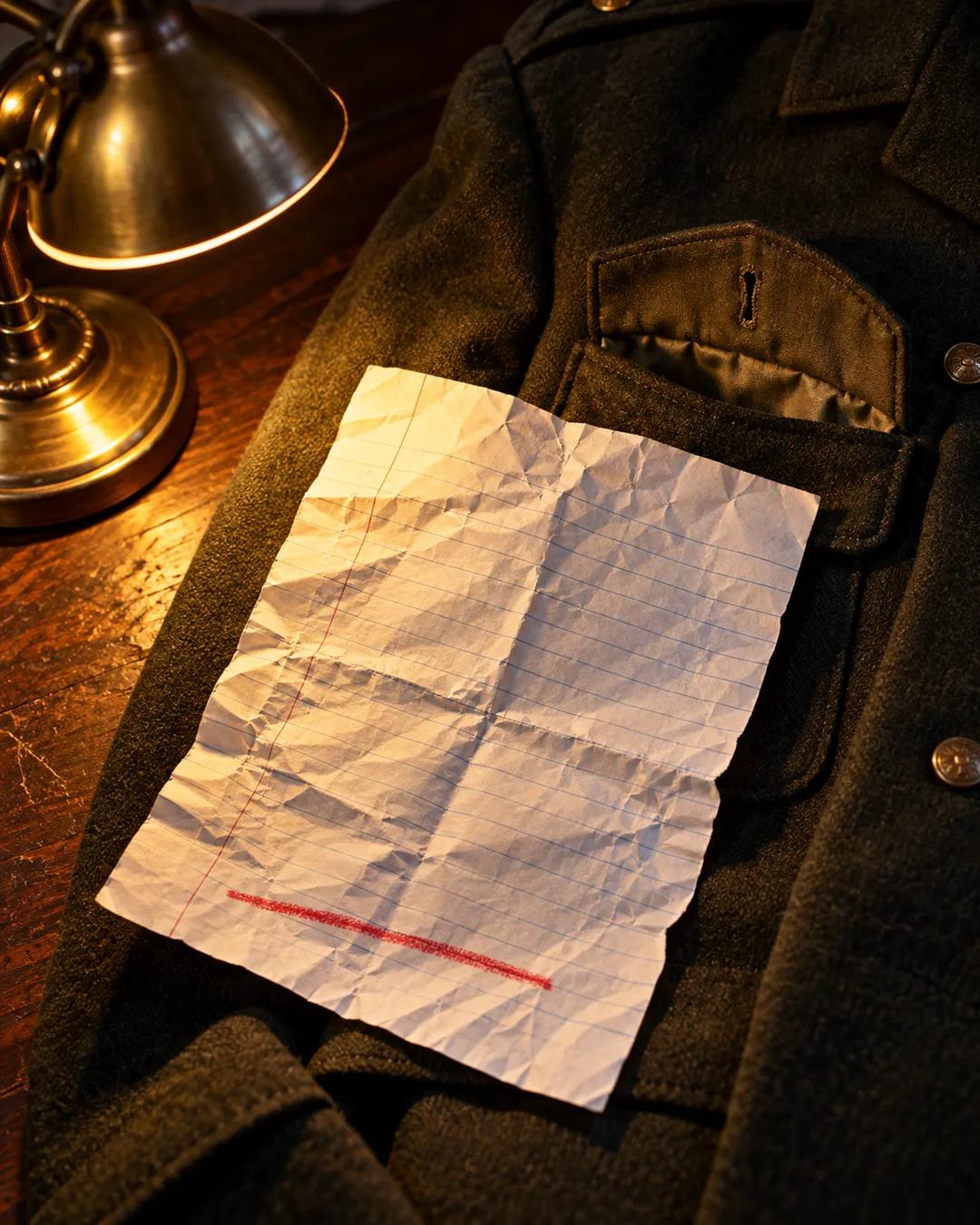
Eisenhower wrote his own failure note

The invasion of Normandy succeeded, but it carried enormous risks. Eisenhower wrote the statement on June 5th, right before the landings, and kept it crumpled up in his pocket. A month later an aide asked about it and asked if he could have it, and Eisenhower handed it over. He had mistakenly dated it July 5th.
It was very short. It said the landings in the Cherbourg area had failed to gain a satisfactory foothold and that he had withdrawn the troops. It said the decision to attack at this time and place was based on the best information available, and that the troops, the air, and the Navy had done all that bravery and devotion to duty could do. It ended by placing any blame or fault for the attempt on him alone.
Why was the Normandy landing so risky?
Troops had to cross the English Channel and come ashore under fire against German coastal defenses known as the Atlantic Wall. Airborne units were dropped in darkness behind the beaches, and many landed far from their targets. Planners also depended on a narrow window of good tides, moonlight, and weather. On the first day, roughly 156,000 Allied troops crossed the Channel by sea and air.
How did weather decide the D-Day date?
The invasion was first set for June 5, 1944, but a storm in the Channel led Eisenhower to delay it by a day. Group Captain James Stagg, the chief meteorologist, forecast a brief break in the weather. Eisenhower gave the final go-ahead in the early hours of June 5. German forecasters had predicted continued bad weather, and some senior German commanders were away from their posts on June 6.
How did the Allies hide the real target?
Allied planners ran Operation Fortitude to convince Germany the main invasion would hit the Pas de Calais, the shortest crossing from England. They invented a phantom force, the First US Army Group, supposedly commanded by General George Patton, complete with inflatable tanks and fake radio traffic. Double agents fed German intelligence supporting details. Even after the landings began, Hitler held the Fifteenth Army near Calais for weeks.
More from Joys of Compounding