Korva is a scroll of the internet’s best ideas.
Six months too late for Carl June
The favor meeting
A friend from the Navy told John Crowley, then the CEO of Amicus, that he had to meet a doctor at the University of Pennsylvania. Crowley rolled his eyes, since he had met plenty of people who claimed to have the cure for cancer, and went down as a favor. The researcher, a Naval Academy graduate, blew him away with his results, including in patients.
During a break in the meeting, Crowley called his mentor Sol Barer, the founder of Celgene, and described a researcher who seemed to be onto something. Barer asked who it was. When Crowley said Carl June, Barer answered that Carl was going to cure cancer.
The missed chance
June's work on cell-based therapies out of his lab at Penn has transformed cancer treatment. Crowley wishes he had met him about six months earlier, because Amicus would have acquired the technologies and become a cancer company. For every success like that, he has had a hundred meetings with brilliant, well-intentioned doctors whose work just didn't work.
How do cell-based cancer therapies work?
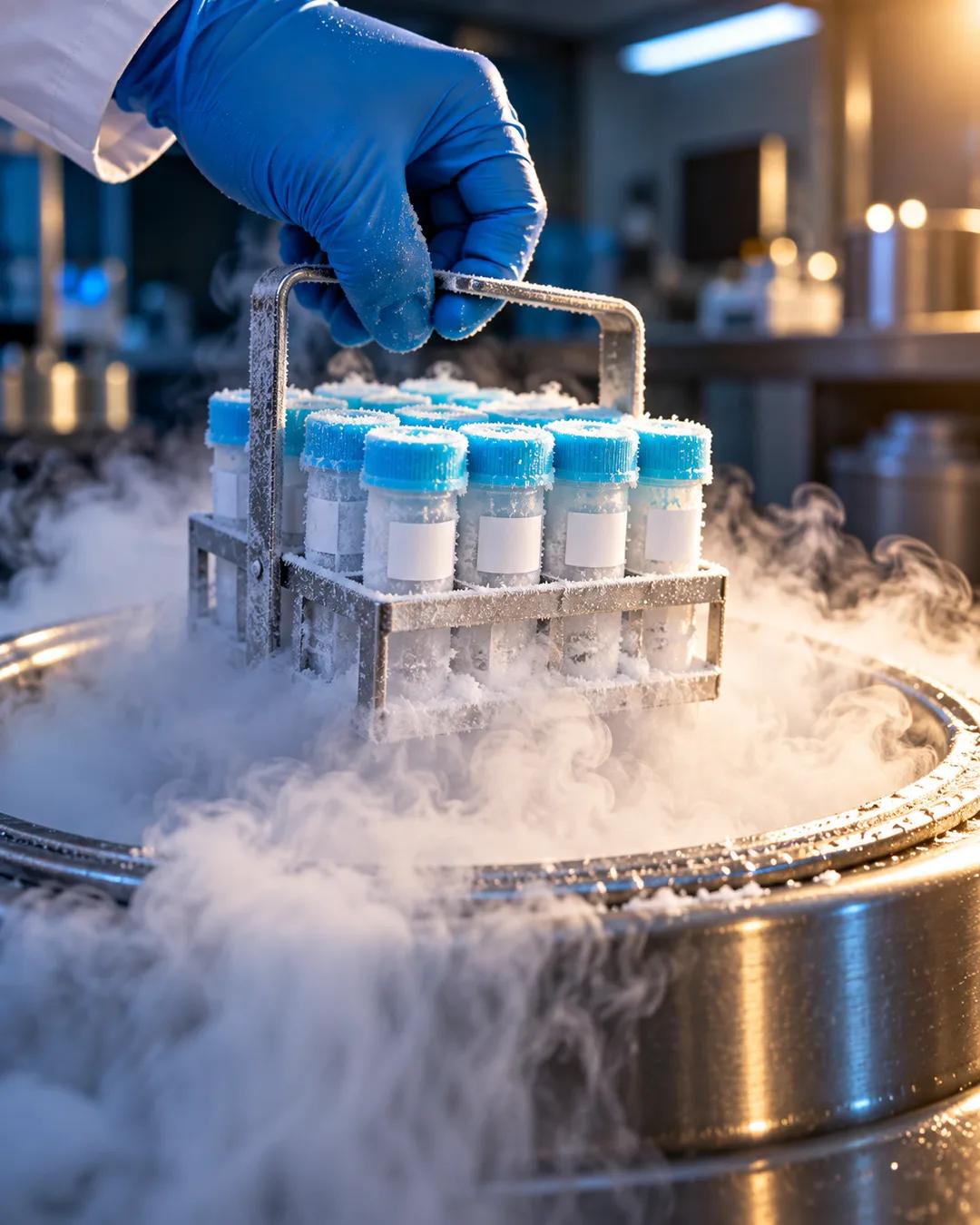
In CAR-T therapy, doctors collect a patient's T cells, a type of immune cell, from the blood and add a gene for a receptor that recognizes a protein on cancer cells, such as CD19 on certain leukemias. The engineered cells are multiplied in the lab and infused back into the patient. A 2011 report in the New England Journal of Medicine from Carl June's group at Penn described patients with chronic lymphocytic leukemia treated this way. The cells can persist in the body for years.
How did Penn's therapy become an approved drug?
Penn licensed its CAR-T technology to Novartis in 2012. The US Food and Drug Administration approved the resulting therapy, tisagenlecleucel, in August 2017 for children and young adults with a form of acute lymphoblastic leukemia. The agency described it as the first gene therapy available in the United States.
Why do most cancer drugs fail in trials?
Tumors vary from patient to patient, and a drug that shrinks cancer in lab models often does little in people. A 2019 analysis in the journal Biostatistics found that only about 3.4 percent of cancer drug development programs ended in approval. That rate was far lower than for most other disease areas the analysis covered.
More from Joys of Compounding