Korva is a scroll of the internet’s best ideas.

El Niño is at record strength
Strongest on record
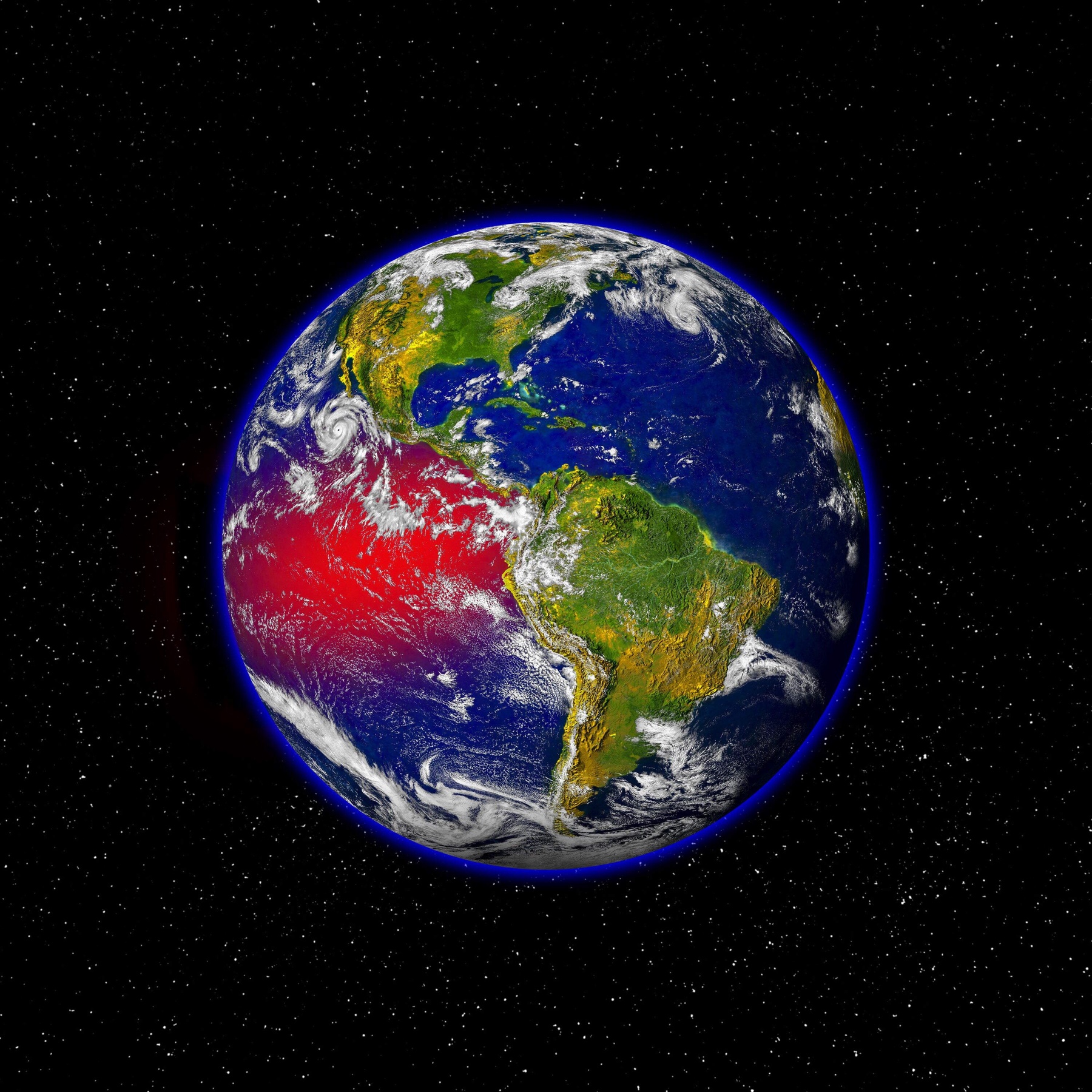
Measured against every earlier event with good data, this El Niño is the strongest at this stage. That data comes from satellite ocean temperature records that start in the early 1980s. El Niños normally reach their peak between November and January, and this one has not reached it yet.
The World Meteorological Organization has described the event as "literally off the charts," and some scientists have nicknamed it a super or Godzilla El Niño. Climate scientist Julia Cole of the University of Michigan expects a record-breaking El Niño in the coming year.
Effects so far
Effects are already showing. Tropical storms have struck Hawaii. Extreme drought in Indonesia has fueled wildfires and terrible air quality across the region, and a quarter million acres or more have burned.
The event is also expected to supercharge global temperatures, with records possibly in 2026 and almost certainly in 2027.
Why does El Niño peak in winter?
El Niño events lock onto the seasonal cycle. They usually begin to develop in northern spring and summer, grow through autumn, and peak between November and January. The tropical Pacific's own seasonal rhythm of winds and water temperature helps set that timing. After the peak, an event typically fades over the following months.
How do satellites measure ocean temperature?
Satellite sensors read the infrared and microwave radiation that the sea surface gives off, and warmer water gives off more. Microwave sensors can see through clouds, which infrared sensors cannot. Scientists check satellite readings against ships and buoys, including the moored buoy array strung across the tropical Pacific. That buoy network was built after the strong 1982 to 1983 El Niño.
Why does El Niño bring drought to Indonesia?
In a normal year, the warmest Pacific water pools in the west near Indonesia, and the air above it rises and drops heavy rain. In an El Niño that warm pool slides east, and the rainfall follows it. Indonesia is left dry, and dry forest and peat burn easily. The fires of the 1997 to 1998 El Niño burned millions of hectares in Indonesia.
Why does El Niño lift global temperatures?
During an El Niño, the Pacific releases a large store of heat into the air. The global average temperature usually peaks a few months after the El Niño itself does. NASA and NOAA both ranked 2016 as the warmest year on record at the time, and it followed one of the strongest El Niños of the satellite era.
More from Short Wave