Korva is a scroll of the internet’s best ideas.
Strong El Niños leave less recovery time
Fewer quiet years
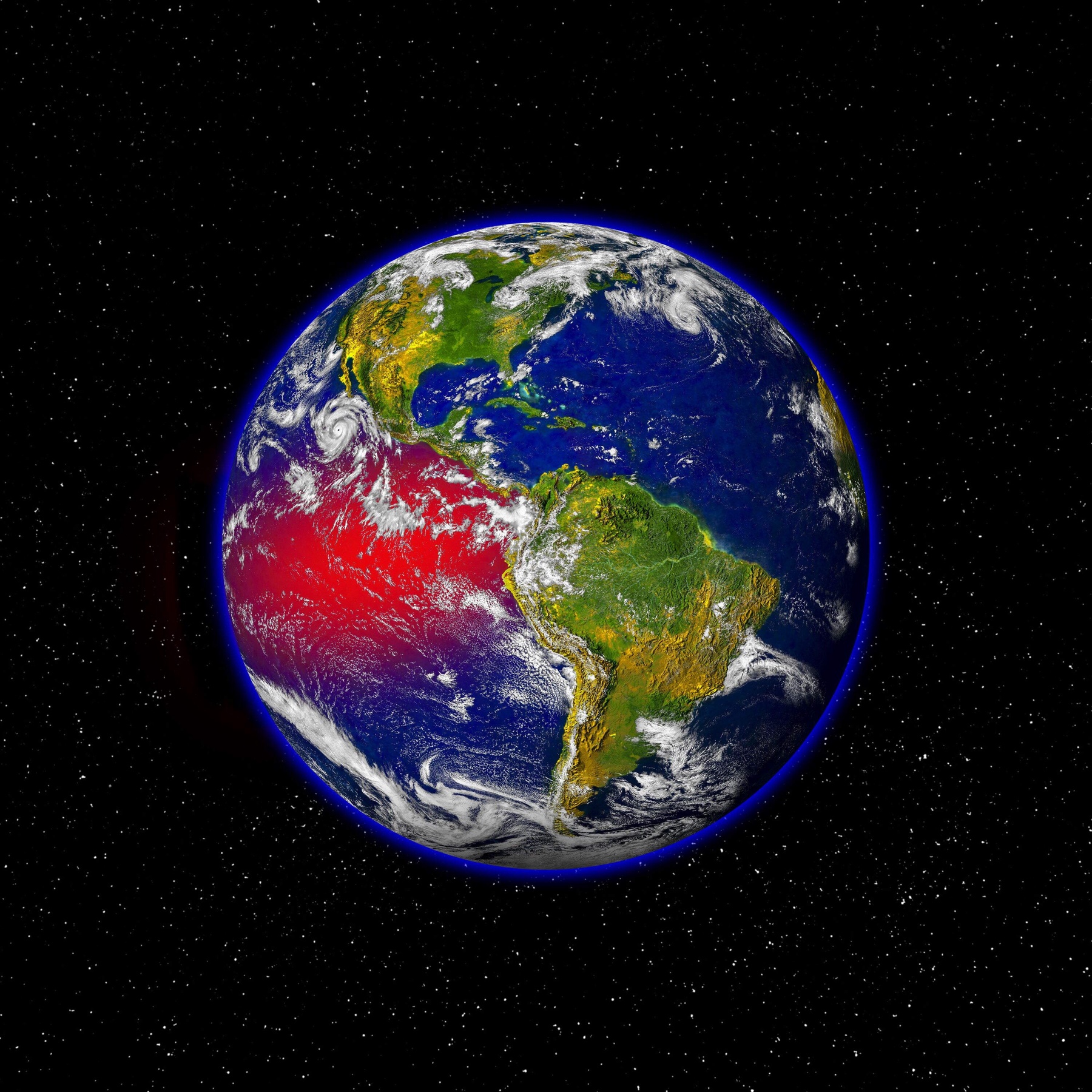
Normally a couple of moderate or weak El Niños come between the strong ones. Those years give an ecosystem time to recover and give a community or a country time to recover economically. As El Niños intensify with global warming, what counts as a strong event becomes more frequent, and the hardships that come with it arrive at a faster pace.
Coral reefs
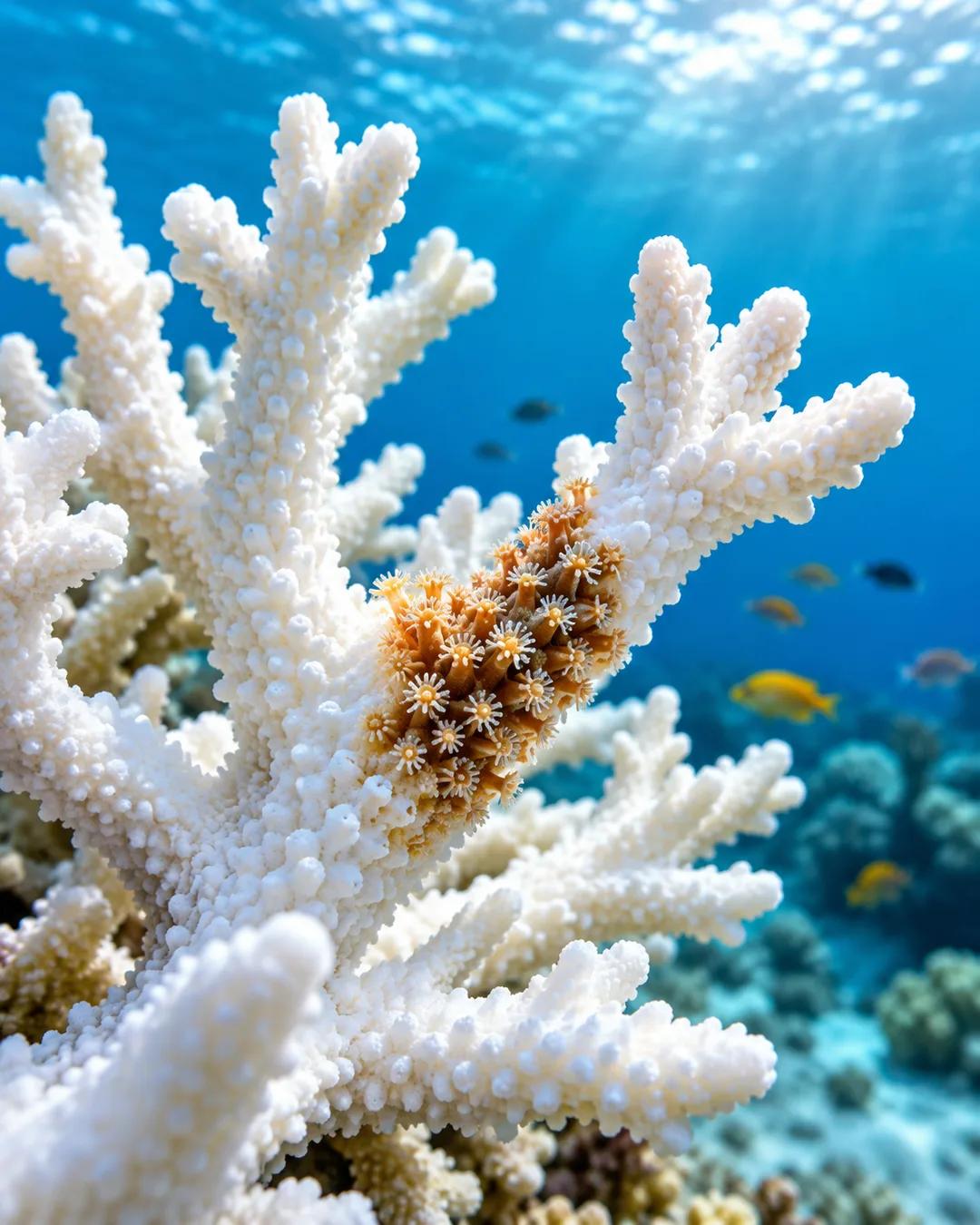
Coral reefs show how this works. The biggest global coral bleaching events happen in strong El Niño years. A reef hit by a major bleaching event every 30 years may have the chance to recover, while a reef hit every two to five years has a much harder time coming back.
Stronger impacts
Stronger El Niños lead to stronger impacts: more intense floods, droughts, and temperature changes. They arrive on top of a warming world, and this El Niño is expected to push global temperatures to records, possibly in 2026 and almost certainly in 2027.
Why does warm water bleach coral?
Reef-building corals live with tiny algae inside their tissue, and those algae supply most of the coral's energy. In water that stays too warm, the algae start to make compounds that harm the coral, and the coral expels them. Without the algae, the coral turns white and loses its main food source. Bleached coral can survive if the water cools in time, but it starves if the heat lasts.
How long does a reef take to recover?
Recovery depends on which corals were lost. Research by the Australian Institute of Marine Science on the Great Barrier Reef has found that fast-growing branching corals can regrow in roughly a decade when left undisturbed. Slower-growing massive corals take far longer. A reef that bleaches again before the fast growers mature never reaches that point.
Have global bleaching events happened before?
NOAA's Coral Reef Watch has recorded global bleaching events in 1998, 2010, and 2014 to 2017. The 1998 event came during one of the strongest El Niños of the century. Before the 1980s, mass bleaching across whole regions was rarely reported in scientific literature.
How does El Niño hit a country's economy?
Peru's anchovy fishery is a classic case. Warm water cuts the nutrient-rich upwelling that feeds anchovies, and according to FAO data, Peru's catch fell by more than half between 1971 and 1973 during a strong El Niño. The country had been the world's largest fishing nation by weight, and the fish are a main ingredient in fishmeal and fish oil.
More from Short Wave