Korva is a scroll of the internet’s best ideas.
El Niño swings 36% wider
Why a longer record
Satellite records of Pacific Ocean temperature reach back only to the early 1980s, which is too short to show whether the recent run of strong El Niños is unusual or simply what El Niño does. Climate scientist Julia Cole's team at the University of Michigan went looking for a longer record in the Galapagos Islands, where the biggest El Niño events hit ocean temperatures hardest.
Reading the corals
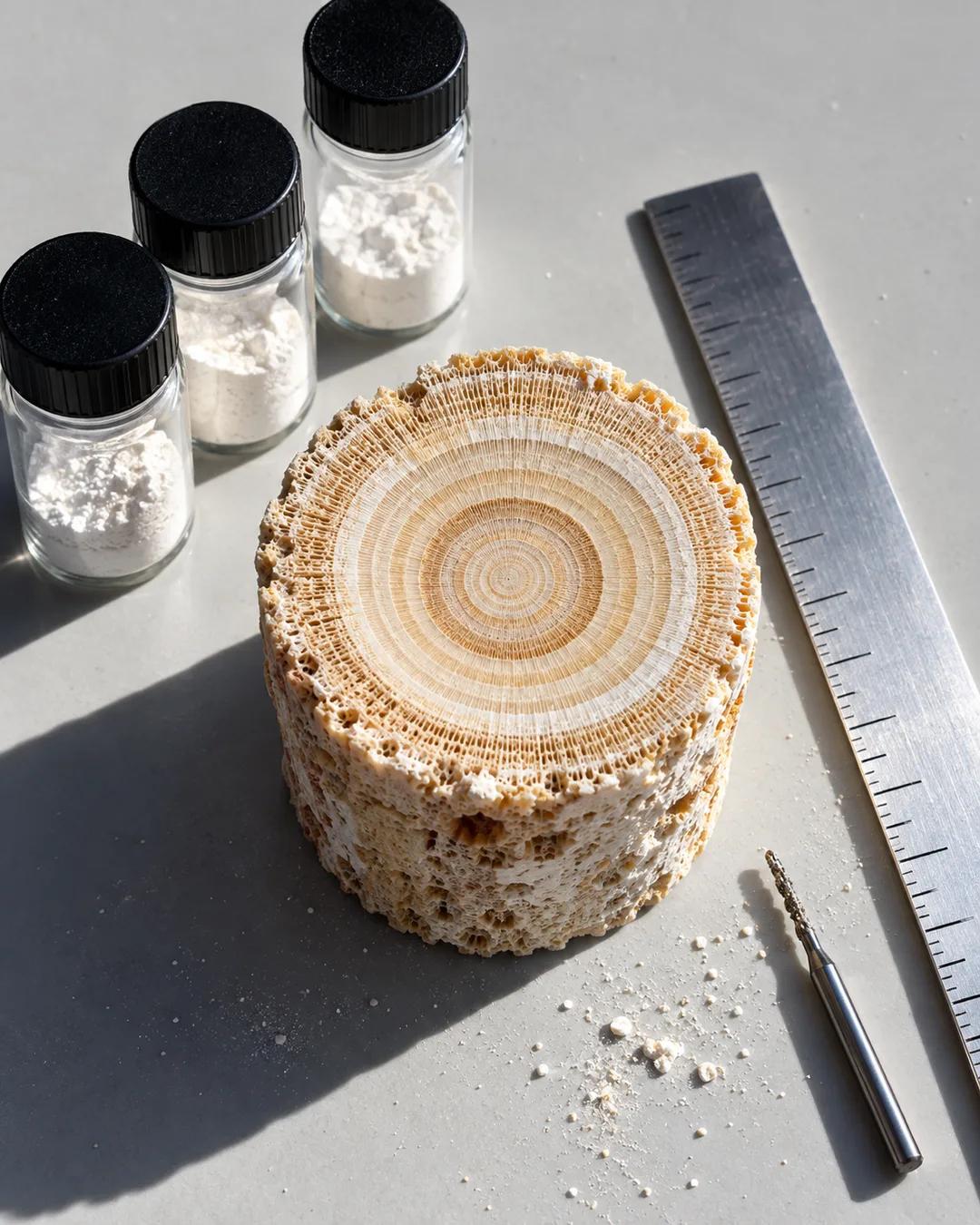
The team dives with scuba gear and takes cores from living, mound-shaped corals. Back in the lab, each core is sampled millimeter by millimeter into powders, and two measurements of the chemistry in those powders reveal the temperature the coral grew in. Dead corals that large waves, possibly tsunamis, tossed onto beaches push the record further back once radiometric dating gives their ages. Each one yields monthly temperatures, and the warm years mark El Niño.
What the record shows
The range from the warmest to the coldest temperatures was 36% higher in the last 40 to 50 years than in the pre-industrial period. The jump came from warm events getting more intense, which means El Niños are getting stronger. As more cores came in, the team plotted them against global temperature, and the curve looked like a hockey stick that tracked the rise in warming. The team had expected to find at least a few stretches in the past when El Niño and La Niña were as strong as they are today, and found none.
How does coral record ocean temperature?
Corals build their skeletons from calcium carbonate, and the chemistry of that skeleton shifts with the temperature of the water around it. Scientists commonly read the ratio of strontium to calcium and the ratio of oxygen isotopes, and both change in a predictable way as the water warms or cools. Massive corals add a new layer as they grow, so the skeleton stacks up in order like tree rings, with the newest growth at the surface.
How does radiometric dating age dead corals?
Living corals take up uranium from seawater but almost no thorium. Once the coral dies, the uranium slowly decays into thorium at a known rate. Measuring the ratio of thorium to uranium in the skeleton gives the date the coral stopped growing. This uranium-thorium method works for corals hundreds of thousands of years old.
Why do Galapagos corals feel El Niño so strongly?
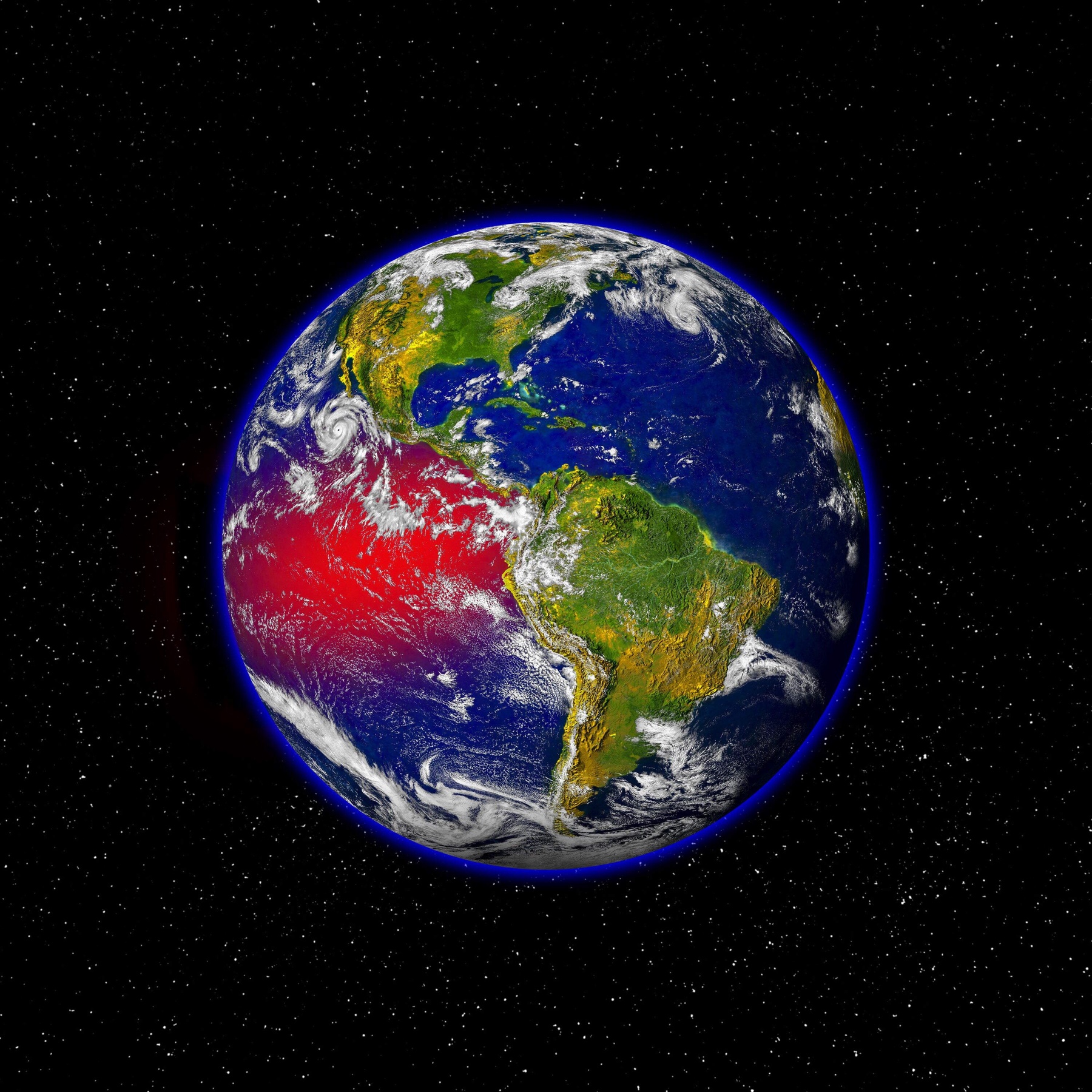
The Galapagos sit in the eastern equatorial Pacific, where cool water normally wells up from below and keeps the surface chilly. During an El Niño the trade winds weaken, warm water spreads east across the ocean, and that cool upwelling is overlaid by a warm layer. Sea surface temperatures near the islands can end up several degrees Celsius above normal in the strongest events.
Why can't a few decades of data settle it?
El Niño is irregular, arriving every two to seven years and varying in strength from one event to the next. A satellite record that begins in the early 1980s holds only a handful of strong events. The Pacific also drifts through slower swings that last a decade or more, which can make a short stretch of record look unusual when it is not. A record covering centuries holds many more events to compare.
More from Short Wave