Korva is a scroll of the internet’s best ideas.
Embarrassed fraternity brothers bonded

The nickname game
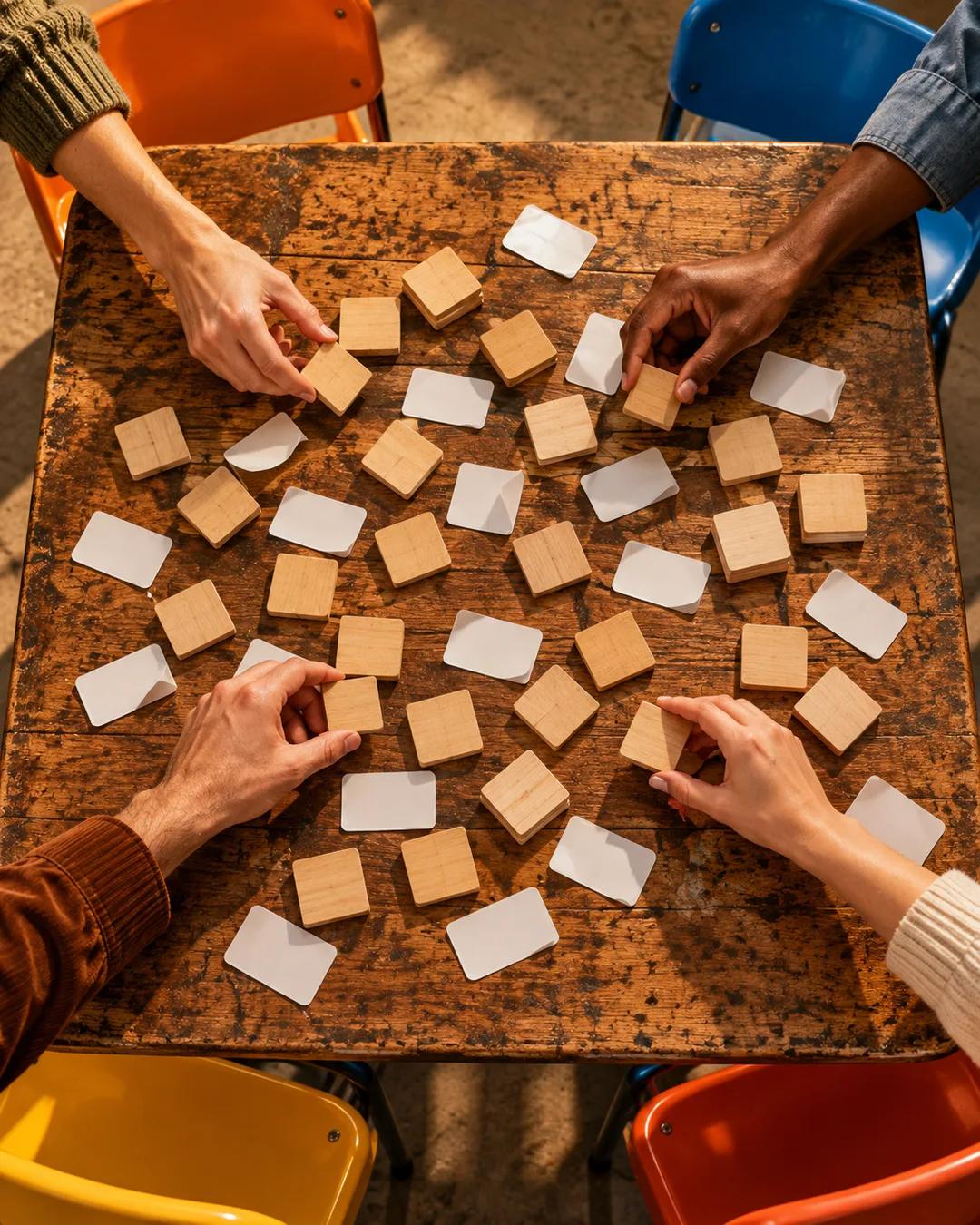
Each session brought in four men from one fraternity house. The researchers gave each man two initials, and the group made up nicknames from the letters. The nicknames got profane.
Then the teasing started. The brothers accused each other of things nobody should do in the group, like passing out drunk and naked in the streets of Wisconsin. The accused got embarrassed and answered that they would not do it.
Why embarrassment helped
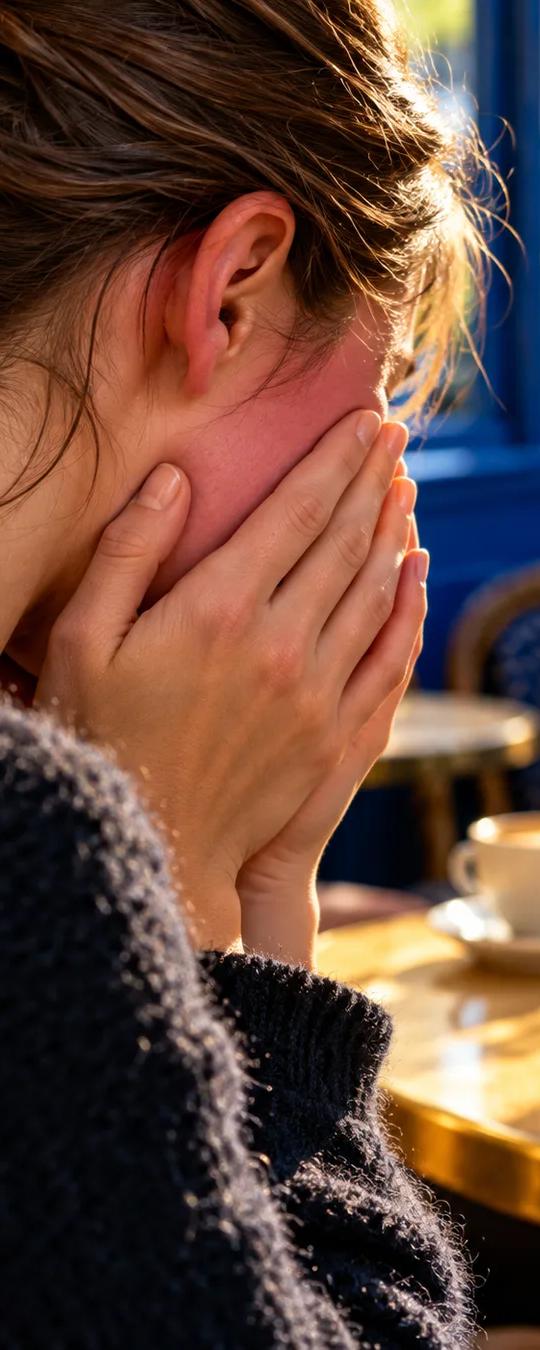
The more embarrassed the men got, the better they liked each other, because the blush showed they cared about what they were being accused of. The best teasers were playful and funny and made people aware of the norms that mattered to the group without humiliating anyone, and those men were the most popular. The finding has been replicated.
Teasing of the wrong kind turned up in the same labs and looked different. It excluded people or humiliated them, which the researchers classed as bullying and harassment.
Why does embarrassment make people like you more?
Dacher Keltner and Brenda Buswell reviewed the research in 1997 and described embarrassment as an appeasement display. It follows a slip against a social rule and signals that the person knows the rule and regrets breaking it. Animals show similar behavior: many primate species have submissive displays that calm a group after a conflict. The blush is the most visible human version, because the vessels in the cheeks widen involuntarily.
How do researchers tell teasing from bullying?
A 2001 review of teasing research in Psychological Bulletin by Keltner and colleagues described teasing as a mix of aggression and play. The difference lies in play cues such as an exaggerated tone, laughter, and a playful face, which tell the target that the jab is not meant seriously. Teasing that stays reciprocal, where the target can tease back, tends to bond people. Teasing that targets a person's identity or leaves the target excluded is classed with harassment.
Why do groups give members nicknames?
Nicknames mark membership because outsiders do not know them and cannot use them. Anthropologists have documented nicknaming in military units, sports teams, and traditional communities around the world. In many of those settings the name comes from a shared event or a physical quirk. The name is a record of group history that only members carry.
More from Andrew Huberman