Korva is a scroll of the internet’s best ideas.
EpiPen maker hired most lobbyists

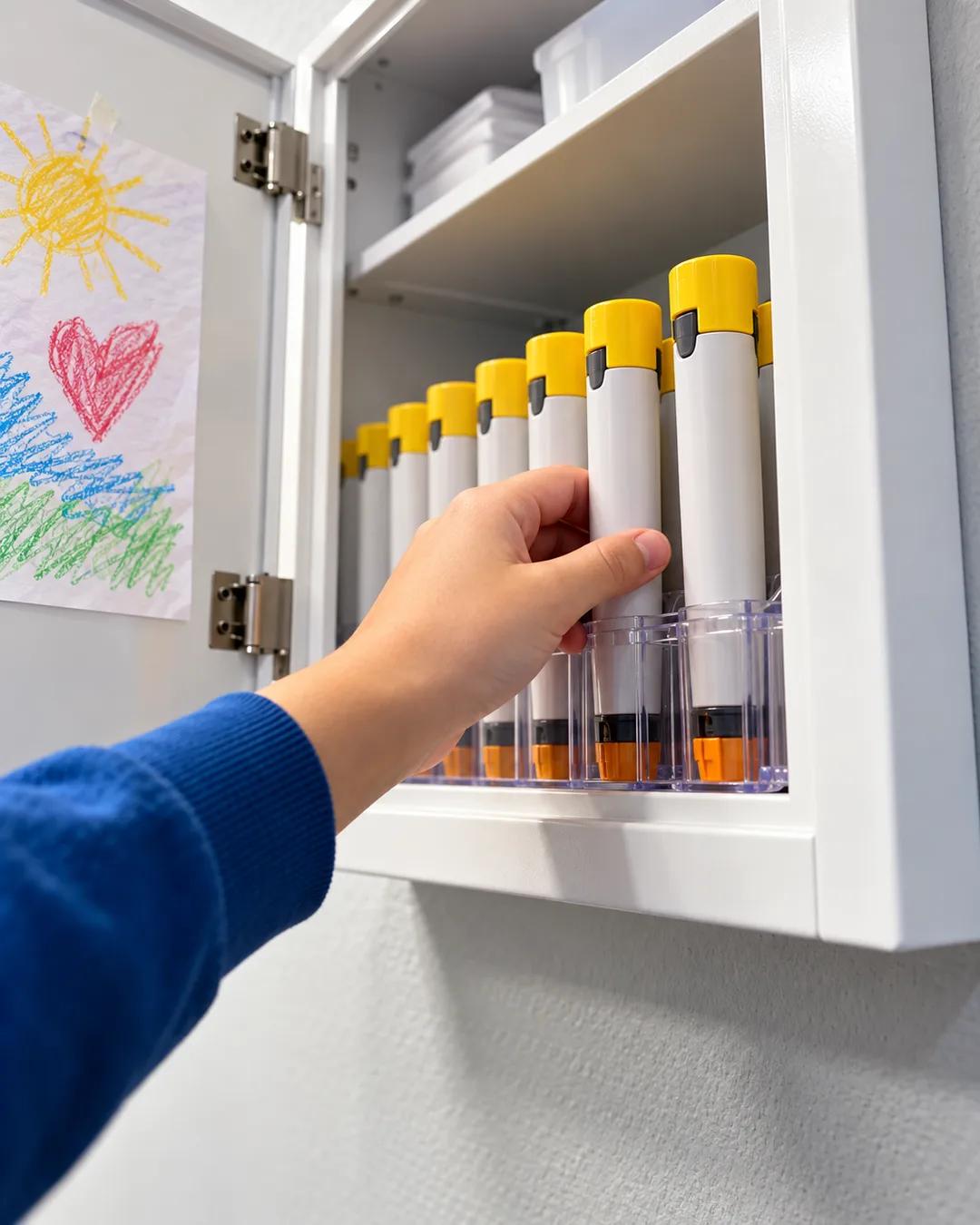
Mylan Pharmaceuticals marketed the EpiPen aggressively across many channels. Its lobbying led the FDA to relabel the drug, which made more people eligible to take it. Mylan also lobbied state legislators to get more EpiPens into schools, and it partnered with Disney to produce children's books about allergy sufferers.
EpiPen and adrenaline prescriptions rose three to four times between the 1990s and around 2018 and 2019, and much of that demand was driven by the supplier. The global market for epinephrine is about $2 billion a year, with 60% of it sold in the US.
The money around allergy runs well beyond one drug. One recent study put the cost of treating hay fever in Americans at over $4 billion a year, with more than a billion of it going to medication. Global sales of allergy tests and treatments come to around $40 billion a year.
How did the EpiPen price climb so high?
Mylan acquired the EpiPen in 2007 and raised its list price repeatedly over the following decade. A two-pack that cost about $100 at the start sold for over $600 by 2016. The increase prompted a congressional hearing and a settlement with the US Department of Justice over Medicaid rebates. Few rival auto-injectors were on the market, which limited price competition.
Why did schools stock epinephrine auto-injectors?
State laws passed in the 2010s let schools hold unassigned epinephrine for any student who has a reaction. Before that, many schools could use only injectors prescribed to a specific child. Almost every state now has such a law or guideline. Food allergy anaphylaxis in children is the main reason these laws exist.
Why does the US dominate epinephrine sales?
The United States has far higher rates of prescribing auto-injectors than most countries, and prescriptions often come in packs of two. Many other countries prescribe them only to patients at demonstrated high risk. Insurance coverage also makes routine refills common in America. As a result, the US accounts for most of the global market by value.
More from Freakonomics Radio Network