Korva is a scroll of the internet’s best ideas.
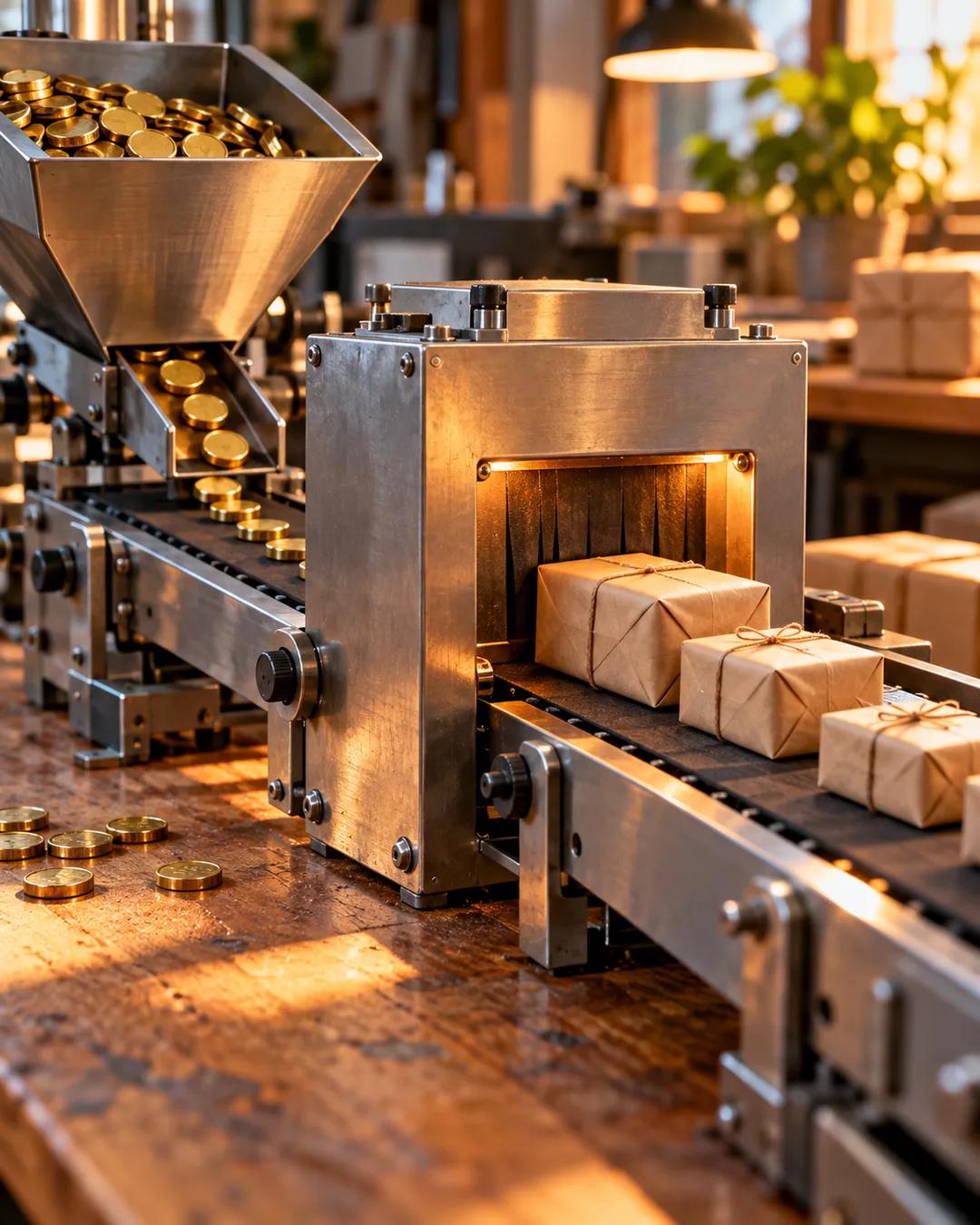
Every company becomes a token factory

What a token is
The word token means something different at Visa, at Google, and at OpenAI, but the thing underneath is the same. Information, money, and knowledge are the raw supply, and a company does something with them and delivers something new. Delivering any service, promise, or product takes three components: identity, value, and the intelligence that goes into it.
Labs and applications
The frontier labs are the first token factories. They take in information from the web, from videos, and from the world, and produce a different set of tokens for others to consume, which makes them the raw material providers for the next layer. Application companies like Eleven Labs, Decagon, and Sierra are starting to build factories there, each creating a service that did not exist before.
Money and AI
Money has barely entered. Four or five years into the AI era, token factories have not touched it, even though money is one of the most fungible things there is and always moves, like water or gravity. The expectation is that blockchains and AI meet there, with intelligent smart contracts acting on a person's behalf.
How do language models count tokens?
Language models break text into pieces called tokens using a method such as byte pair encoding, which merges the most frequent character pairs in a training set into single units. OpenAI's documentation estimates that a token averages about four characters of English text, or roughly three quarters of a word. Models are priced and limited by the number of tokens they read and write.
How did blockchains turn money into tokens?
Bitcoin, launched in 2009, was the first widely used system for moving value as digital tokens on a blockchain. Ethereum added smart contracts in 2015, which are programs stored on the blockchain that run automatically when their conditions are met. A 2015 proposal by developer Fabian Vogelsteller, known as ERC-20, set a common standard that let thousands of different tokens work with the same wallets and exchanges.
How does Visa's kind of token work?
Payment tokenization swaps a card's number for a random substitute that works only with a specific device or merchant, so a stolen substitute is useless elsewhere. EMVCo, the body owned by the major card networks, published a tokenization specification in 2014. Apple Pay launched later that year and was one of the first large deployments.
More from David Senra