Korva is a scroll of the internet’s best ideas.
Every public statement needs a purpose
Talking in the Courtroom
One school holds that lawyers do their talking in the courtroom, the approach of Edward Bennett Williams, who founded Williams & Connolly, and later of Brendan Sullivan. That approach predates social media and the 24-7 news cycle, and it has an integrity to it. A litigator on a high-profile case who ignores media and social media is not zealously representing the client.
Media Without Playing to It
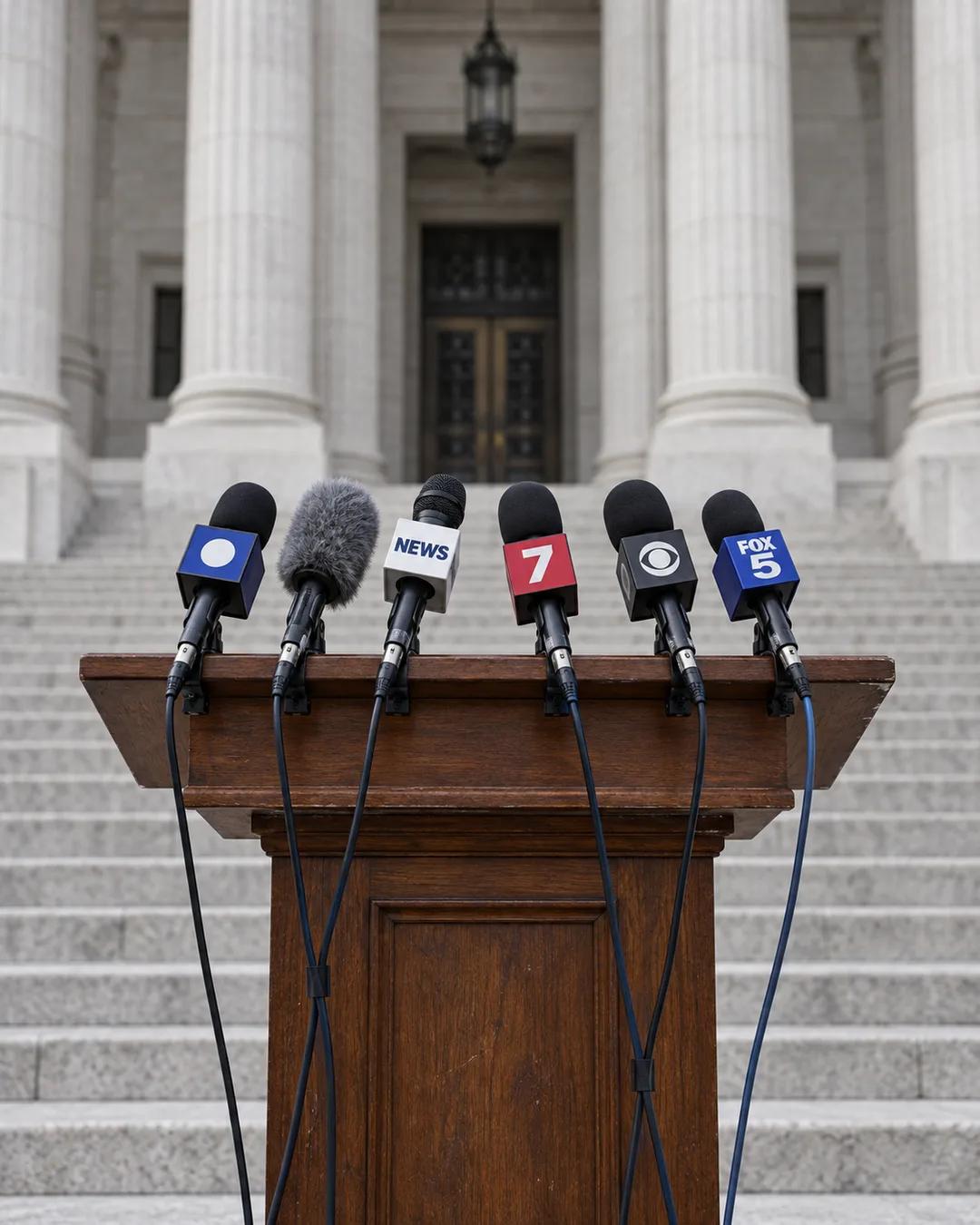
The U.S. Supreme Court endorsed lawyers' ability to communicate with the press, without crossing ethical boundaries, as far back as 1991. Awareness of the media does not mean playing to it. A lawyer who elevates his own interest above the client's is acting improperly, it backfires, and it fails to serve the client. Judges read newspapers and use social media too, and some lawyers have been reprimanded for out-of-court statements.
Fitting the Case
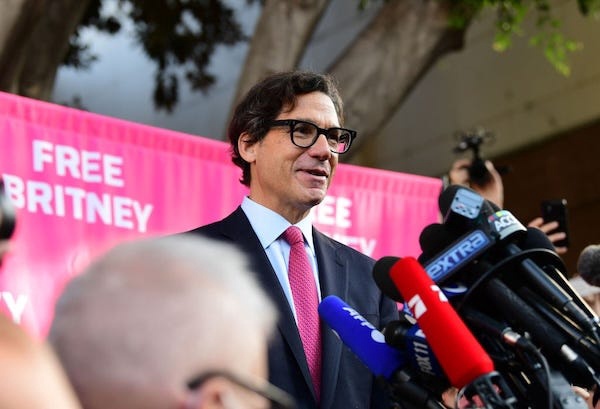
How, when, and where to communicate depends on the client and the case. The Britney Spears case made ignoring the media impossible, because the media was a component of the case, and publicists, public relations firms, and crisis management firms can be part of the picture. Sometimes the Edward Bennett Williams way is right, and the lawyer simply says nothing.
What did the Supreme Court say about lawyers and press in 1991?
In Gentile v. State Bar of Nevada, decided in 1991, the Court reviewed a lawyer disciplined for a press conference held the day after his client's indictment. The justices split in their reasoning, but held that Nevada's version of the rule was too vague as applied to him. A majority accepted that states may limit lawyer speech that has a substantial likelihood of materially prejudicing a proceeding. Justice Kennedy's opinion recognized that a lawyer may need to speak publicly to counter publicity against a client.
How did Edward Bennett Williams earn his reputation?
Williams defended some of the most notorious clients of the mid-twentieth century, including Senator Joseph McCarthy, Jimmy Hoffa, and Frank Costello. He wrote a 1962 book called One Man's Freedom about the defense lawyer's role. His firm, Williams & Connolly, became known for discretion with the press. In 1979 he bought the Baltimore Orioles, which he owned until his death in 1988.
How do courts limit what lawyers say publicly?
Rule 3.6 of the American Bar Association's Model Rules of Professional Conduct bars lawyers from statements they know will have a substantial likelihood of materially prejudicing a trial. The rule lists subjects lawyers may still discuss, such as the claim or defense, public records, and the stage of a case. It also allows a lawyer to respond to publicity that a client did not initiate when needed to protect that client. The ABA revised the rule in 1994, after the Gentile decision.
More from Original Jurisdiction