Korva is a scroll of the internet’s best ideas.
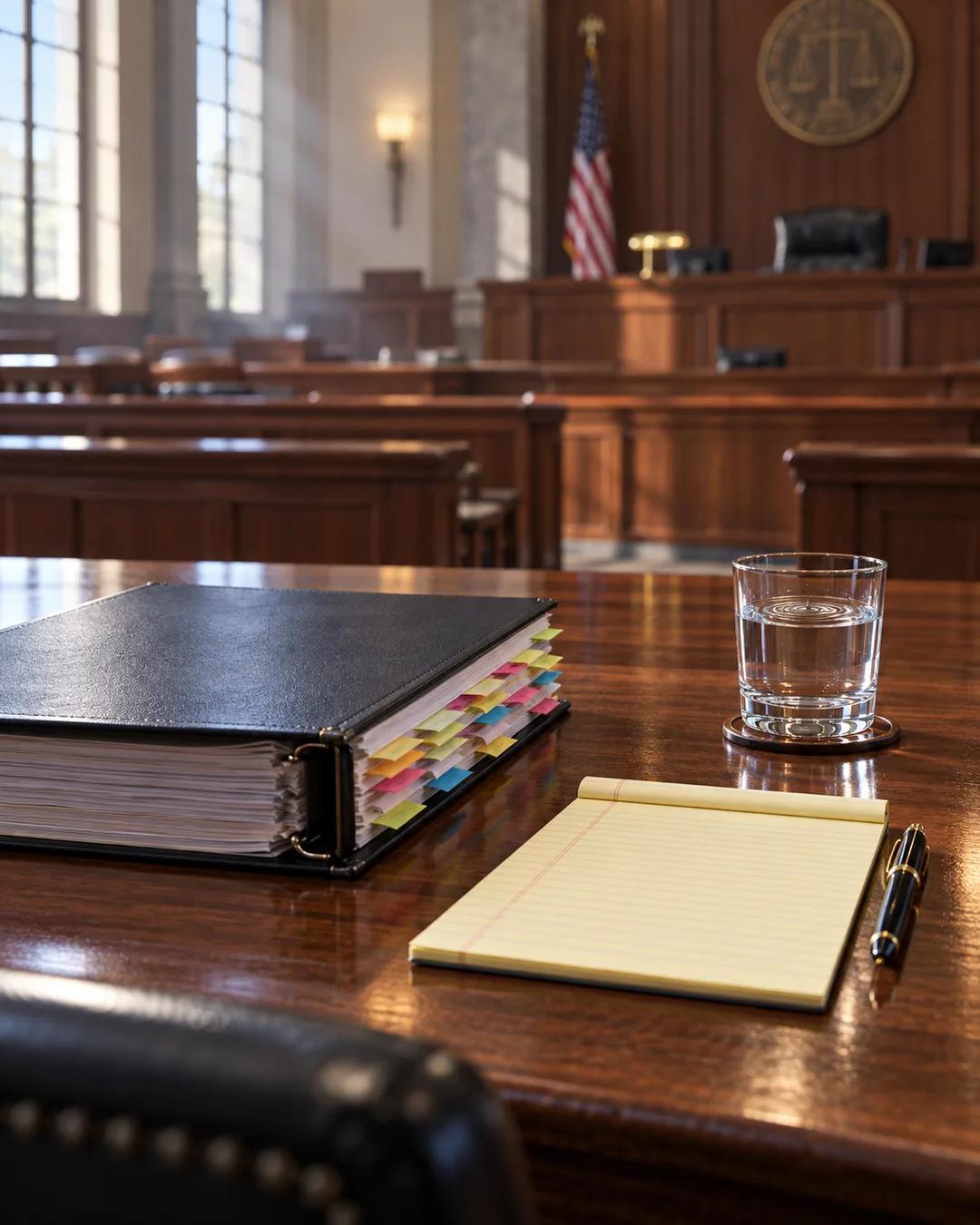
Preparation overcomes anxiety
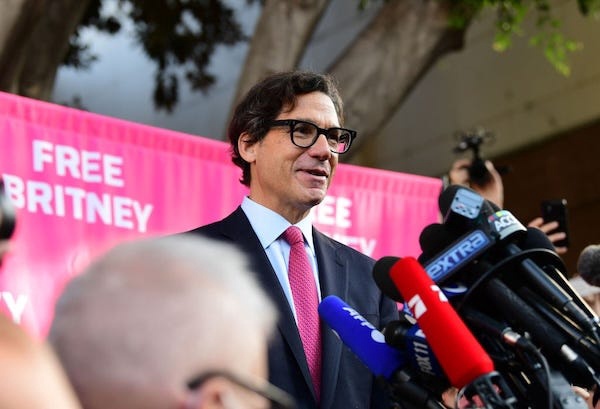
Butterflies come before going to court and even right before filing a brief, in every case. Michael Jordan, probably the greatest athlete in the history of sport, would still have them before game seven of the NBA playoffs. Feeling nothing at all is a sign that something is wrong and that it may be time to take a step back.
Nervousness is what preparation clears away. Before the first hearing in the Britney Spears case, her lawyer was up until 2 in the morning many nights reading cases like Gideon v. Wainwright on the right to counsel, because the period was condensed. That work builds the confidence to put a client in the best position to win, and it has no substitute.
In the middle of a high-profile case, the aim is to be in the courtroom and block out everything except the law, the facts, the courtroom, and the client.
Why do nerves help performance up to a point?
A 1908 experiment by psychologists Robert Yerkes and John Dodson on mice found that learning improved as the stimulus grew stronger, but only up to a point, after which it declined. That pattern, now called the Yerkes-Dodson law, is usually drawn as an upside-down U linking arousal and performance. The best level of arousal depends on the task, with simple tasks tolerating more than complex ones. Researchers still debate how well the original findings extend to people.
How did a handwritten petition create a right to counsel?
Clarence Earl Gideon, a Florida prisoner convicted of breaking into a poolroom, wrote to the Supreme Court in pencil asking for review because he had no lawyer at trial. In 1963, the Court ruled unanimously in Gideon v. Wainwright that states must provide a lawyer to defendants who cannot afford one in felony cases. Abe Fortas, later a justice, was appointed to argue Gideon's side. At his retrial with a lawyer, Gideon was acquitted.
More from Original Jurisdiction