Korva is a scroll of the internet’s best ideas.
Every region has a hundred-year specialist

Michigan's unsexy giants
The pattern is easy to see in Michigan, where Alexander Taubman grew up. The business leaders there ran construction and distribution companies, doing unsexy things worth billions of dollars, with no finance scene and no tech scene in sight. His family's real estate business ran for seventy-five years under his father and uncle.
The school architects
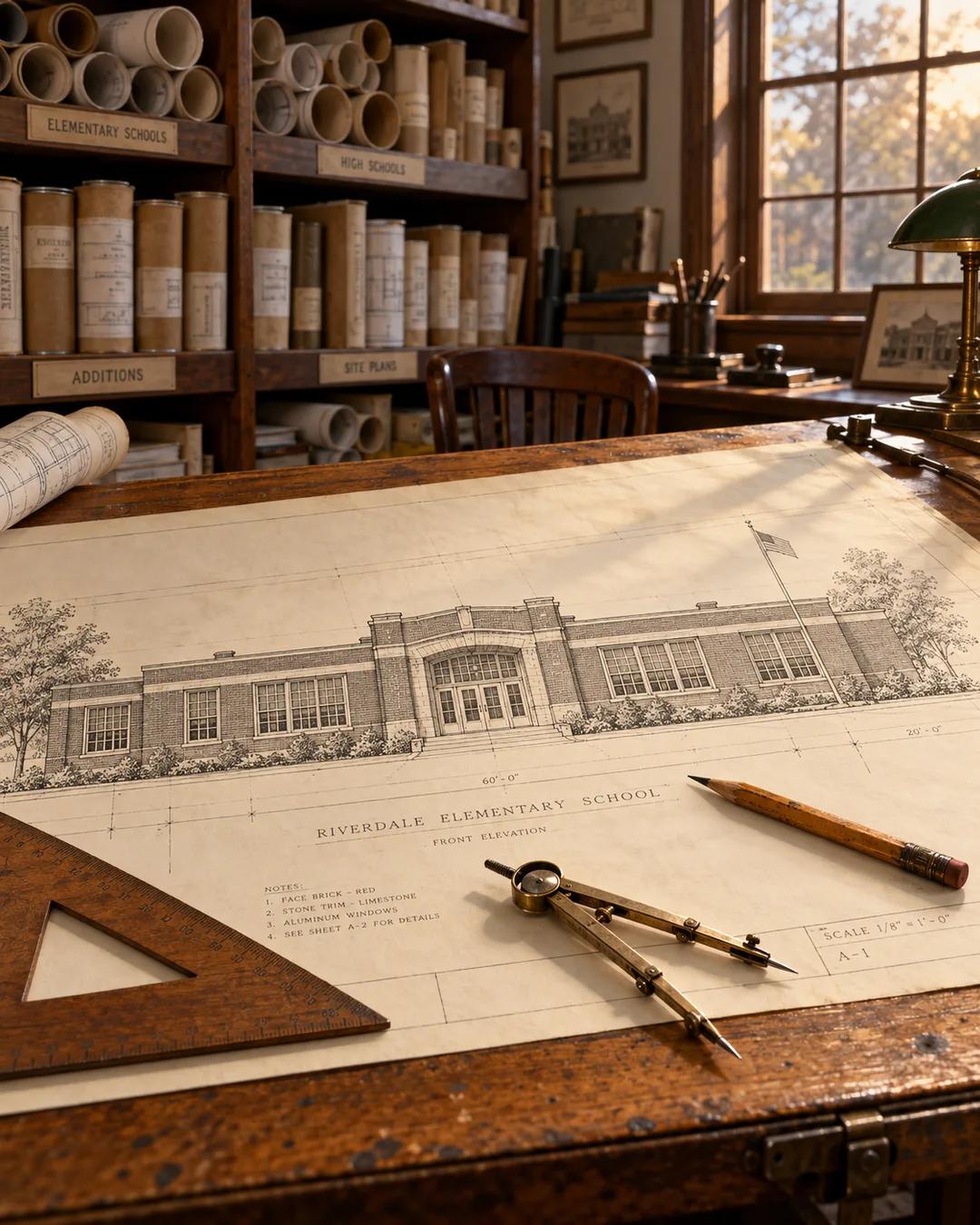
One example is an architecture firm in Minnesota that has built fifty percent of the K through twelve schools in the state over the last seventy years. It is the McDonald's of architecture for schools.
Bringing in engineers
These founders bootstrapped their way into businesses that provide an unparalleled service in their market. His company, Long Lake, aims to bring the best engineers in the world to owners like these so they can put AI into their businesses, make employees and customers happier, and grow faster.
Why do family businesses last so long?
Japan has many companies that are centuries old, and most are small and narrowly focused. Kongo Gumi, a temple-building firm founded in 578, operated independently for about 1,400 years before the Takamatsu Construction Group absorbed it in 2006. Firms like this often hold a single trade for generations and pass it down through heirs or adopted successors. Their long horizon rewards steady craft over rapid growth.
Why do local specialists stay unknown?
Management scholar Hermann Simon coined the term hidden champions in the 1990s for mid-sized firms that lead their world market in a narrow niche. Many are German family companies that sell to other businesses, not to consumers. Such firms rarely advertise to the public because their customers are a small set of buyers who already know them.
How does narrow focus build an advantage?
In 1936, engineer Theodore Wright reported that each time cumulative aircraft production doubled, the labor cost per plane fell by a steady percentage. The finding became known as Wright's law. A firm that builds the same thing for decades climbs that curve further than a generalist. Experience also builds supplier ties, reputation, and know-how that newcomers have to rebuild.
More from David Senra