Korva is a scroll of the internet’s best ideas.
Excellence means taking more pain

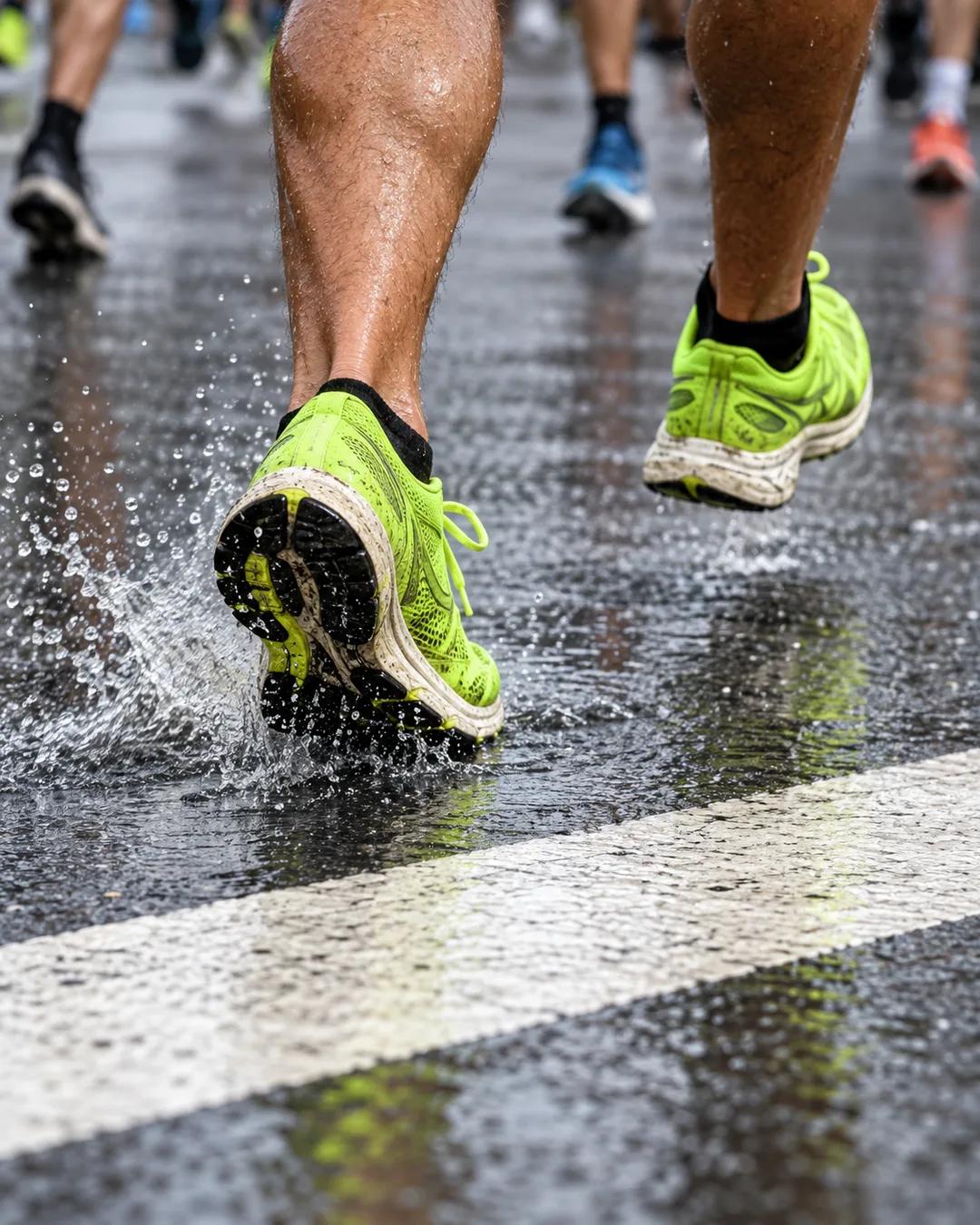
A marathoner at mile 21 is not smiling. If he weren't feeling pain, there would be somebody else who was, and that extra push into the pain decides who wins. Whatever one person pushes through becomes the standard of excellence for everyone else.
Human progress follows the same path: it comes from pushing toward what a human is capable of, and that push goes through pain. If it isn't painful, the effort isn't hard enough.
Easy things can be valuable. Six months on a beach could be. But a person thinking deeply there only contributes to progress by writing the thoughts down, and plenty of others are doing that too. He has to hone the words until they are beautiful and perfect before somebody else has the same thought and acts on it. Now he is in pain.
Why does mile 21 feel so hard?
Muscles store carbohydrate as glycogen, and exercise physiologists estimate the body's stores hold roughly 2,000 calories. That is about what a runner burns in 20 miles. Runners call the point where the supply runs low the wall. Past it, the body relies more heavily on fat, which burns more slowly and cannot sustain the same pace.
Do endurance athletes feel less pain?
A 2012 meta-analysis in the European Journal of Pain, led by Jonas Tesarz, compared athletes with non-athletes. It found that athletes tolerate more pain before stopping a painful test. Their threshold, the point where pain is first noticed, was about the same as that of non-athletes.
Why does improvement require effort?
Psychologist Anders Ericsson and colleagues published a 1993 paper in Psychological Review on deliberate practice. They studied violin students at a Berlin music academy and found that the best players had accumulated the most hours of focused solo practice. The students rated that practice as effortful and not very enjoyable. Ericsson argued that practice at the edge of one's current ability is what drives improvement.
More from David Senra