Korva is a scroll of the internet’s best ideas.
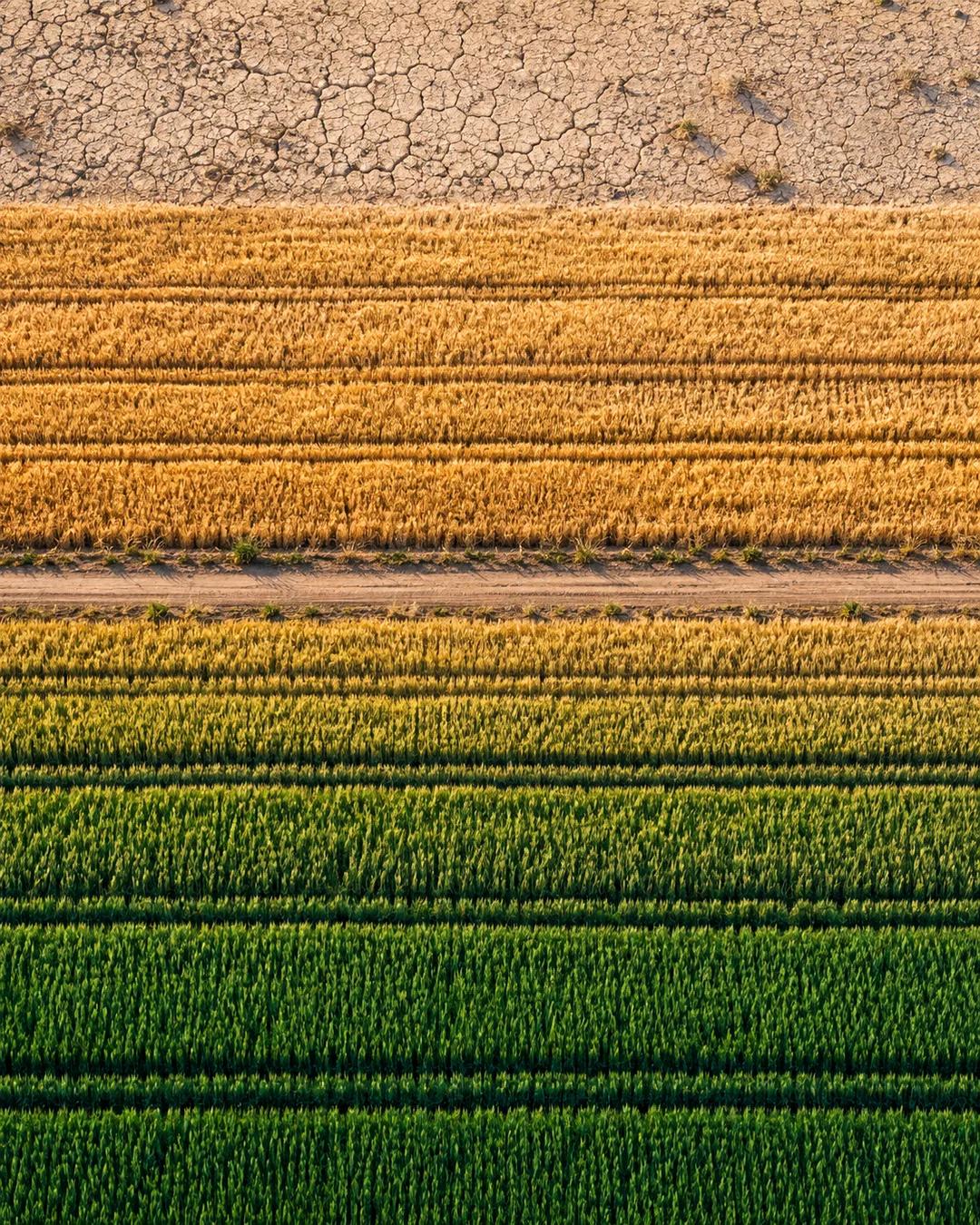
Farming grew up in a stable climate
Past swings
Life has been through far bigger swings, from Snowball Earth to the repeated glacial and interglacial stages of the last ice age. Even so, the shifts into and out of those stages probably weren't as rapid as the warming now underway.
Climate bands for farming
In the stable Holocene, humans utterly transformed the Earth's surface to suit their needs. Agriculture evolved within certain climate bands around the world, and three degrees of warming over this century would shift those bands considerably. Very large parts of the world where agriculture takes place today would no longer support it, and a third of the world's population could be affected in that way.
Warming speeds up
Warming is also accelerating, now sitting at the upper end of the IPCC projections. In 1992, when the climate convention first came into force, the IPCC produced a business-as-usual projection of how the climate would respond to CO2 emissions. Over the 30 years since, there is almost no difference between that projection and what has actually happened.
Why was the Holocene so stable?
The Holocene is an interglacial period, set by slow, regular shifts in Earth's orbit that govern the ice ages. Greenland ice cores show that temperatures during it varied by about one degree Celsius. The last glacial period was far less steady. Greenland temperatures leapt by as much as ten degrees within decades during the abrupt events known as Dansgaard-Oeschger cycles.
How do ice cores record past climate?
As snow compacts into ice, it traps small bubbles of ancient air. Scientists measure the carbon dioxide in those bubbles directly. The ratio of heavy to light oxygen in the ice itself tracks the temperature when the snow fell. A 1999 study in Nature by Jean Robert Petit and colleagues read the Vostok core in Antarctica back about 420,000 years.
How does the IPCC make its projections?
The Intergovernmental Panel on Climate Change was set up in 1988 by the World Meteorological Organization and the United Nations Environment Programme. It does not run its own experiments. Its reports assess published research written by thousands of scientists, with governments reviewing the summaries. The first assessment report appeared in 1990.
More from On Humans