Korva is a scroll of the internet’s best ideas.

The skydiver experiment
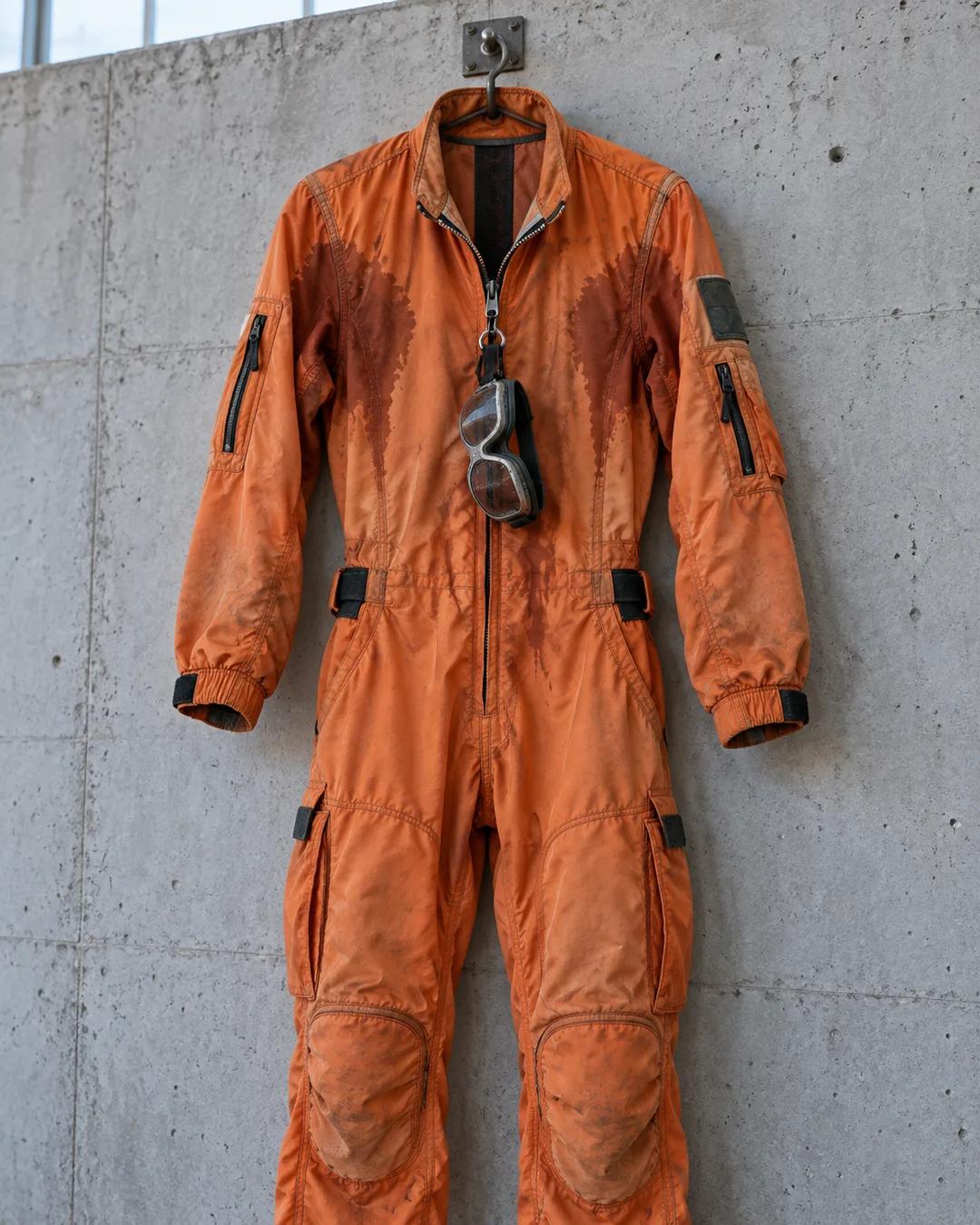
Researchers split volunteers into two groups and put both in sweatsuits. One group sweated on a treadmill. The other group jumped out of planes for the first time, so their suits soaked up fear sweat.
Unsuspecting participants then smelled samples of each kind while their brains were scanned in fMRI machines. They had no idea what they were smelling. Everyone who got the fear sweat had their own fear centers light up.
How fear spreads
The likely explanation is that humans are tuned to one another's stress chemistry. Adrenaline and cortisol leak out of a frightened body, and the people nearby pick it up.
The same leak applies to anyone who is secretly afraid at work. Small nonverbal cues and chemical cues travel from that person to everyone around them.
How does smell reach the brain's fear centers?
Odor molecules bind to receptor neurons in the nose, which send signals to the olfactory bulb at the base of the brain. From there, the signals reach the amygdala and other emotion-related regions within a few synapses. Vision and hearing, by contrast, are routed through the thalamus first.
Do animals warn each other with smell?
Many species do. In 1938 the Austrian biologist Karl von Frisch reported that an injured minnow releases a substance from its skin that sends nearby minnows fleeing. He called it Schreckstoff, German for fright substance. Many other fish species have since been found to carry similar alarm cues.
Why does stress sweat smell different?
Most sweat comes from eccrine glands, which release mostly water and salt to cool the skin. Apocrine glands, concentrated in the armpits and groin, release a thicker fluid with proteins and lipids, and they respond strongly to emotional arousal. Bacteria on the skin break those compounds down into odorous molecules. Apocrine glands do not become active until puberty.
More from The Mel Robbins Podcast