Korva is a scroll of the internet’s best ideas.
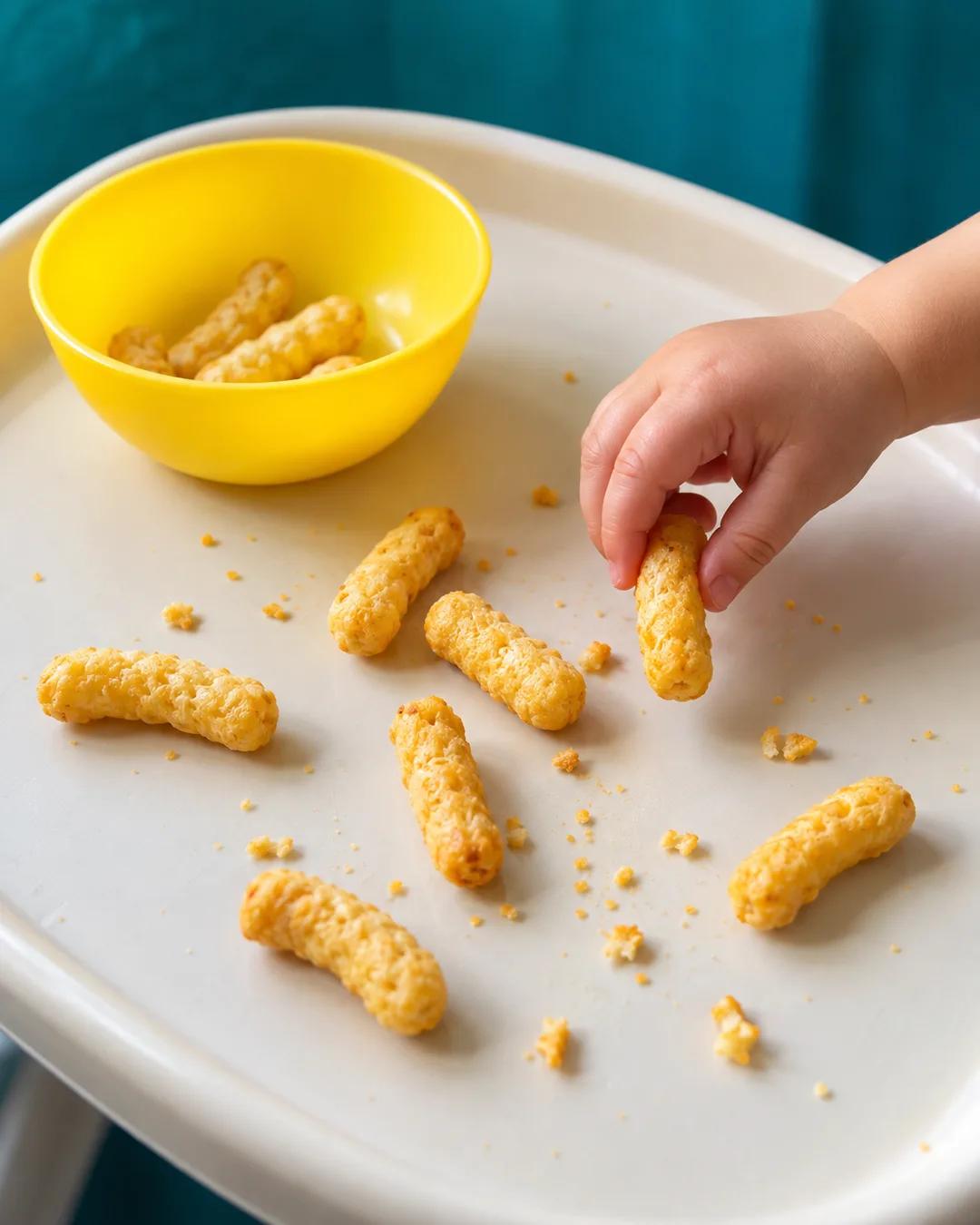
Feeding babies peanuts may reduce allergy

LEAP stands for Learning Early About Peanut allergy, and pediatric allergist Gideon Lack published it. Much of the evidence came from Israel, where babies routinely eat Bamba, a puffy peanut butter flavored snack.
After decades of rising peanut allergy, many parents became terrified of letting a baby near a peanut snack. Peanut allergy has become more of a problem than asthma, and one hypothesis for its rise is the washing of skin with detergents.
Lack has also been looking at whether natural exposure to wheat in early childhood prevents celiac disease. Early evidence exists, though it is not at a level comparable to the LEAP study. Once a conventional wisdom is established, it can be hard to dislodge.
What did the LEAP trial find?
The Learning Early About Peanut allergy trial, published in the New England Journal of Medicine in 2015, enrolled 640 infants at high risk of peanut allergy. Babies who ate peanut regularly from infancy developed peanut allergy at a much lower rate than those who avoided it. By age five, the avoidance group had about 17 percent allergic compared with about 3 percent in the consumption group. The results led to revised US guidelines in 2017.
Why did doctors once advise avoiding peanuts?
In 2000, the American Academy of Pediatrics recommended that high-risk children avoid peanuts until age three. The advice rested on reasoning that early exposure might sensitize babies. Peanut allergy rates kept climbing anyway during the following years. The academy withdrew that recommendation in 2008.
How could skin contact cause a food allergy?
The dual-allergen exposure hypothesis, proposed by Gideon Lack, holds that food proteins entering through inflamed skin tend to cause sensitization. Eating the same protein tends to produce tolerance instead. Infants with eczema have a skin barrier that lets proteins through more easily. Peanut protein has been found in household dust, which supports the idea.
More from Freakonomics Radio Network