Korva is a scroll of the internet’s best ideas.
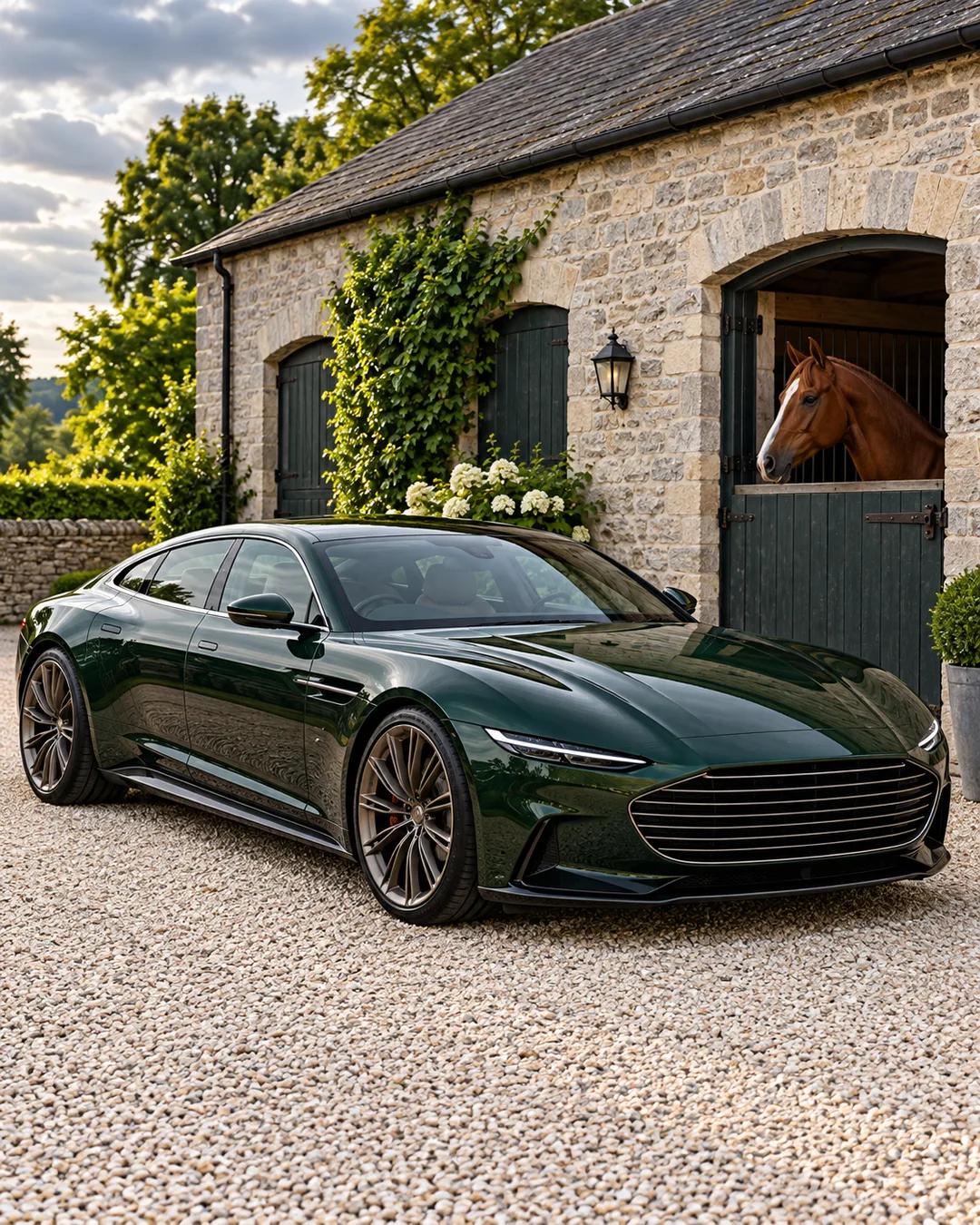
Ferrari capped its SUV at 20%

The SUV Market
The market wants SUVs. About 60 percent of Porsches sold are SUVs, and Porsche has gone from the 911 company to the Cayenne and Macan company. Over 60 percent of Lamborghinis sold are now the Urus, from a company making about 11,000 cars a year as part of the Volkswagen group.
Ferrari's FUV
Ferrari does not call its answer an SUV. It calls it the FUV, a low-roofed four-door named Purosangue, meaning pure blood or thoroughbred, with a naturally aspirated V12 engine. The name insists that this is as much a thoroughbred as any Ferrari.
Capping Production
Total production of the Purosangue is capped at 20 percent, which sacrifices a lot of short-term profit. Ferrari sells about 2,500 to 3,000 a year globally, not 60,000, so seeing a Ferrari on the road stays a special event.
Why does Ferrari cling to V12 engines?
Ferrari's first car, the 125 S of 1947, used a V12 designed by Gioacchino Colombo. The V12 became the engine most associated with the company's front-engined grand tourers. A V12 runs smoothly because its cylinders balance one another, and a naturally aspirated one responds directly to the throttle with no turbocharger delay. Ferrari has kept building them for more than seven decades.
Why did Porsche and Lamborghini add SUVs?
SUVs sell in larger volumes than sports cars at healthy prices, so they help fund development of the rest of a lineup. Porsche launched the Cayenne in 2002, and it soon became its best-selling model. Lamborghini launched the Urus in 2018, and it went on to outsell the rest of its range.
More from Acquired