Korva is a scroll of the internet’s best ideas.
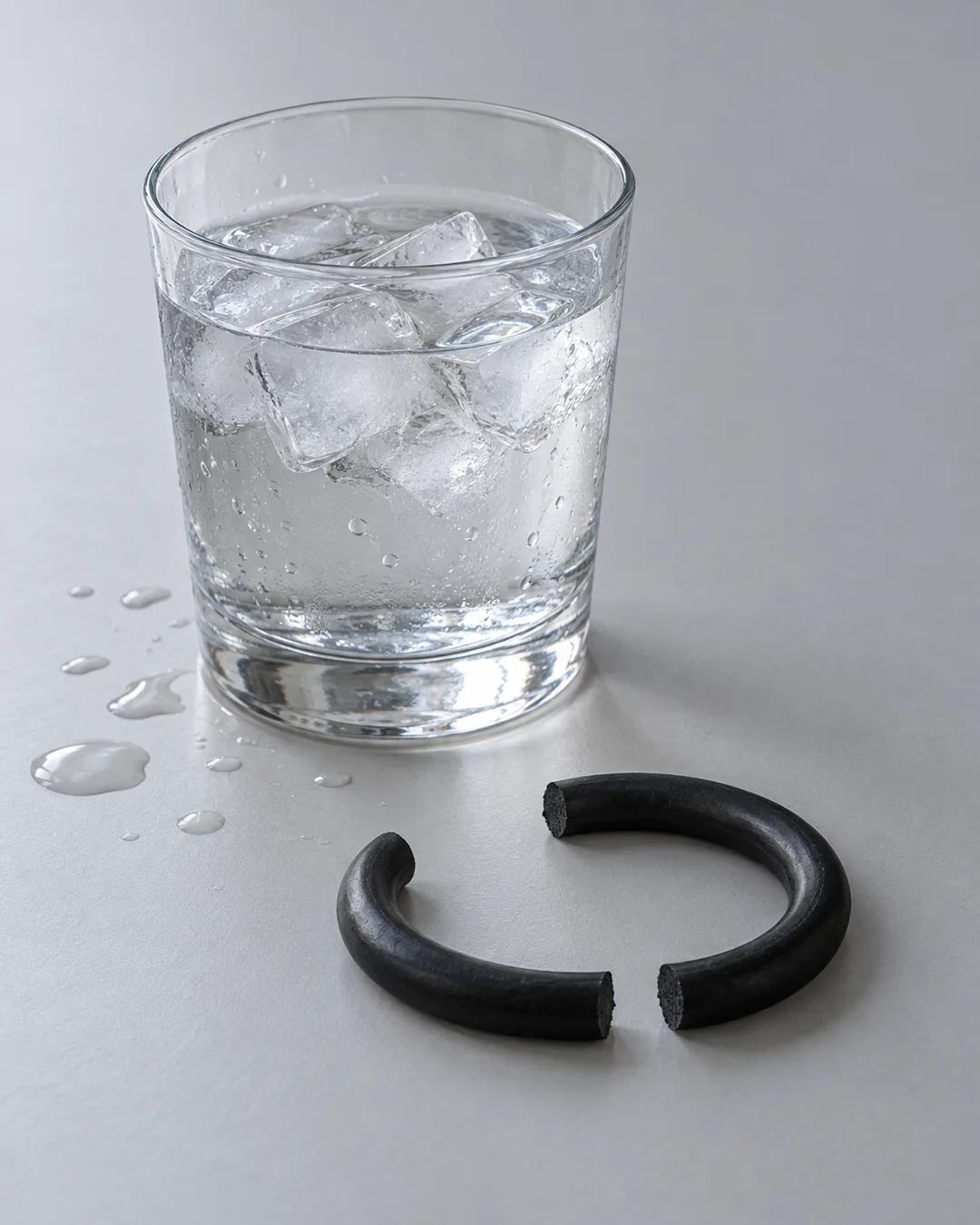
Feynman cracked an O-ring on TV

Joining the commission
Ronald Reagan created the Rogers Commission after the Challenger exploded in January 1986, and most of its members were insiders: Neil Armstrong, other astronauts, generals, Washington figures, and NASA executives. Feynman, a Caltech professor who had won a Nobel Prize and worked on the Manhattan Project, was added for his credibility. He was also fiercely independent and had no time for unnecessary diplomacy.
He hated Washington and did not want the job, but his wife talked him into it. Then he took everything off his calendar for the next six months, which no other member did. He turned up at NASA facilities and asked to meet people before he ever reached Washington, and Neil Armstrong told him the commission evaluates rather than investigates. By then Feynman was already investigating.
The O-ring demonstration
At a televised hearing, he took a piece of material similar to the O-ring, dipped it in the ice water in front of him, pulled it out, and cracked it for everyone to see. The O-rings on the solid rocket boosters had not been designed for cold, and the morning of the launch in Florida was cold. The stunt infuriated the rest of the commission, and in a famous story, Rogers ran into Armstrong in a bathroom and complained that Feynman was being a real pain.
The final report
The final report smoothed everything over, so Feynman called Rogers and told him to take his name off it. When someone had told him to be nicer, his answer was that seven people had died. The commission caved, and Appendix F of the report contains all of his notes in their entirety.
Why does cold make rubber seals fail?
Rubber stays flexible because its long molecules can slide past each other, and cold slows that movement until the material stiffens. An O-ring has to spring back and fill a gap the instant pressure arrives. A stiff ring responds more slowly, which leaves a path for hot gas. The Rogers Commission report recorded a launch-time temperature of about 36 degrees Fahrenheit, colder than any earlier shuttle launch.
How did Feynman test NASA's reliability claims?
In Appendix F, Feynman compared what NASA managers and working engineers thought the odds of a catastrophic shuttle failure were. Managers put the figure at about 1 in 100,000, while engineers put it near 1 in 100. He concluded that for a successful technology, reality must take precedence over public relations. The appendix closes with the line that nature cannot be fooled.
More from All-In with Chamath, Jason, Sacks & Friedberg