Korva is a scroll of the internet’s best ideas.

They buried the tsunami report

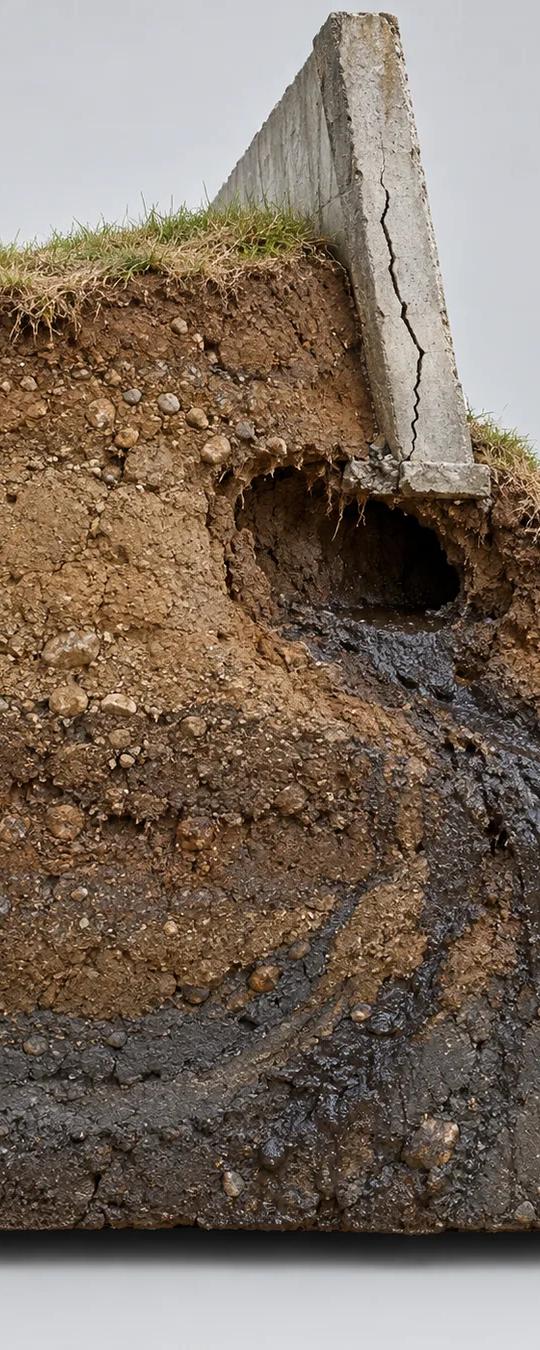
The wall fails
When the tsunami hit, the water went over the wall and took out the generators. With no way to cool the reactor cores, they started to melt down. The disaster killed 2,200 people, displaced 154,000, and cost 200 billion dollars to clean up.
Why it stayed weak
Raising the wall would have prevented all of it. The wall was the technical failure. The institutional failure was why the people in charge let it stay a weak point, and part of the answer was regulatory capture: TEPCO, the company running the plant, and its regulator, NISA, had almost become friends.
After the accident
After the accident, both TEPCO and NISA blocked investigators and got in their way. Martin Fackler, who spent twenty years in the New York Times Tokyo bureau, became a Pulitzer finalist for his reporting. Mr. Yorimitsu took a third-place paper and added twenty investigators to his staff, and it won two awards. Japanese citizens protested and filed claims.
Why did flooding stop the reactors cooling?
A reactor does not stop making heat when it shuts down. Radioactive decay in the fuel keeps producing heat, at several percent of full power in the first moments after shutdown, and pumps must circulate water to carry it away. Those pumps need electricity, and emergency generators are the backup when outside power is lost. When the generators failed, nothing could move that water, and at Fukushima Daiichi the cores of three reactors melted.
How does regulatory capture happen?
Economist George Stigler described the pattern in a 1971 paper on the theory of economic regulation. An industry has a large, concentrated stake in the rules, so it lobbies constantly and supplies the specialists who understand the technology. A regulator short of its own expertise ends up leaning on the people it oversees. Staff moving between regulator and industry, often called the revolving door, deepens the overlap.
Why do tsunamis grow taller near shore?
In deep ocean a tsunami travels at jet speed, often over 500 miles per hour, and rises only a meter or so above the surface. As the seafloor shallows near land, the front of the wave slows while the water behind keeps arriving. The wave's energy compresses into a shorter, taller form. The 2011 Tohoku tsunami reached heights above 10 meters along parts of the Japanese coast.
More from All-In with Chamath, Jason, Sacks & Friedberg