Korva is a scroll of the internet’s best ideas.
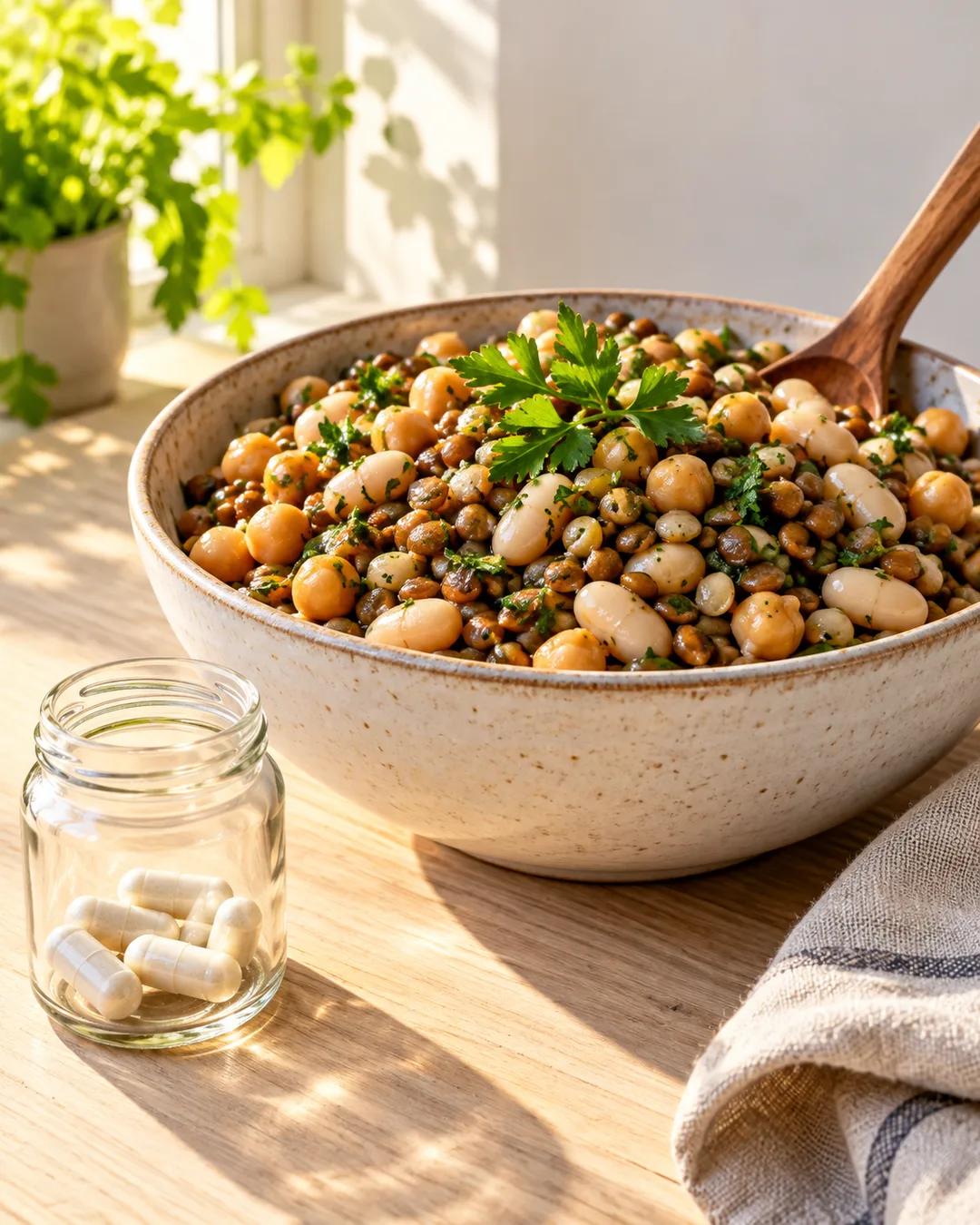
Fiber beats probiotics for gut health
Fiber over probiotics
Prebiotics seem to work much better than probiotics. Gut bacteria ferment soluble fiber into short-chain fatty acids, which can be reabsorbed into the liver, and butyrate supplementation has produced positive effects on insulin sensitivity. In mice, some bacteria flourished on hemicellulose, an insoluble fiber, which suggests they may fuel themselves with it, though that has not been shown in humans.
Diversity
More diversity seems to be better, and fiber from varied sources appears to feed it: fruits and vegetables, whole grains, cereals, and others. Nobody knows that one source of fiber beats another, only that fiber overall is pretty good.
Other levers
Exercise and not eating too many calories round out the main levers on gut health. Saturated fat may reduce some of the more positive bacterial strains, apparently through bile end products, though it is unclear which species are positive or negative. Even gut health experts say to check back in 20 years.
Why don't most probiotics settle in the gut?
The gut is already full of resident microbes that defend their territory, a property called colonization resistance. In a 2018 study in Cell, Niv Zmora, Eran Elinav, and colleagues at the Weizmann Institute found that probiotic strains colonized some people's guts and were rejected by others. Another Cell paper from the same group found that probiotics after antibiotics delayed the return of a person's own microbes. Colonization depends on the individual.
What does butyrate do for the gut?
Butyrate is a short-chain fatty acid made when bacteria such as Faecalibacterium prausnitzii and Roseburia ferment fiber. It is the preferred fuel for the cells lining the colon, supplying most of their energy. It also helps maintain the gut barrier and has anti-inflammatory effects in lab studies.
How could saturated fat change gut bacteria?
Fat in the diet triggers the liver to release bile acids, and the gut reshapes them. In a 2012 paper in Nature, Suzanne Devkota and colleagues at the University of Chicago fed mice a milk-fat diet. It raised a type of bile acid that favored the bacterium Bilophila wadsworthia, and mice prone to colitis developed more inflammation. The study was in mice.
More from Andrew Huberman