Korva is a scroll of the internet’s best ideas.
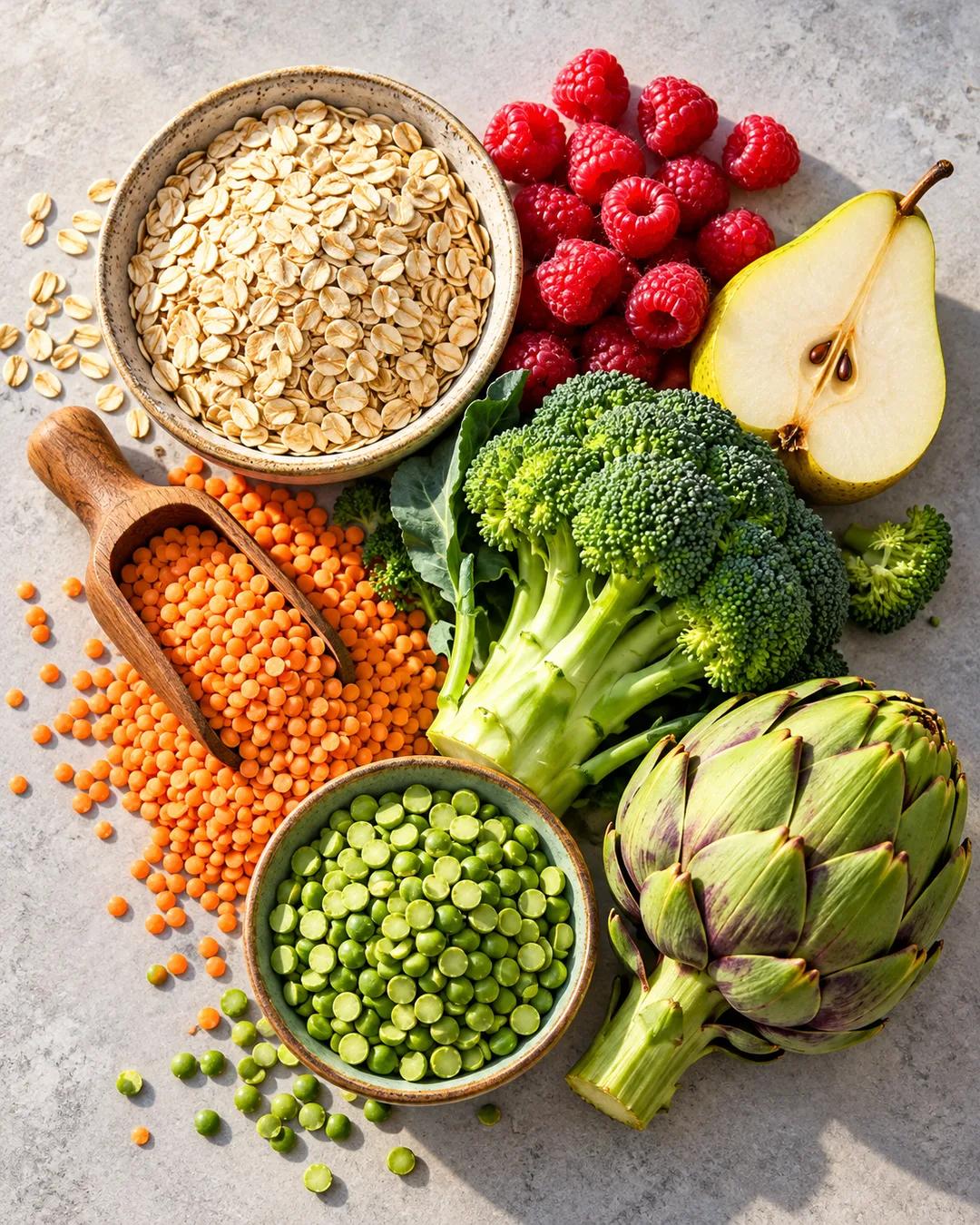
Fiber is the longevity hack
Cohort studies and bias
These are cohort studies, because randomized trials lasting 20 years in humans aren't possible. The usual objection is healthy user bias, meaning healthy people simply eat more fiber. If that explained everything, studies would disagree with one another, as red meat studies do, where results shift with the population and with how high intake, low intake, and processing are defined. Across the fiber studies on cardiovascular disease, cancer, and mortality that have turned up, every one showed improvements with higher fiber.
Gut benefits
That consistency points to a real effect, and the data show no clear ceiling on the benefit, so the practical limit is how much a person can eat without discomfort. Dietary fiber also seems to benefit the gut, because soluble fiber is a prebiotic that feeds the microbiome.
Regularity
Regularity is a real benefit. Fiber adds bulk to stool and makes elimination easier and more frequent. It ranks last among the reasons to eat it.
How does fiber lower disease risk?
Fiber works through several routes at once. Soluble fiber binds bile acids in the gut, so the liver draws on cholesterol to make more. Fermentation of fiber by gut bacteria produces short-chain fatty acids, which feed cells lining the colon. Fiber also slows the absorption of sugar after a meal. A 2019 Lancet meta-analysis by Andrew Reynolds and colleagues, covering 185 prospective studies and 58 clinical trials, found lower rates of heart disease, type 2 diabetes, and colorectal cancer at higher fiber intakes.
Why do red meat studies disagree so much?
Red meat intake is hard to separate from other habits, and its effects change with how it is cooked and processed. Cohorts in different countries eat different cuts and pair them with different foods. In 2015, the International Agency for Research on Cancer classified processed meat as carcinogenic to humans and red meat as probably carcinogenic. That classification reflects strength of evidence rather than size of risk.
More from Andrew Huberman