Korva is a scroll of the internet’s best ideas.
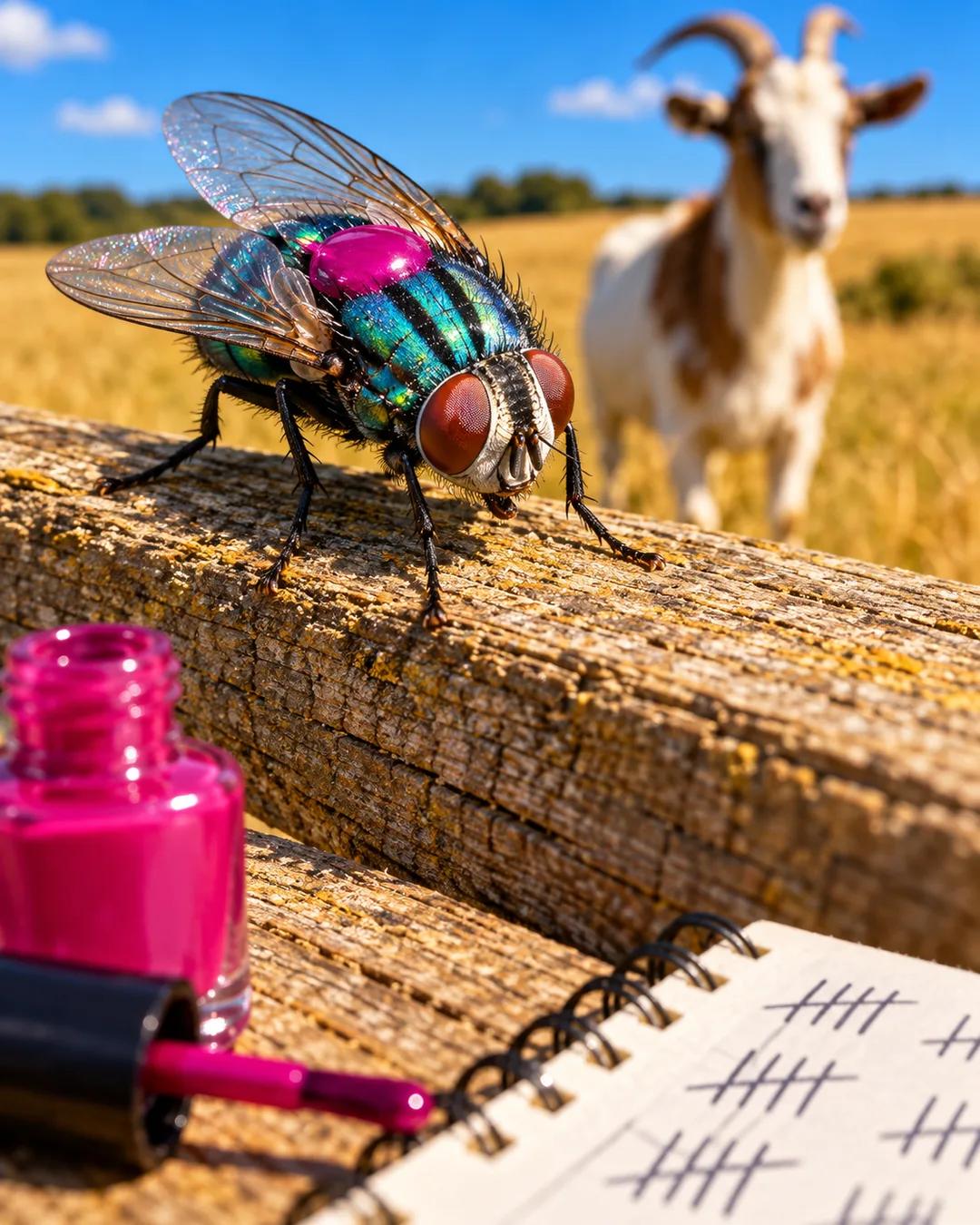
Fingernail polish on screwworm flies
He tracked each marked female for the rest of the week if she stayed in the area, plotting everything she did. What time of day were the flies most active? How many eggs did each one lay? He wrote down the answers day after day, fly after fly, trying to understand the basic life functions of the screwworm.
The watching turned up two facts. Compared with other flies, the number of screwworms in a given area was surprisingly low, and later studies put it at around 100 flies per square mile. And screwworms would not infect dead animals, only living ones.
Why does a low fly density help the sterile approach?
A sterile release only works if the released males outnumber the wild ones. With about 100 flies per square mile, a factory could realistically produce enough males to overwhelm the wild population, whereas for most flies the numbers would be impossible. This observation helped move the plan from a hunch toward a program.
Why mark individual flies with polish?
Marking turns an anonymous swarm into known individuals whose behavior can be followed day after day. Researchers can then record how often a female returns, how many eggs she lays at each visit, and at what time of day she is active. Entomologists have long used paint and dye marks for this kind of observation, since the marks survive handling and do not harm the insect.
Why do screwworms ignore dead animals?
The larvae feed on living tissue, so a female screwworm looks for a live host with an open wound. Dead flesh decays in ways that suit other blowflies, but it does not support screwworm larvae. That feeding habit is what separates the screwworm from many related flies.
More from Brian Potter