Korva is a scroll of the internet’s best ideas.
Quadrupling the flies cleared Curaçao
The Sanibel test
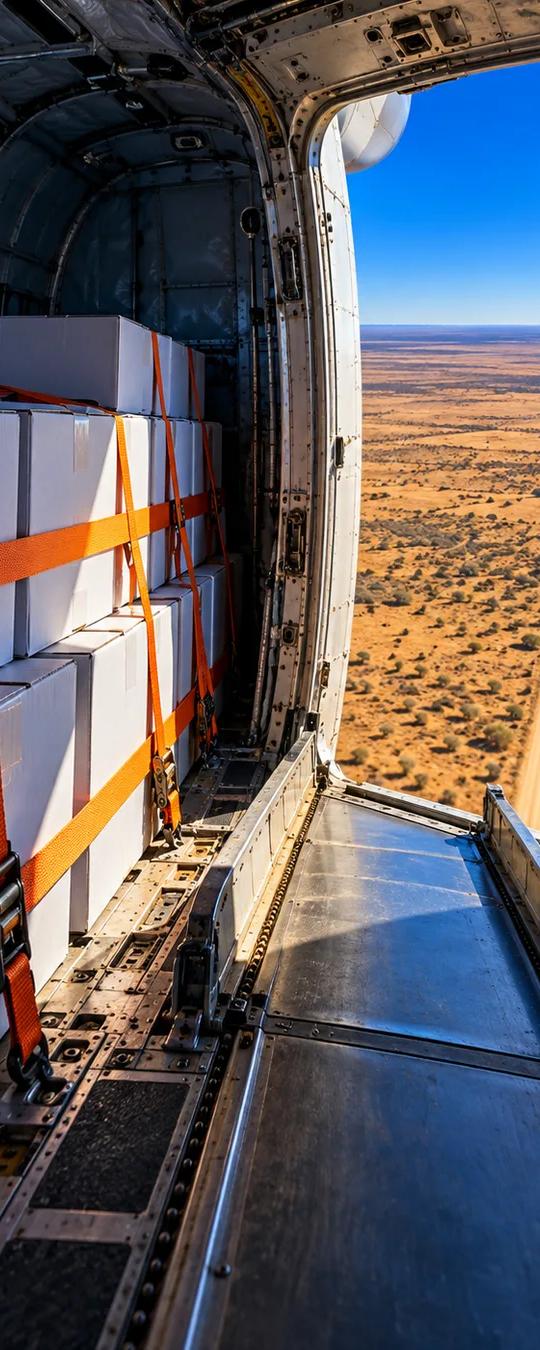
The first attempt had been on Florida's Sanibel Island. Scattering sterilized pupae on the ground failed, because ants and other insects devoured them, so the team dropped boxes of live flies from a small plane instead. Within a few months the wild screwworms were down to virtually nothing, though not gone, likely because flies kept arriving from the mainland.
A chance letter from Curaçao
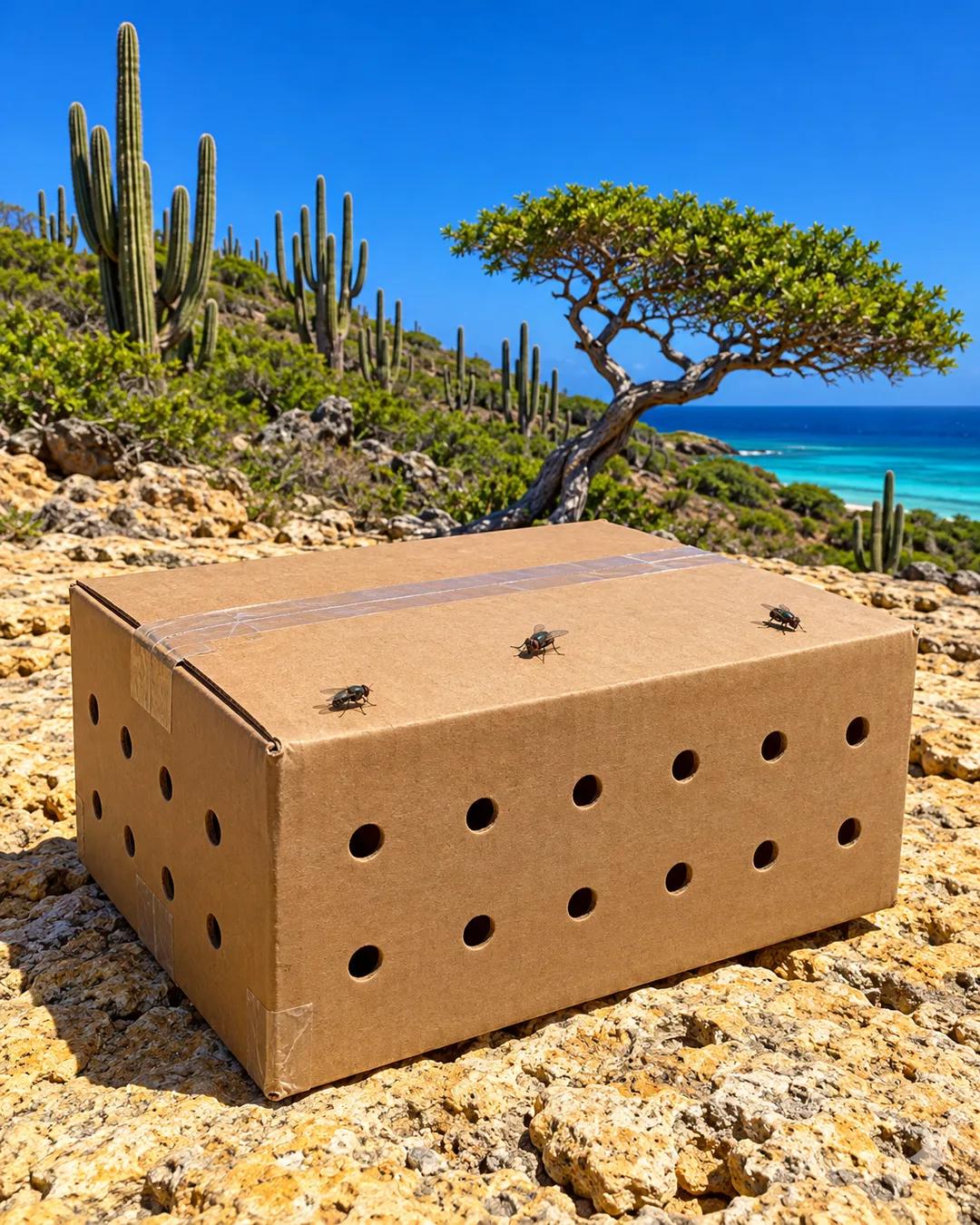
For a larger test, the team needed an isolated island overrun with the pest. By chance, a Dutch agricultural officer stationed on Curaçao wrote to Knipling asking whether he had any suggestions for dealing with the screwworms there. In the summer of 1954, sterilized flies from a new production facility in Orlando, complete with a cobalt-60 gamma-ray source, were flown to the island and dropped in a carefully planned pattern.
Results
For the first few weeks, 85% of screwworm offspring were still viable. Then the density of dropped flies went from 100 to 400 per square mile, and results quickly improved. Within 14 weeks, no viable offspring could be detected, and in November 1954 Curaçao was declared free of screwworm.
Why did ants wreck the ground release?
Pupae cannot move, so they are easy prey for ants and other scavengers on the ground. Dropping live adult flies from a plane lets them fly off on their own as soon as they are released. Ants are among the most common scavengers of small insects in warm climates.
Why test the method on an island?
Water limits how many wild flies can arrive, so the effect of a release is easier to measure. Curaçao lies off the coast of Venezuela and covers roughly 170 square miles, a manageable area for a first large trial. Sanibel Island sits just off the Florida mainland, and flies kept arriving from there, which is why the screwworms there were reduced to almost nothing but not eliminated.
How do researchers know offspring are no longer viable?
Researchers collect eggs laid by wild females and watch whether they hatch. A drop in the share of eggs that hatch shows that wild females are mating with sterile males. When no egg masses collected from the island hatch for weeks, researchers conclude that the local population has collapsed.
More from Brian Potter