Korva is a scroll of the internet’s best ideas.
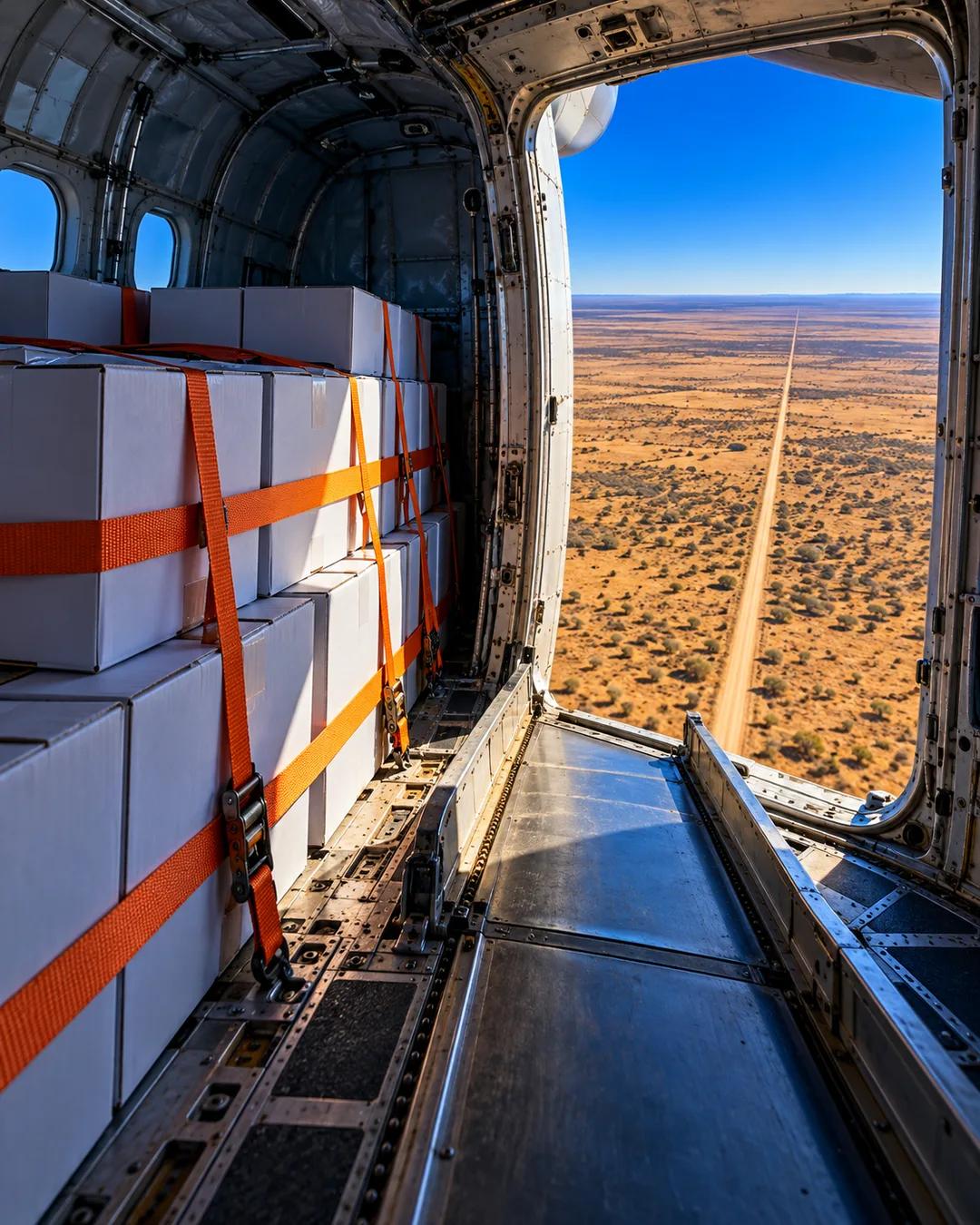
Some flew 180 miles a week
The first failure
The Southwest program began in February 1962, when winter had pushed screwworms down into Mexico, and USDA planes started dropping sterile flies along the border. The effort failed and Texas was reinfested. The Kerrville insectary made 20 million sterilized flies a week, and an effective barrier needed more than ten times that.
A wider barrier
The 100-mile width had seemed safe because the fly lives only a few weeks. The newer research meant the barrier had to be 400 miles wide. The USDA ramped up production at the new Mission factory as fast as it could, and an agreement with Mexico let USDA planes fly hundreds of miles into Mexican airspace to drop sterilized flies.
Eradication
The expanded barrier worked. By 1963, the rate of screwworm cases in the US had fallen by 90%. Texas, New Mexico, Oklahoma, and Louisiana were declared free in 1965, California and Arizona soon followed, and by 1966 screwworm had been eliminated from the entire US.
Why do screwworms retreat south every winter?
Screwworm flies cannot survive prolonged freezing weather, so in cold months the wild population survives only in the warm south. Each spring the flies spread north again from those refuges. This seasonal pattern is why the program started its releases in winter, when the wild flies were concentrated in a smaller area.
How did researchers learn how far flies travel?
Researchers released flies marked with dye or radioactive tracers and set traps at measured distances to recapture them. The recapture counts showed how far the flies spread over a week. Wind can carry flies much farther than they would fly on their own.
More from Brian Potter