Korva is a scroll of the internet’s best ideas.
Fish fries paid the rent
New Orleans fish fries
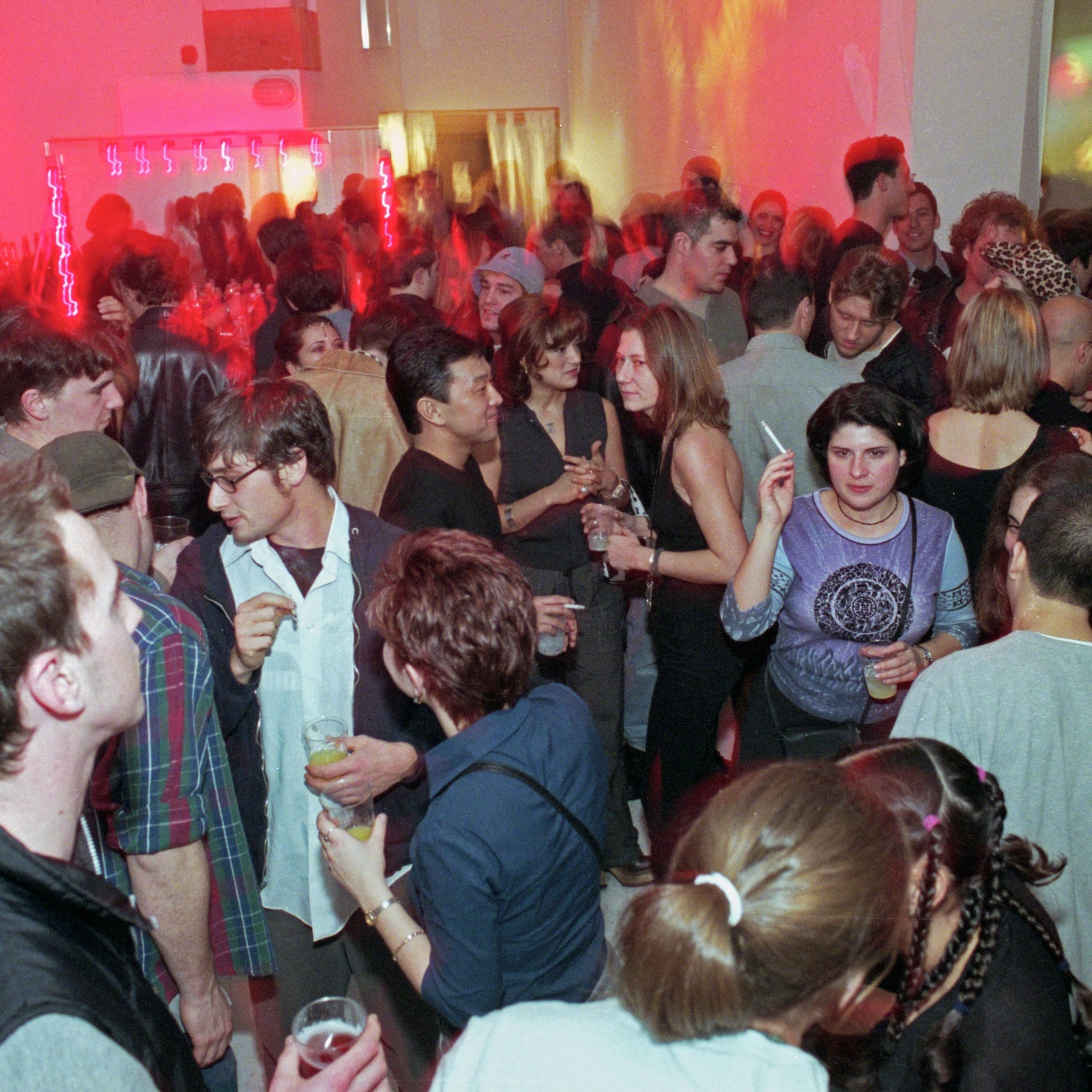
The Saturday night fish fry came with an amazing spread of food and drink, and bands performed at it. The money helped households that were struggling with rent payments, and the parties meant musicians always had work. That made them a big part of the social scene and a major influence on the development of jazz culture.
Harlem rent parties
The same thing happened in Harlem in the 1920s, where apartments opened up as Saturday night rent parties. Langston Hughes wrote that the ones he attended were often more amusing than any nightclub. The apartments were small, and the guests seldom knew who lived in them. A piano might be joined by a guitar, an odd cornet, or someone with a pair of drums walking in off the street, and the dancing, singing, and impromptu entertaining lasted until dawn came in at the windows.
The invitation cards
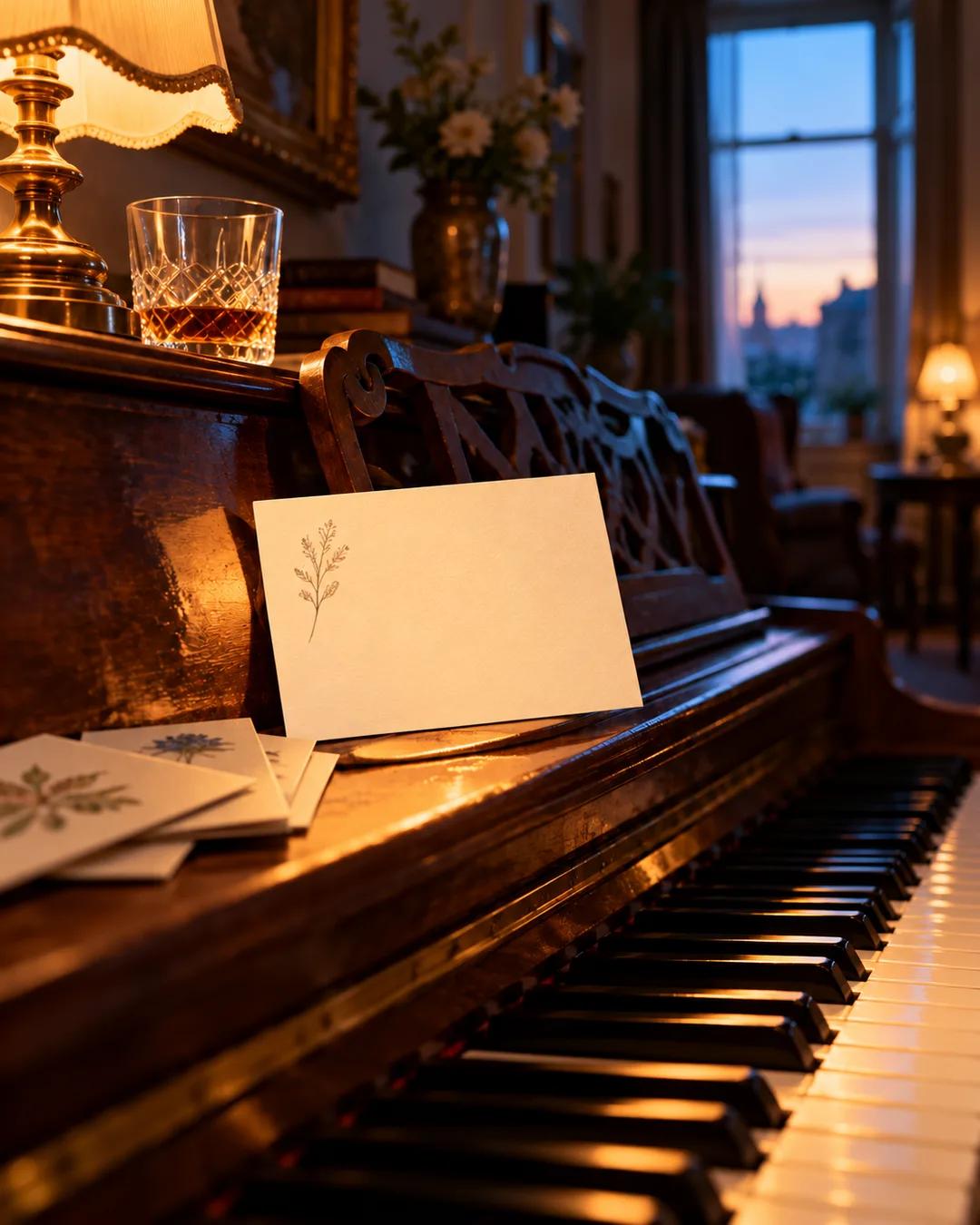
Hughes went to as many as he could and collected the invitations. Hosts wrote their addresses on business cards and left them in shops, pubs, and hairdressers, and people picked them up and showed up. His collection of those cards now sits in a Yale archive.
Why did rent parties take off in Harlem?
Harlem filled quickly during the Great Migration, when Black families left the rural South for northern cities in large numbers. According to historian Gilbert Osofsky, landlords there often charged Black tenants more than white tenants for comparable apartments, which left many households short each month. A party with an entry fee, food, and live music could cover a gap that wages could not. Such parties were also called parlor socials or house-rent parties.
How did rent parties shape Harlem's piano style?
Pianists such as James P. Johnson, Willie the Lion Smith, and Fats Waller played Harlem rent parties, where the music had to carry a crowded room without amplification. The left hand kept a steady bass note and chord pattern, which freed the right hand to improvise, and the style became known as stride piano. Players competed in friendly contests to show off new tricks. Fats Waller learned much of his technique from James P. Johnson.
More from Today, Explained