Korva is a scroll of the internet’s best ideas.
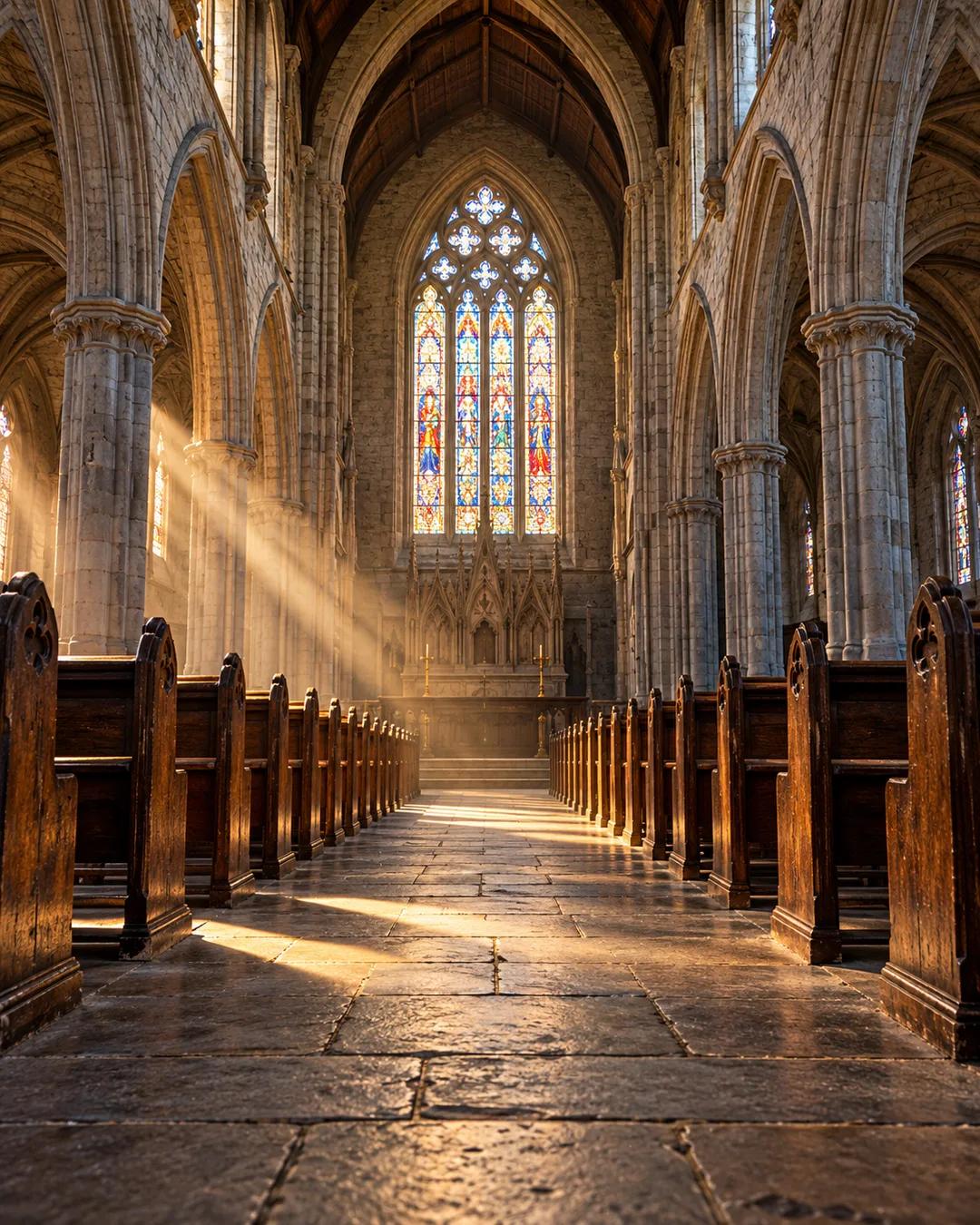
Pews may have stopped church dancing
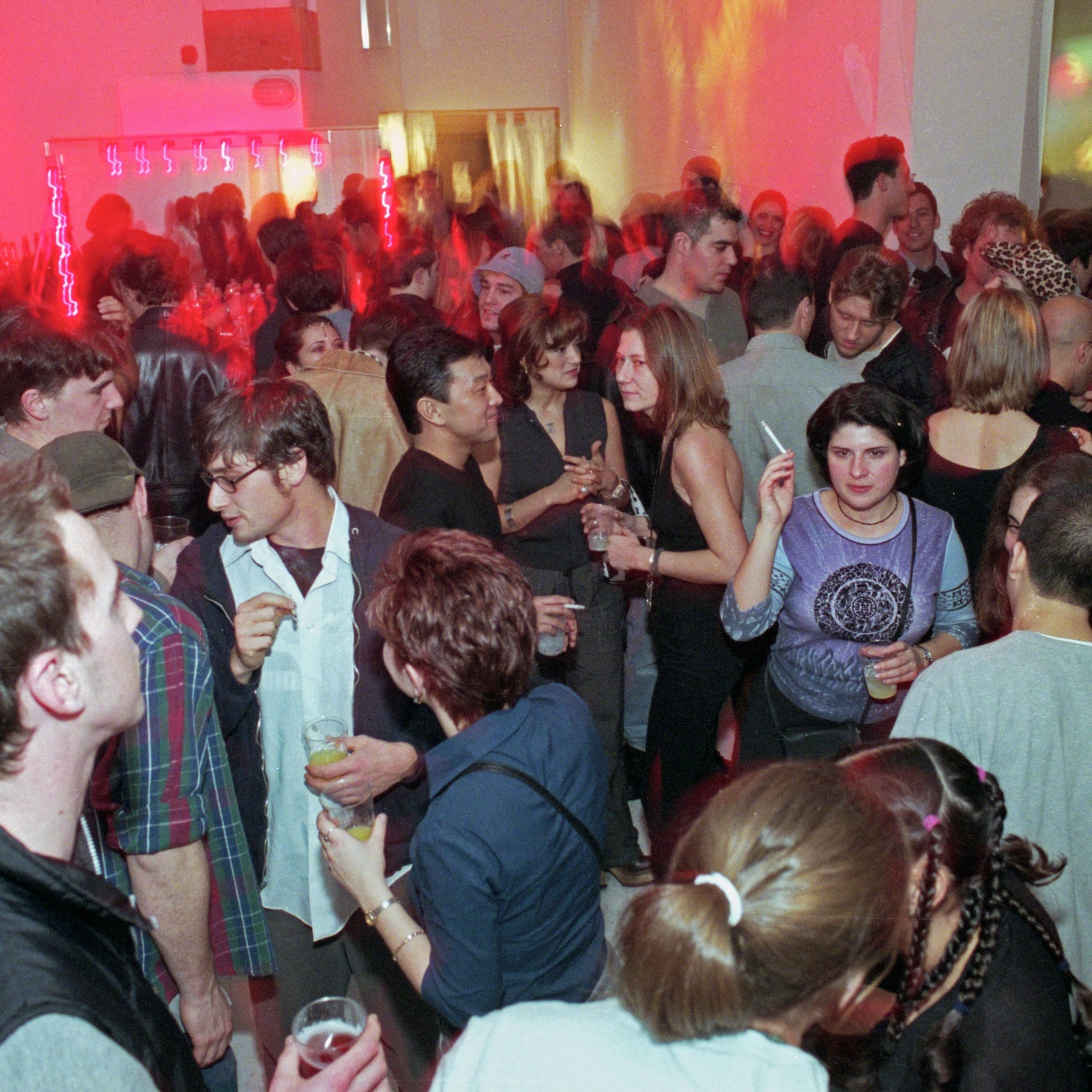
For most of human history, drinking, dancing, music, and hedonism were part of religion. Religion was so all-encompassing that it contained people's hedonistic instinct, and there was nothing really outside it.
Churchgoing in medieval England shows how far that went. On feast days there was drinking and dancing, and the whole experience was quite rowdy and raucous. The pews at Wells Cathedral may have been a response, introduced to subdue the dancing because it was so raucous.
How did church ales fund English parishes?
A church ale was a parish festival where ale brewed by the community was sold to raise money. The proceeds went toward repairs, bells, and other costs of keeping the church running. Whitsun ales, held around Pentecost, were among the best known. Puritan reformers attacked the events in the sixteenth and seventeenth centuries, and they largely faded after that.
Why did medieval churches have no seats?
The nave of a medieval parish church was largely open floor, and congregations stood or knelt through services. The only seating was usually a stone ledge along the walls for the elderly or infirm. The open space let the building double as a gathering place for parish business, markets, and feasts. Fixed wooden pews spread across English churches mainly between the fifteenth and seventeenth centuries, as sermons grew longer.
More from Today, Explained
