Korva is a scroll of the internet’s best ideas.
Focus in ninety-minute bouts

The beginning of a bout is warm-up, five to 10 minutes in which it is fine to be flickering in and out of focus. The end flickers too. Nobody stays at full focus for an entire cycle, or all day long.
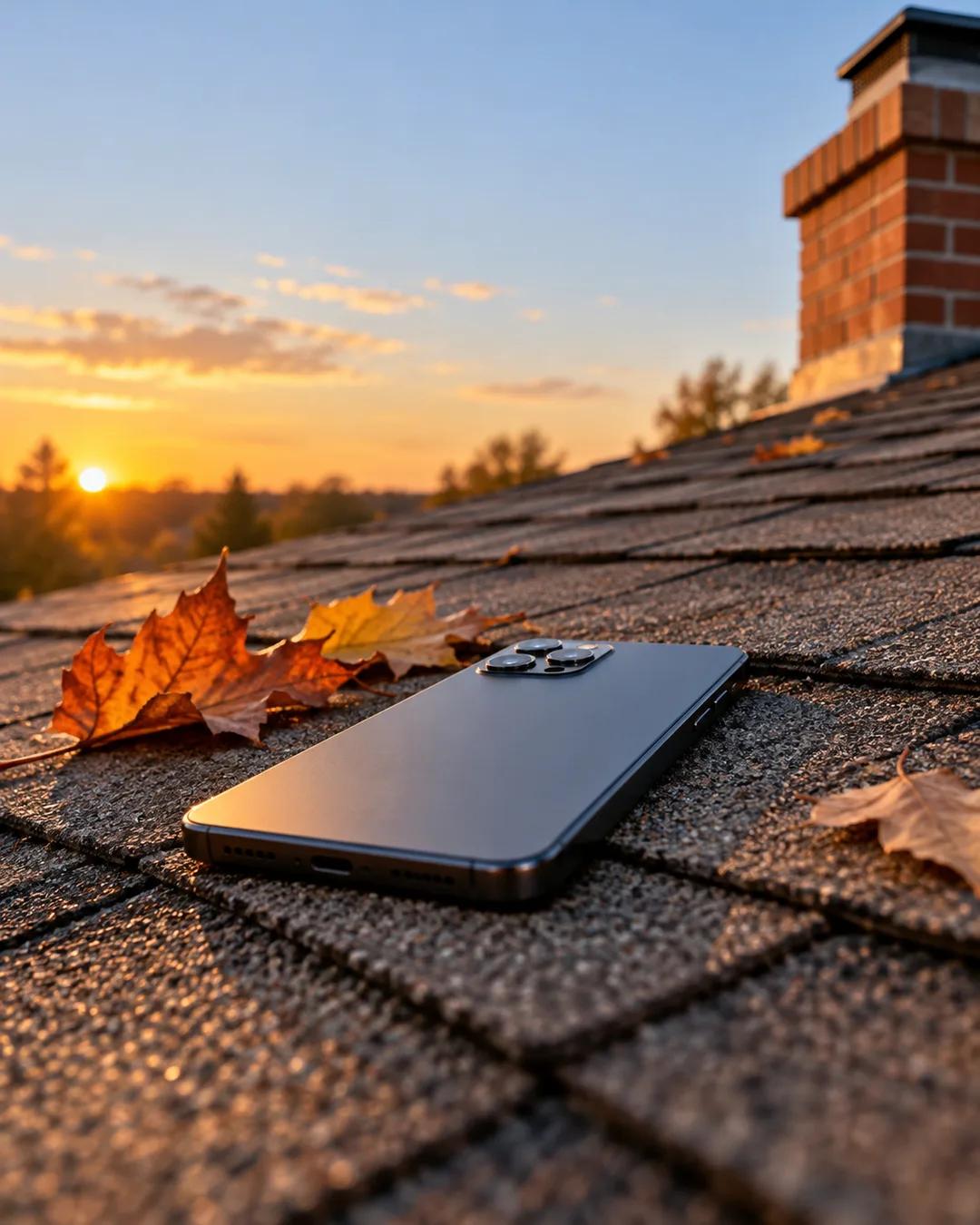
Attention drifts, and it has to be re-anchored again and again. For a sighted person that means bringing the eyes back to the thing being learned. Eliminating distractions helps: wifi off, phone in another room, or locked in the car outside. One way to leave a phone alone is to throw it on the roof until the end of the day.
High performers across many fields do not focus all day. They walk down hallways mumbling to themselves, go for bike rides, and take walks. Some people train their visual focus until they can do three or four 90-minute bouts in a day.
Where does the 90-minute cycle come from?
Nathaniel Kleitman, a sleep researcher at the University of Chicago, found that sleep runs in cycles of about 90 minutes. He later proposed a similar basic rest-activity cycle that continues through the day. The evidence for this daytime rhythm is thinner than for the sleep cycle. Still, studies of performance have found rhythms of about this length in alertness.
Why does attention keep drifting?
The brain's default mode network becomes active when the mind is not on a task, and it competes with networks that hold attention on a task. Studies by Matthew Killingsworth and Daniel Gilbert at Harvard in 2010 found people's minds wandered during 46.9 percent of their waking moments. Mind-wandering is a normal feature of the brain at rest. Attention has to be returned over and over.
Why does a phone in view hurt focus?
Adrian Ward and colleagues at the University of Texas at Austin reported in 2017 that people did worse on attention tests when their smartphone was on the desk, even face down and silenced. Performance was best when the phone was in another room. The researchers called the effect brain drain. Part of the reasoning is that suppressing the pull of the phone uses limited cognitive resources.