Korva is a scroll of the internet’s best ideas.
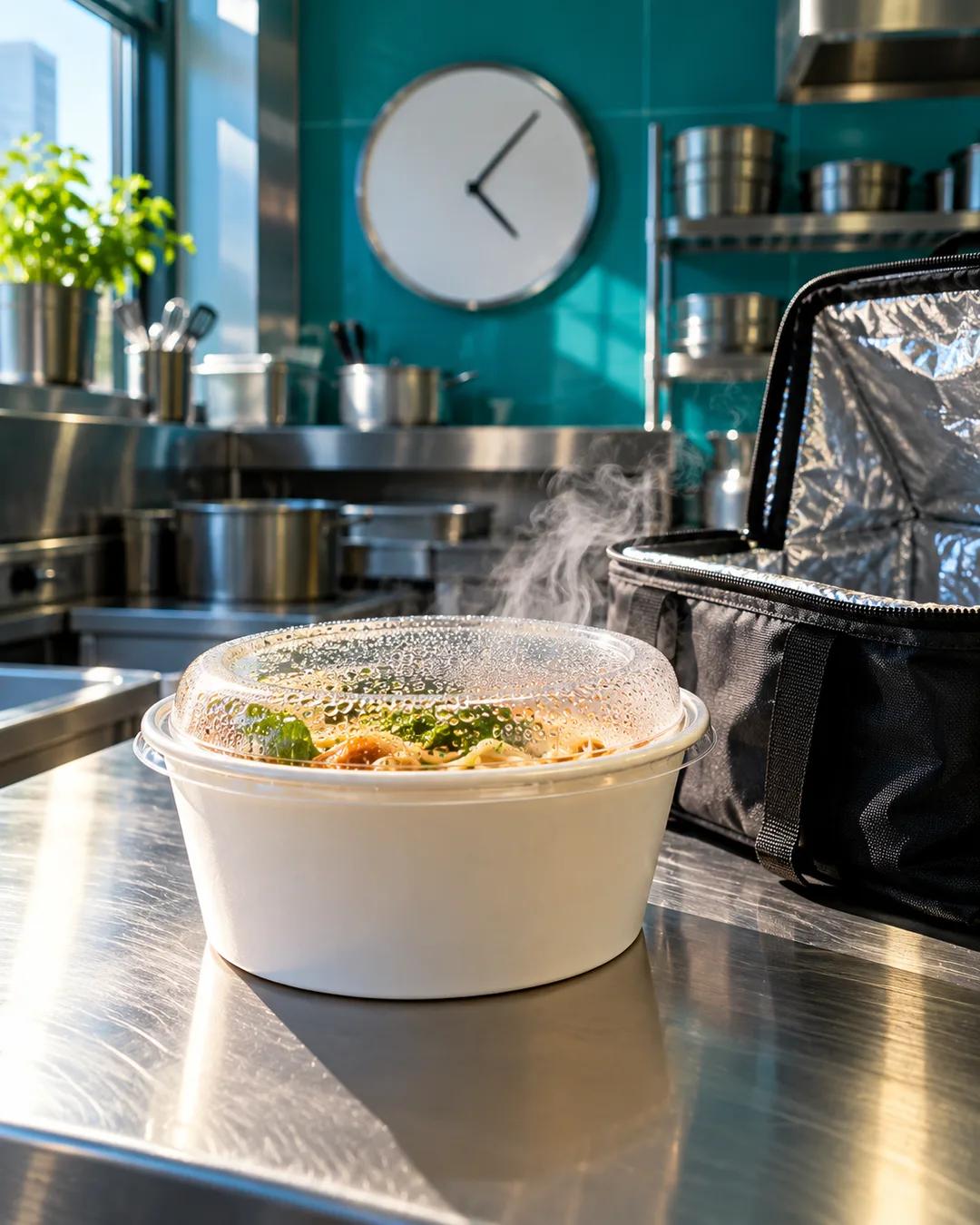
Food has a 30-minute half-life
Amazon's model splits the two jobs: everything is manufactured somewhere else, then delivered to a big warehouse and sent on from there. Food can't follow that path. It needs manufacturing and logistics in one building, and that building has to sit in an urban or suburban area, always 15 minutes from anybody.
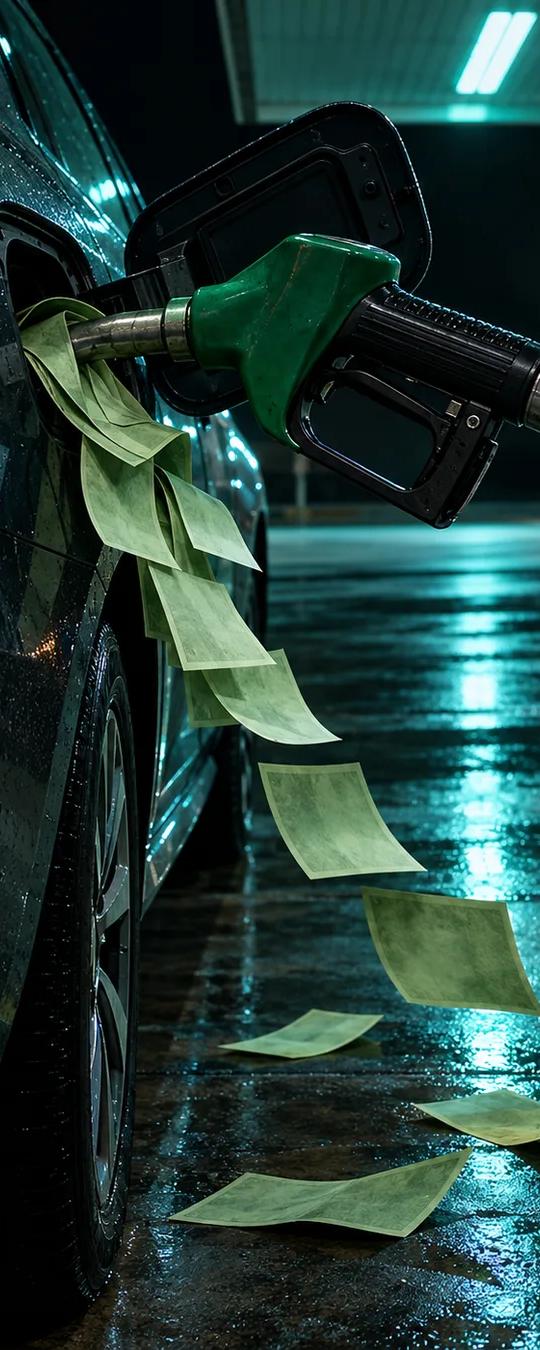
Costs pile up in the meantime. A $15 bowl becomes a $30 bowl by the time it arrives, because it is expensive to produce and every courier drop adds another $12.
The goal is a high-quality prepared meal delivered at a cost approaching a trip to the grocery store. It takes industrial real estate for food e-commerce, with heavy-duty energy and mechanical systems, plus robotic production that takes the labor cost out of the kitchen and robotic couriers that do the same for the drop.
Why does cooked food lose quality so fast?
Heat and moisture work against a cooked meal from the moment it leaves the stove. Steam trapped in a container softens crisp surfaces, and the food cools toward a temperature where flavors dull. Starches also change as they cool, a process called retrogradation that makes bread and rice firm and dry. Retrogradation is fastest at refrigerator temperatures, which is why chilled bread goes stale sooner than bread left at room temperature.
How did cold chains stretch food's shelf life?
Before refrigerated railcars, beef reached eastern cities as live cattle shipped by rail. In the 1870s, Gustavus Swift of Chicago began shipping dressed beef in iced railcars, which moved the butchering to the stockyards and cut the cost of transport. Mechanical refrigeration later replaced ice. Clarence Birdseye's quick-frozen foods went on sale in Springfield, Massachusetts, in 1930.
Why is delivery the costly last step?
Logistics analysts often single out the last mile as the most expensive leg of shipping. A single courier carries few orders over many stops, so each drop absorbs a full share of the courier's time. Warehouses move goods in huge batches, but a doorstep delivery cannot be batched the same way. Parcel carriers build their routes around the number of stops they can complete per hour.
More from David Senra