Korva is a scroll of the internet’s best ideas.
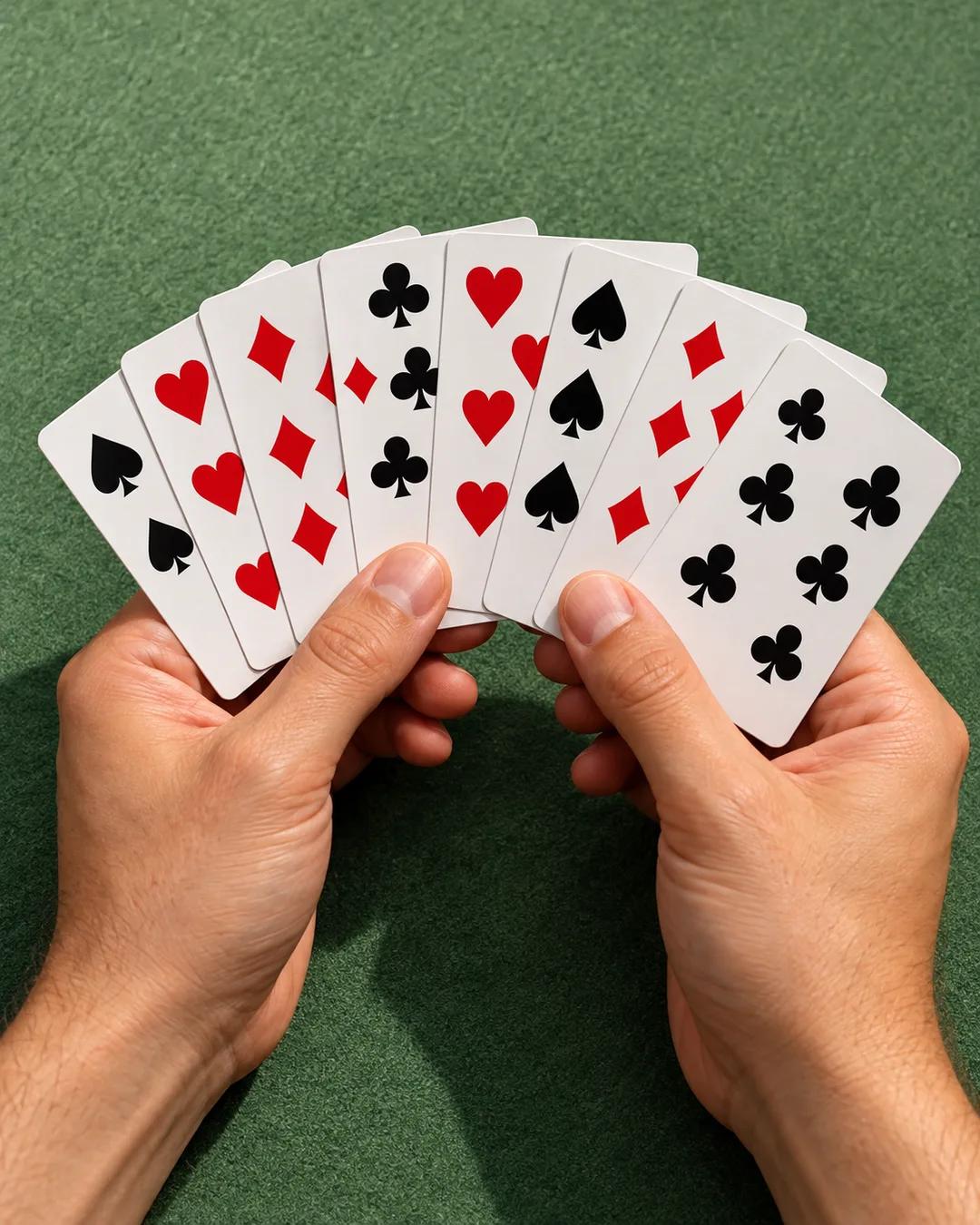
Foreign policy comes in four suits

Hamilton and Wilson
Hamiltonians want a strong capitalist economy trading with the world, because money and technological progress hold society together and make the country too strong to attack. They favor a strong federal government that builds infrastructure and helps American companies win abroad. Wilsonians put human rights first: bad governance and dictatorships cause the threats America faces, democracies don't go to war, and generals like to fight while moms don't, so the country should promote democracy and international institutions.
Jefferson and Jackson
Jeffersonians prize personal liberty above everything. Any involvement abroad, whether a human rights crusade or great power balancing, builds a powerful government with secrets, colossal defense budgets, and endless wars, until a country can conquer the world and lose its freedom at home. Jacksonians don't care what foreigners do unless they attack the country or insult its honor, and then the answer is to crush them until they never raise a hand against the United States again. They often look like Jeffersonians in peacetime, until something like Pearl Harbor or September 11 switches them on.
Today's Coalitions
The four work like suits in a deck of cards. Few people hold all thirteen cards of one suit, so each person has a mixed hand with some suits stronger than others. The postwar establishment was a coalition of Wilson and Hamilton: build a global system that makes the country rich and also promotes human rights. Trump's coalition mixes Jeffersonians and Jacksonians, with Vance as the isolationist champion and Rubio as the hawk. On Ukraine, Jeffersonians call it someone else's fight while Jacksonians want to punch Putin in the nose.
Why are the four named for these men?
Each name points to a figure who stood for the outlook. Alexander Hamilton, the first Treasury Secretary, pushed for a national bank and promoted domestic manufacturing in his 1791 Report on Manufactures. Woodrow Wilson proposed the League of Nations after World War I. Thomas Jefferson warned against entangling alliances, and Andrew Jackson won fame as the general who beat the British at New Orleans in 1815. Walter Russell Mead popularized the four-part framework in his 2001 book Special Providence.
Why do Jacksonians react so hard to attacks?
Mead traces the Jacksonian outlook to an honor culture among Scots-Irish settlers in the Southern backcountry, who lived far from courts and relied on their own reputation for strength. In that culture an insult or an attack called for a response, and a weak answer invited more trouble. Historian David Hackett Fischer described a similar honor culture among backcountry settlers in his 1989 book Albion's Seed. The Jacksonian view of war carries the same idea: once it starts, it is fought until the enemy is beaten.
How did Wilsonians build international institutions?
Wilson proposed the League of Nations in 1919, and the United States Senate refused to join it. After World War II, Wilsonian ideas came back in the United Nations, founded in 1945 with American backing and headquartered in New York. American officials also helped create the Universal Declaration of Human Rights, adopted by the UN General Assembly in 1948. Eleanor Roosevelt chaired the commission that drafted it.
More from Invest Like the Best with Patrick O'Shaughnessy