Korva is a scroll of the internet’s best ideas.
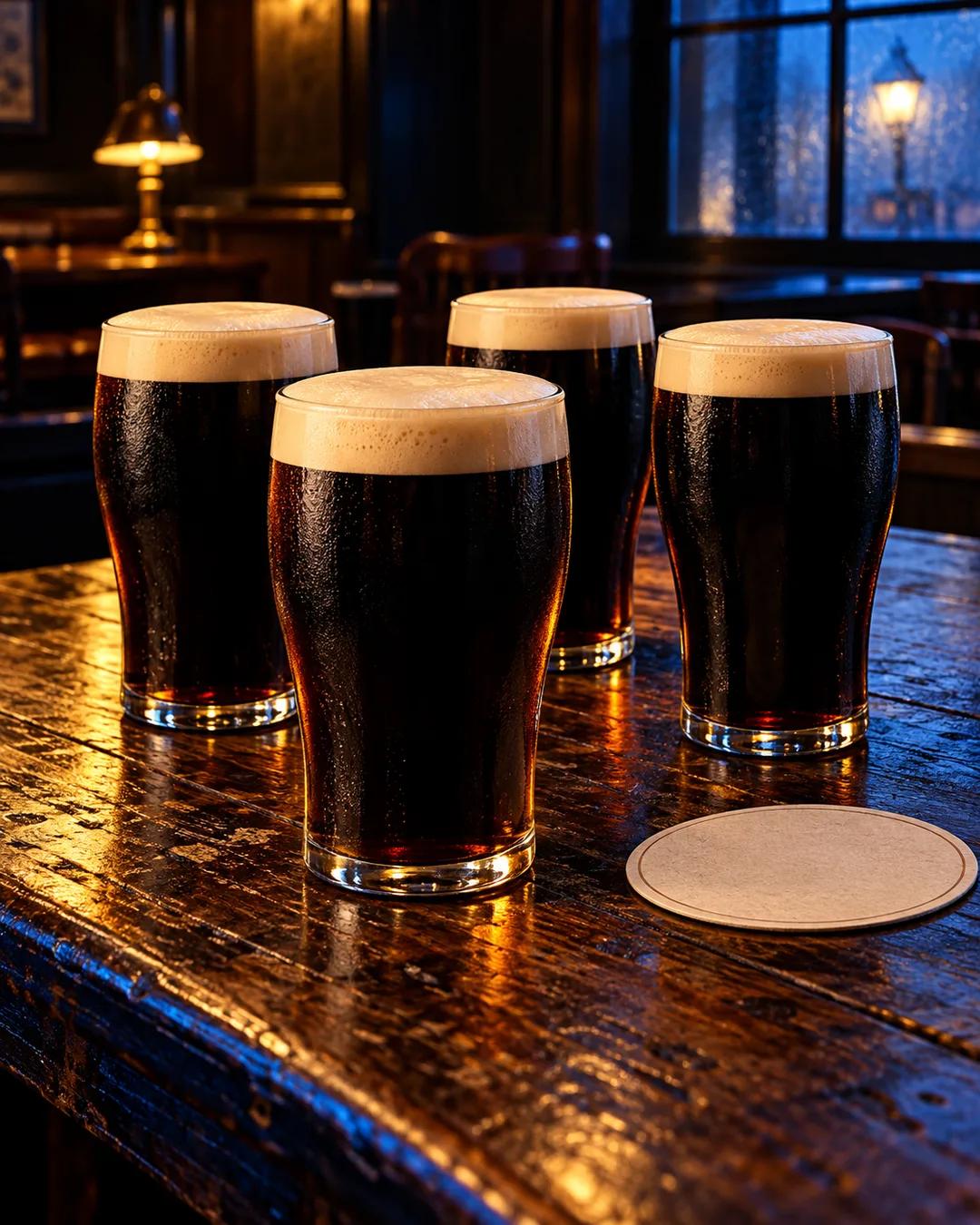
Four friends shot over a pint

A last pint
The four had been working late in Belfast city centre on that Saturday night. They chose the Malvern Arms because it stayed open after hours, and one of them, Andrew Kelly, knew the landlord. The pub was busy at midnight, and they were served without any trouble and sat down with their pints.
The wrong table
By sheer bad luck, the next table belonged to Gusty Spence and his gang from the Ulster Volunteer Force. Their talk turned to the religion of the four young men. Spence went to the bar beside them to buy a drink, listened to their conversation, and came back to his own table with a verdict: they were IRA men, and they would have to go. They were not IRA men.
The shooting and Spence
A couple of hours later the four left, with Peter Ward, 18, leading the way. The shooting started as soon as they reached the street. Ward was dead when he hit the ground, and Kelly was shot too and dropped while the gunmen kept firing. Four men fired without a word, and all Kelly remembers is the flashes. Ward was the third victim of the UVF's new campaign.
Spence and two others were sent to prison. To some people the killings gave Spence an outlaw appeal, and one writer later called him a loyalist folk hero. Many loyalist gunmen who joined paramilitary groups afterward name him as their inspiration, the one man with the guts to take up the gun to defend their people.
How did Belfast pubs become one side's turf?
Belfast grew fast in the 19th century as rural workers poured into its linen mills and shipyards. They settled near their jobs, street by street, along religious lines. By the 1960s the Shankill and the Falls were separate worlds, each with its own churches, shops, and pubs. Riots in 1886 over the first Home Rule bill had already killed dozens of people.
How did Gusty Spence's story end?
Spence was convicted of Ward's murder later in 1966 and given a life sentence. He served nearly 18 years and was released in 1984. In prison he turned away from violence and later urged loyalists toward politics. In October 1994 he read out the loyalist paramilitary ceasefire announcement, and he died in 2011.
Why did the 1966 gang borrow an old name?
The name came from the original Ulster Volunteer Force, formed in 1913 to resist Irish home rule by force if necessary. In April 1914 it landed roughly 25,000 rifles at Larne and other ports. Many of its members then joined the 36th (Ulster) Division, which suffered heavy casualties at the Somme on 1 July 1916.
More from The Rest Is History