Korva is a scroll of the internet’s best ideas.
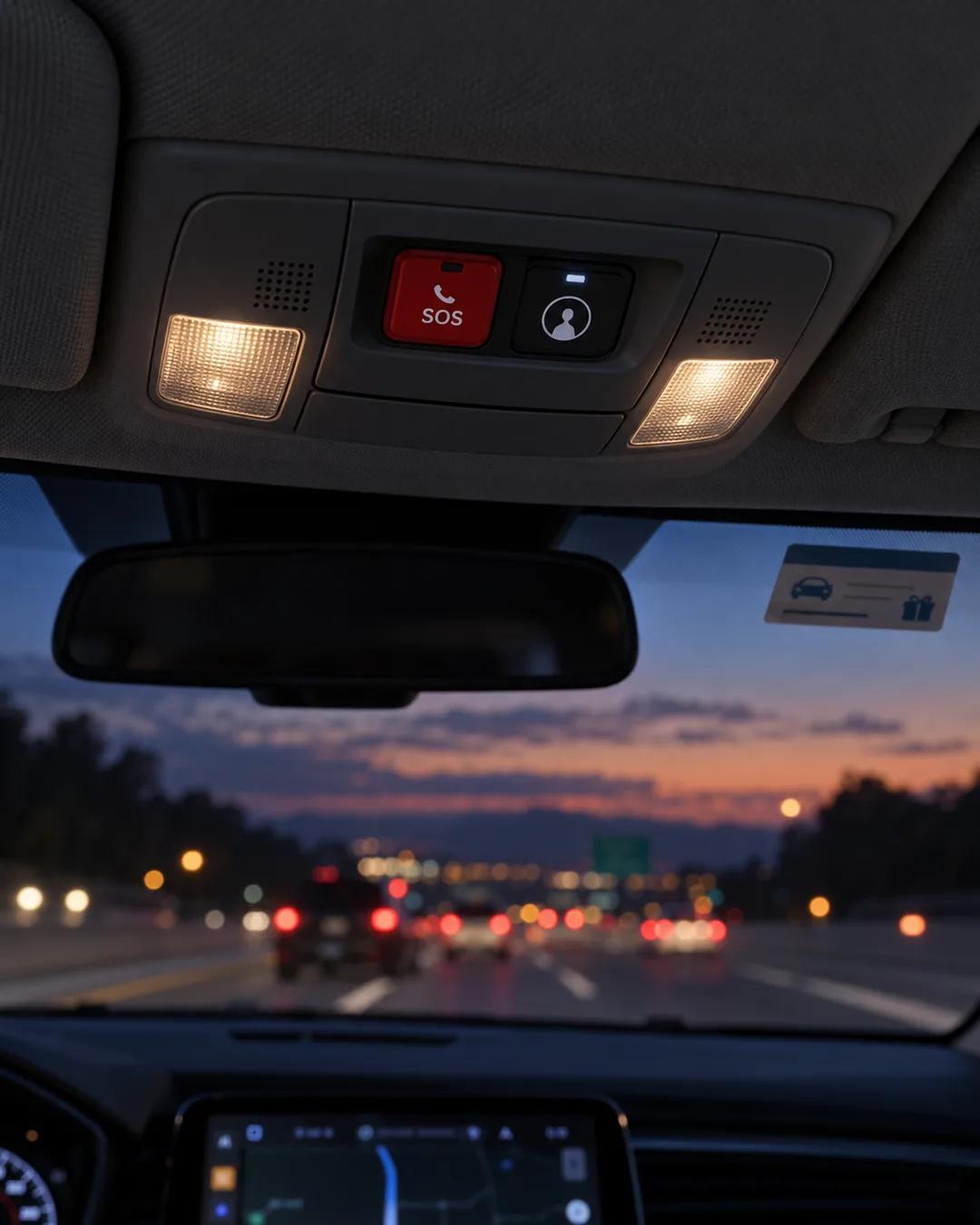
Free first year of car service tracks you

Somewhere in the terms of service, the driver agrees to let the manufacturer collect where the car goes and sometimes how hard the driver brakes.
The data goes to insurance companies, and in some instances the manufacturers cooperate with law enforcement. In other instances they sell it straight to data brokers, who exist to buy car data the same way they exist to buy phone data. A driver who brakes hard too many times may never know it, but the insurance company does, and the rate goes up.
Cars can still be bought without all this. A 2021 car without a cellular chip broadcasts its location to no one, and buying one with no data connection was possible a few years ago.
Why do insurers want braking data?
Usage-based insurance programs record driving behaviors such as hard braking, rapid acceleration, speed, and late-night driving. Insurers treat those behaviors as indicators of crash risk, since studies have linked aggressive driving to claims. Data from a vehicle's own telematics unit can feed those models without a plug-in device. Insurers began offering usage-based discounts through plug-in devices in the 2000s.
How does a car report its location?
Connected cars carry a telematics control unit, a computer with a GPS receiver and a cellular modem. It reads position from satellites and sends it over a mobile network to servers run by the manufacturer or a service partner. The same unit powers crash notification, remote unlock, and stolen-vehicle tracking. It uses its own cellular subscription, so no phone needs to be connected.
What does a car record in a crash?
Most new cars carry an event data recorder, a small module that stores a few seconds of speed, braking, throttle, and seatbelt data around a crash. The National Highway Traffic Safety Administration set standards for what these recorders capture, applying to vehicles built on or after September 1, 2012 that include one.
More from Shawn Ryan Show