Korva is a scroll of the internet’s best ideas.
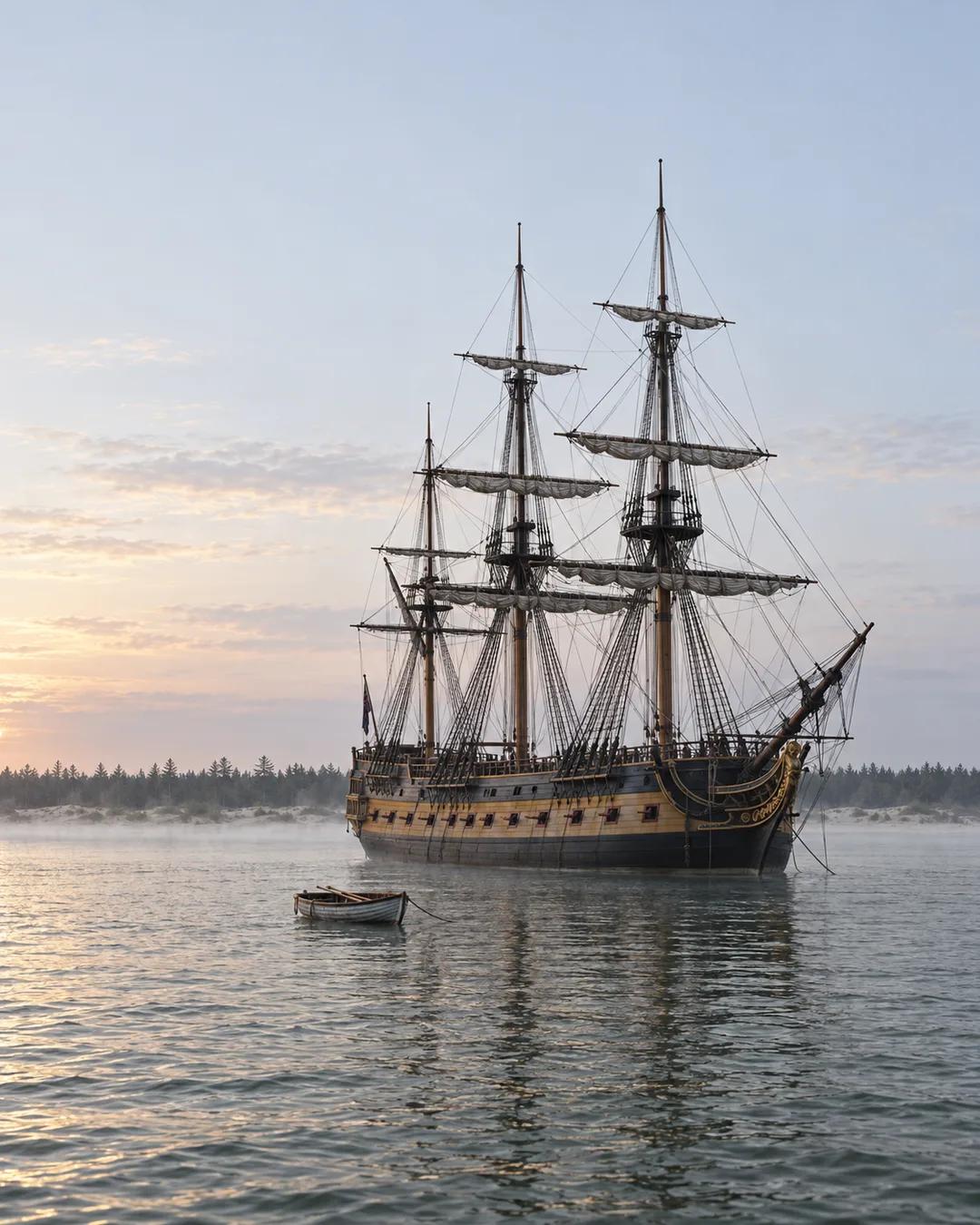
Freedom offered from a warship
The proclamation
Dunmore issued the proclamation from a British warship off the coast of Virginia, because British authority in the colony had broken down completely. He was no abolitionist. The offer was a wartime measure and a measure of desperation, and it covered only enslaved people who fled from rebels.
Reactions in Virginia
It still signaled to enslaved people in Virginia, and eventually beyond, that the British might offer them freedom. Many came over to the British side during the war. Many white Virginians were alienated, because they felt threatened. Jefferson put it among the grievances in the Declaration of Independence, in the line that the king had excited domestic insurrections among us.
The northern states
The northern states unfolded differently. They eventually and grudgingly embraced abolition and enlisted Black soldiers for the patriot cause. Black soldiers fought on both sides of the war, each side offering a different conception of freedom.
How did Dunmore's regiment fare?
Dunmore organized the freed men who reached him into the Ethiopian Regiment, whose soldiers wore sashes reading Liberty to Slaves. Patriot forces defeated his mixed force at Great Bridge in December 1775. Smallpox then spread through the crowded camps and ships in 1776 and killed many of his recruits. Dunmore left Virginia in August 1776.
Why did Dunmore's offer alarm white Virginians?
Virginia's economy rested on enslaved labor, and historians estimate that roughly 40 percent of the colony's people were enslaved by the 1770s. The prospect of enslaved people taking up arms stirred a fear of rebellion that had hung over slaveholders for generations. That fear pushed some wavering colonists toward the patriot cause. Virginia's convention answered in December 1775 with its own proclamation threatening those who joined the British.
How did Rhode Island enlist enslaved men?
In February 1778, Rhode Island's legislature approved enlisting enslaved men, promising freedom to those who served and payment to their owners. The recruits formed the 1st Rhode Island Regiment, often called the Black Regiment. It fought at the Battle of Rhode Island in August 1778. The regiment later served at Yorktown in 1781.
More from Joys of Compounding