Korva is a scroll of the internet’s best ideas.
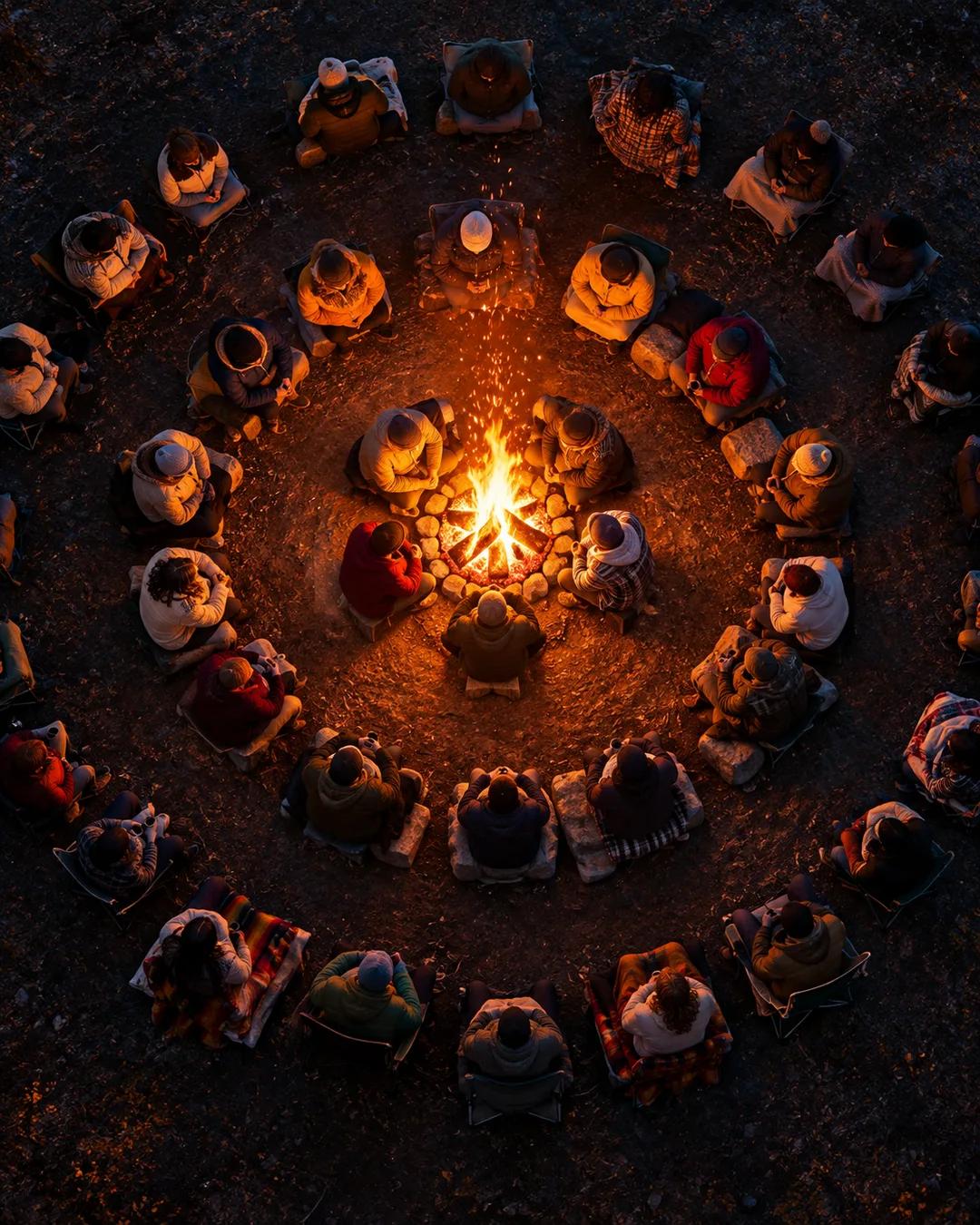
Friendship circles grow by threes

The closest five
Robin Dunbar identified a set of distinct social circles, each about three times the size of the one before. The innermost, which he called the inner circle, holds about 5 people: the close contacts a person tends to talk with at least every week.
The sympathy group
The next circle out has about 12 to 15 people. Social psychologists often call it the sympathy group, defined as the people whose death tomorrow would leave you distraught, and it is made up of people you tend to talk to at least once a month. Teams in sports, juries, and groups of apostles also run to roughly 12 to 15.
The outer layers
Another factor of 3 up is the affinity band, about 50 people who still count as real friends and who you talk to once or twice a year. Dunbar's number, 150, comes next, followed by about 500 acquaintances. At 1,500 comes the limit on the number of people you can actually recognize, and everyone past that is a stranger.
Why do the circles step up by threes?
Dunbar found the layered pattern in sources such as Christmas card lists, phone call records, and online networks. One explanation concerns how limited social time is divided. Dunbar estimates that about 40 percent of a person's social effort goes to the inner 5 people and about 60 percent to the inner 15. Each layer further out gets a smaller share of attention per person.
How do friends drift between circles?
Friendships need regular contact to hold their place in a circle. Research by Sam Roberts and Robin Dunbar found that friendships lose emotional closeness more quickly than family ties when people stop seeing each other. Without that upkeep, a friend tends to slide from an inner layer to an outer one. Relatives in the same research stayed emotionally close even when contact was rare.
More from Half as Interesting