Korva is a scroll of the internet’s best ideas.
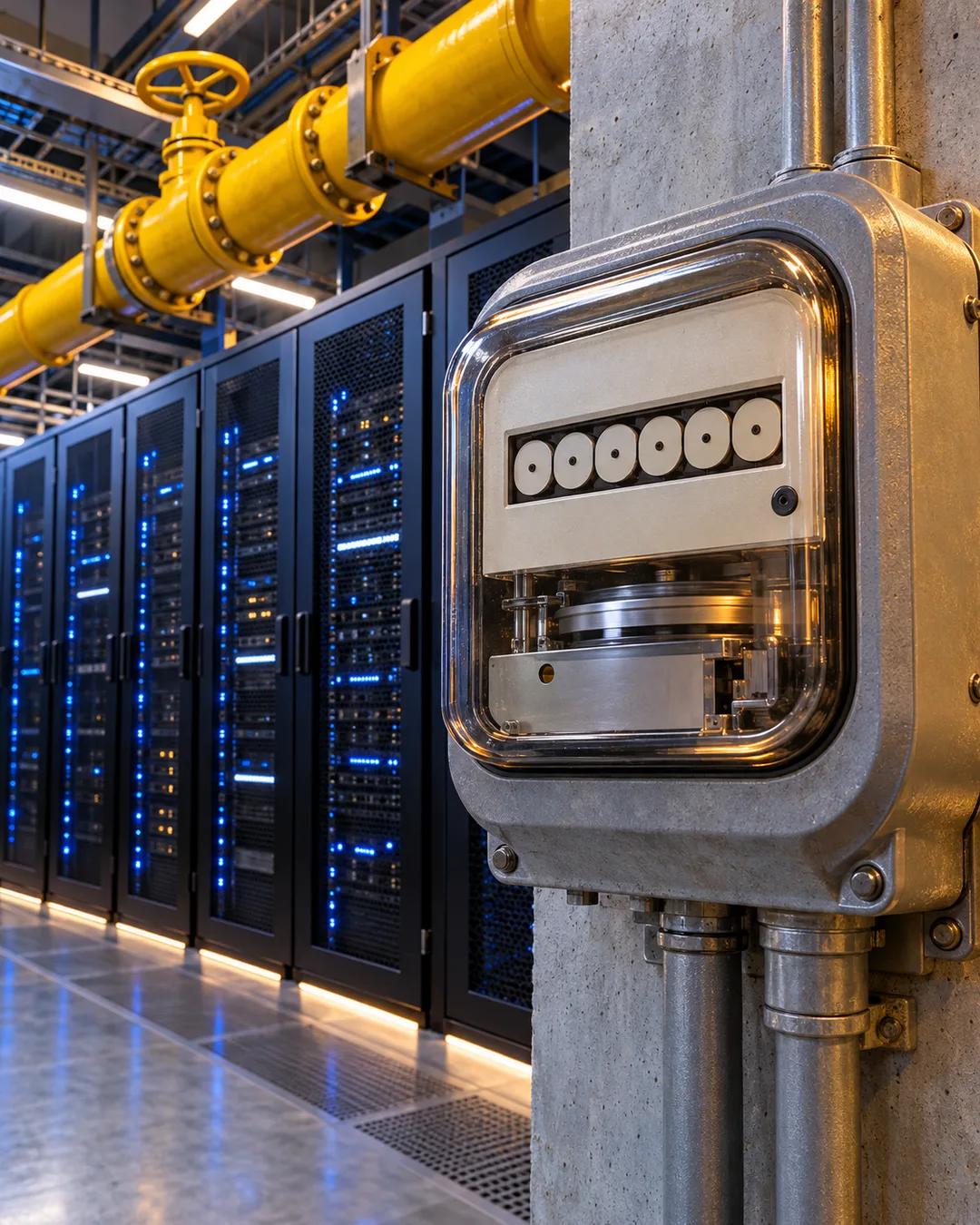
Gas could double AI's energy bill

Depreciation is the biggest cost for the companies building AI data centers, and energy is expected to be around 10%. If the new compute runs on gas and gas doubles or triples structurally, even without bad weather, energy could reach 20 to 30% of the cost of compute by 2029.
Planners are not seeing that, because they price power with the levelized cost of energy, which adds up construction cost and fuel cost, and they take fuel from the natural gas forward curve. That curve is flat or slightly backward out to the mid-2030s, which makes gas look like a cheap, safe fuel to commit to while everyone is rushing to get compute in place.
The closest comparison is DRAM two years ago, when a lack of investment in capacity came due slowly at first and then all at once. A buyer who found out it was suddenly short on memory has the same position a gas buyer could face, only six or more months out rather than two years. Fuel cells are the sharpest case: there isn't enough gas in the system to run them around the clock, so they are treated as backup generation, and running them as base load would add to the squeeze.
What is the levelized cost of energy?
Levelized cost of energy divides the total lifetime cost of building and running a power plant by the electricity it will produce. It lets planners compare gas, solar, wind, and nuclear on one per-megawatt-hour number. Because fuel is a large share of a gas plant's cost, the fuel price assumed in the calculation moves the result a great deal.
Why does depreciation dominate data center costs?
The chips and servers inside a data center are expensive and lose value quickly as newer generations arrive. Companies spread that purchase price over a few years of useful life, so it shows up as a large annual expense. Electricity, by comparison, is a running cost that scales with the hours the machines are on.
How did the DRAM shortage unfold?
Memory makers cut capital spending after price downturns, and new fabrication plants take years to build. When demand from servers and AI accelerators rose, supply could not respond quickly. Prices of memory chips climbed steeply, and buyers who had not secured supply found themselves competing for limited output.
More from Invest Like the Best with Patrick O'Shaughnessy