Korva is a scroll of the internet’s best ideas.
Gate the research, publish the coverage
Building the Research
AI search likes anything new or different that it can cite with statistics, and so does the media. A company works with a research firm to design the questions, the firm runs the survey, and the company turns the results into talking points and a finished report. A PR firm pitches it and usually lands a couple of media mentions.
Gating the Report
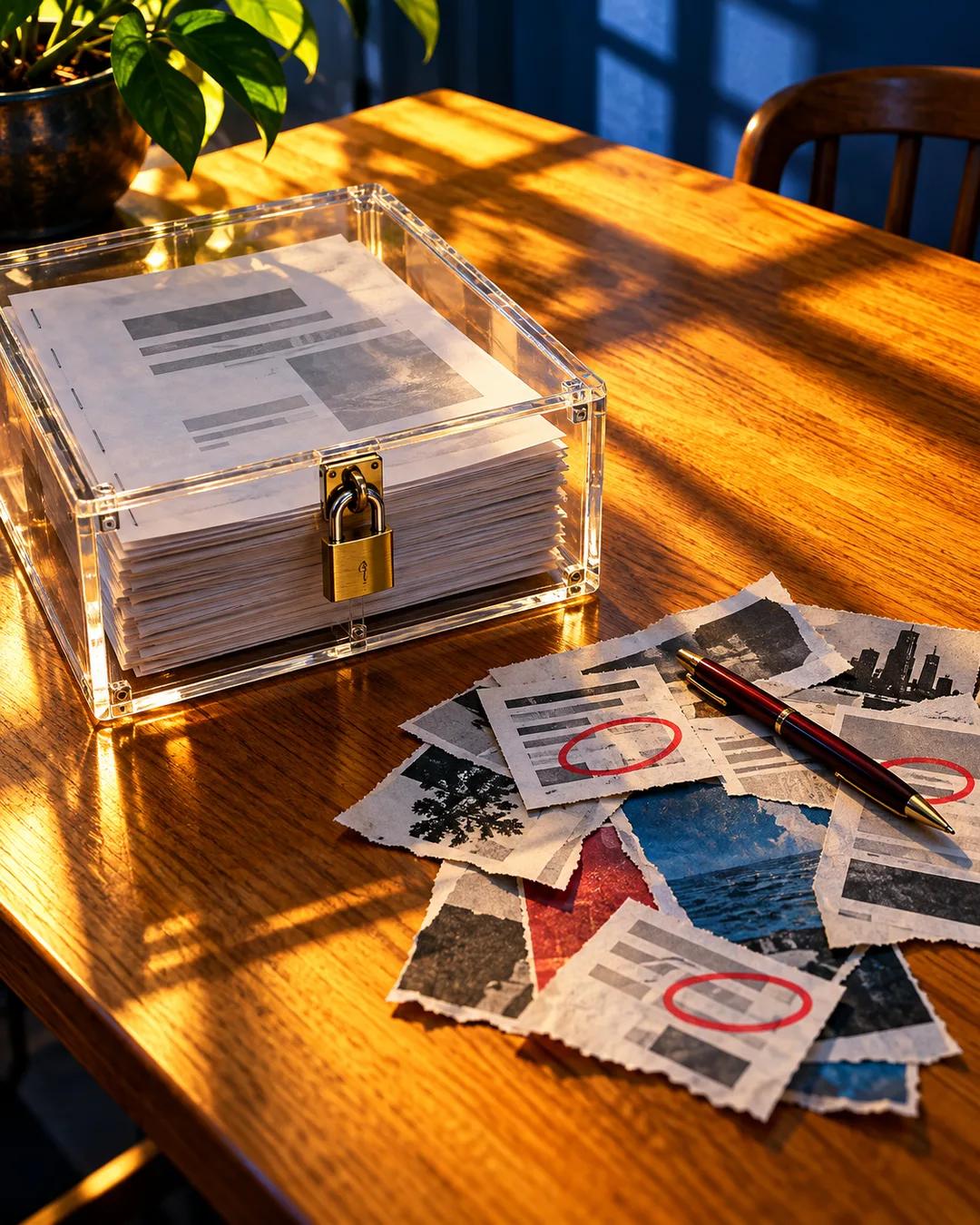
The report goes on the company's website. A LinkedIn document ad can release the first three or four pages and hold back the rest for anyone who hands over their information. Language models cannot read a gated file, but they pick up the research through the coverage that quotes it.
A full report runs about 15 pages, and most people would rather read an article that digests the data for them. The people who want everything fill out the form, and the media exposure sends more readers toward the gated piece.
A Real Example
Unbounce does this every couple of years with its Conversion Benchmark Report, which compares landing page conversion rates across a dozen verticals using 2.5 billion conversions of its own data. As the category leader, the report raises the tide for everyone in landing pages, and the one dataset gives material for podcasts, interviews, and articles.
Why can't language models read gated reports?
The crawlers that feed search engines and AI tools request pages the way an anonymous visitor would. A form that asks for a name and an email stops them, so the file behind it never enters what they can read. A news article quoting the findings sits on an open page, and that page is what a crawler reads. A crawler has no way to fill in a form with a real person's details.
Why does original research earn media coverage?
Journalists constantly need fresh numbers to cite, and a commissioned survey supplies a new figure that did not exist the day before. Survey reports have long been a staple of public relations for that reason. Coverage also links back to the source, and links from news sites are one of the signals search engines have used to judge a page.
What makes a survey credible enough to cite?
Credibility comes from who was asked, how many, and how the questions were worded, since leading wording can push answers in one direction. Pollsters are expected to disclose their methods so others can judge the results. The American Association for Public Opinion Research runs a Transparency Initiative that asks member organizations to publish those details.
More from Embracing Marketing Mistakes