Korva is a scroll of the internet’s best ideas.
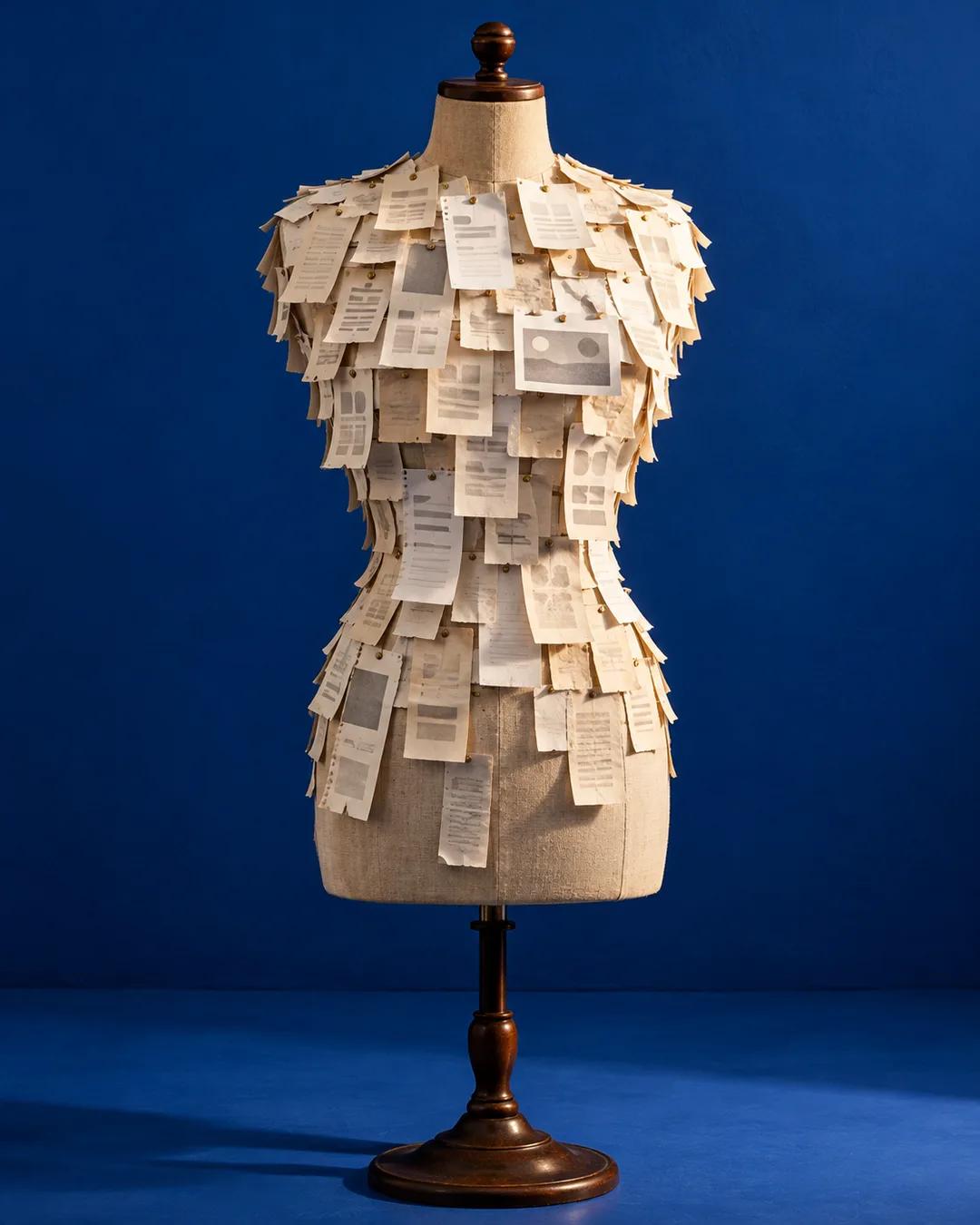
General Mills built an AI named Lisa

Meet Lisa
Lisa is assembled from interviews, social media, and sales data, and she advises the company's product development teams. General Mills calls these digital stand-ins AI personas, and Lisa is one of several. The company credits doubles like her with helping it develop a GLP-1 friendly brand that debuts soon.
Data from everywhere
Other food makers are mining data too. Conagra sifts through credit card data and social media posts, along with late-night delivery orders, fast food menus, and what people talk about on Reddit, to work out what customers are looking for.
Why not a focus group
A persona is faster and broader than a focus group. Testing with Lisa takes a fraction of the time that traditional testing requires, and she is built on an immense amount of data, so she represents the average of her cohort. A single person in a focus group is one specific individual, which makes their input anecdotal rather than data-based.
How do AI personas answer questions?
Companies give a language model a profile built from interviews, surveys, and purchase data, then ask it questions in character. In a 2023 paper in Political Analysis, Lisa Argyle and colleagues at Brigham Young University found that models given demographic backstories reproduced the survey answer patterns of matching real groups. They called these simulated respondents silicon samples.
Why do focus groups distort opinions?
People in a room shift their answers toward the group. In Solomon Asch's conformity experiments in the 1950s, participants gave an obviously wrong answer about the length of a line in about a third of trials after hearing others do so. Loud voices can also dominate a session, and a focus group is typically six to ten people. Market researchers call the habit of answering in ways that look good social desirability bias.
Where did the idea of personas come from?
Software designer Alan Cooper popularized personas in the 1990s. He gave each fictional user a name, a job, and goals so designers could ask what that person would do. He described the method in his 1999 book, The Inmates Are Running the Asylum.
More from The Journal.