Korva is a scroll of the internet’s best ideas.
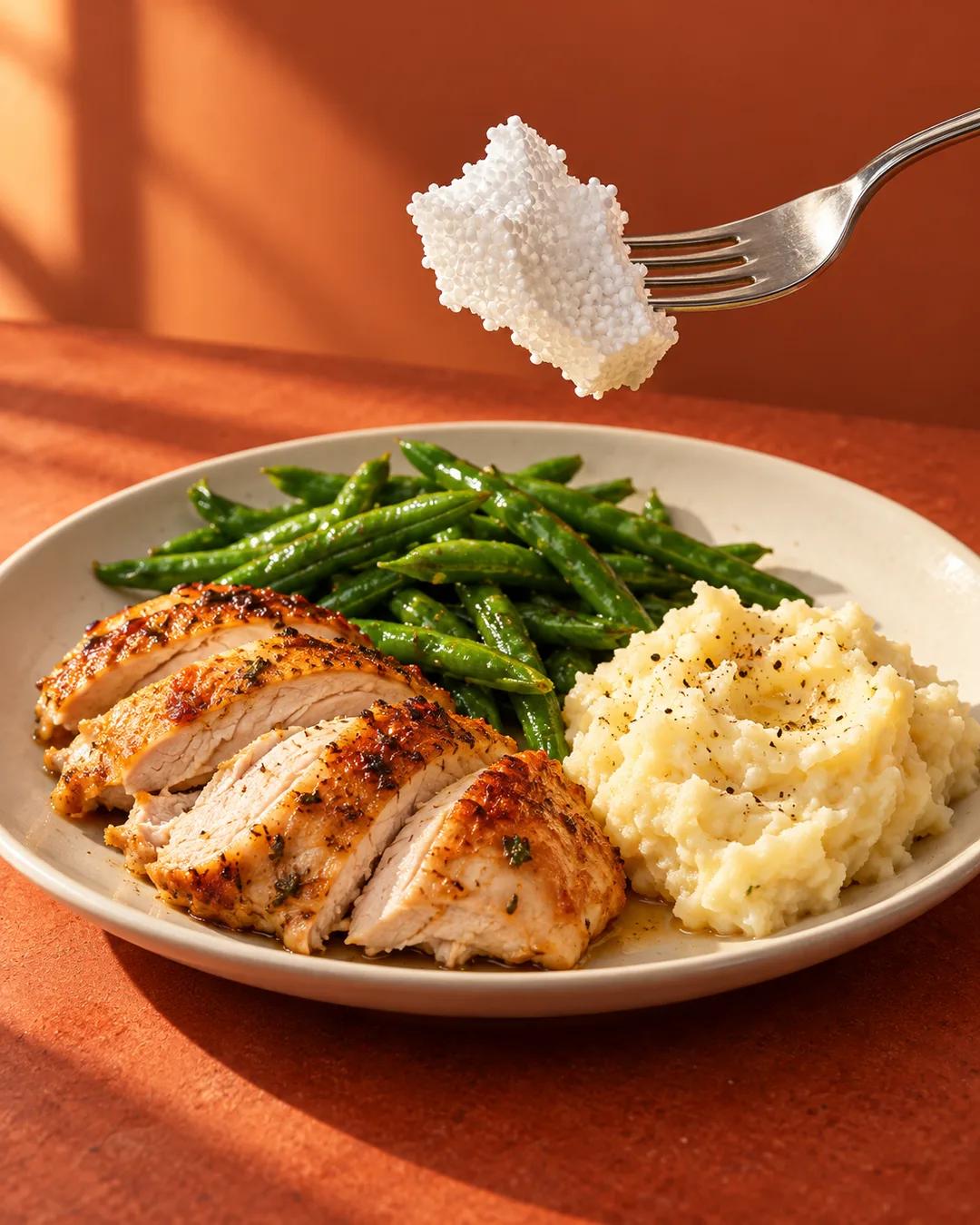
GLP-1s make food taste like styrofoam

Food loses its flavor
Alongside the shrinking appetite, a well-documented side effect of these medications keeps people from experiencing flavor the way they used to. Sweetness, saltiness, and sourness all come through impaired. For the first couple of months on Wegovy, one man's meals tasted like styrofoam, and things he once loved stopped tasting good.
Other users describe the same thing online: a strange metallic taste in the mouth, Diet Cokes that taste off, and food that no longer tastes like itself. For another user, starting a GLP-1 completely changed both a diet and the taste buds that go with it.
Cravings shift
Cravings change too. A study by PwC found that GLP-1 users are most likely to turn away from salty snacks and baked goods, along with alcohol and other products built on cravings.
Why would a drug change how food tastes?
GLP-1 is a hormone the gut releases after a meal, and these drugs copy it to tell the brain the body is fed. Studies in mice have found that taste cells on the tongue also produce GLP-1 and carry receptors for it, which suggests the hormone helps tune taste signals. The receptors also appear in brain regions that process taste and reward.
How do the drugs shrink appetite?
They bind to GLP-1 receptors in brain areas that regulate hunger, including the hypothalamus and brainstem. They also slow the emptying of the stomach, so food lingers and fullness lasts longer. In the pancreas the same receptors prompt insulin release when blood sugar is high, which is why the drugs were first approved for type 2 diabetes. Semaglutide, sold as Ozempic and Wegovy, was approved for diabetes in 2017.
Why would cravings for salty snacks drop?
GLP-1 receptors also sit in the brain's reward circuitry, including the ventral tegmental area and the nucleus accumbens, the pathway that makes food and drink feel rewarding. Studies in rats have found that GLP-1 drugs reduce how much food and alcohol the animals work to get. That fits the PwC finding that alcohol sat alongside salty snacks among the things users turned away from. The nucleus accumbens is also where dopamine release tracks how rewarding a food is.
More from The Journal.