Korva is a scroll of the internet’s best ideas.
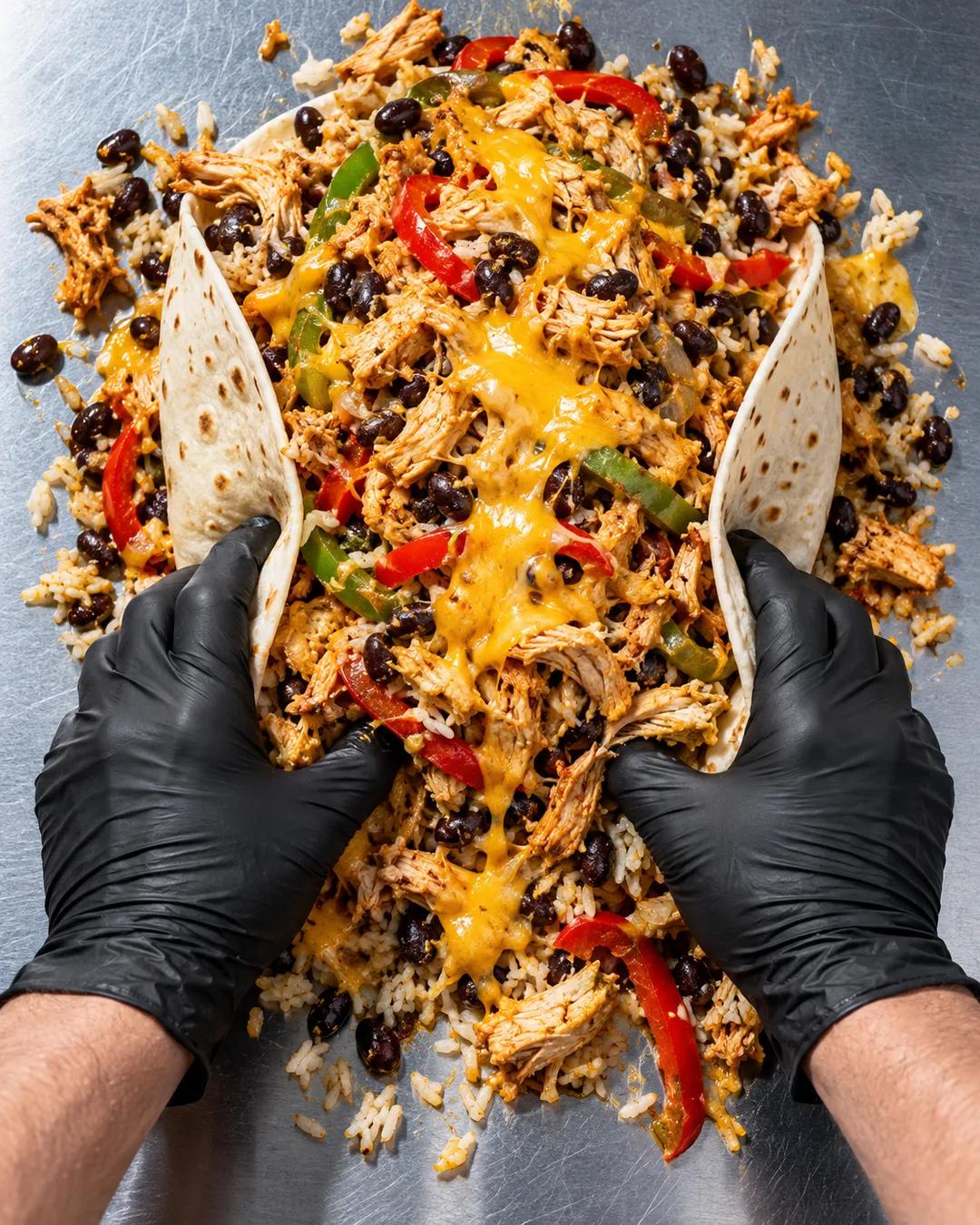
Too much protein for a tortilla

The protein problem
Health-minded shoppers, GLP-1 users among them, are looking for more protein and more fiber, and protein is hard to pack in. It sits heavy and tends to run high in calories. Picture a pizza with 120 grams of protein: it would use up a person's entire daily calorie limit, and they would need a nap afterward.
Factory limits
Chefs at big food companies work through a lot of trial and error to find the balance between what shoppers want and what a factory can actually make. The burrito prototype was scrapped for exactly that reason.
The recipe that worked
One recipe from the Conagra test kitchen did land. The Buffalo mac and cheese carries 40 grams of protein, with a lot of chicken in it, and its label is built to stress that. It runs a little higher in calories and comes in a larger portion, a trade the chefs made with GLP-1 users in mind, and it tastes rich and decadent.
Why is protein hard to pack in?
Protein supplies about 4 calories per gram, the same as carbohydrate, so 40 grams brings about 160 calories before any other ingredient is counted. Protein-rich ingredients such as whey also soak up water, which can make doughs and sauces thick and dry. Meat and cheese, the usual sources, add bulk and fat at the same time. Fat carries about 9 calories per gram.
Why do tortilla sizes limit burritos?
Frozen burritos are typically wrapped by machines that fold a flat tortilla around a measured scoop of filling. A tortilla stretches only so far before it tears at the seam, which caps how much filling fits. The size also has to suit a microwave tray and a standard box. A flour tortilla loses strength as it steams in a microwave, so an overfilled seam is the first place to burst.
Why does protein keep people fuller?
Protein raises the release of gut hormones such as GLP-1 itself and PYY, which signal fullness to the brain. Digesting protein also burns more energy than digesting other nutrients. A 2004 review by Halton and Hu in the Journal of the American College of Nutrition put the share of calories spent on digestion at 20 to 30 percent for protein, 5 to 10 percent for carbohydrate, and 0 to 3 percent for fat.
More from The Journal.