Korva is a scroll of the internet’s best ideas.
Go at the pace society allows

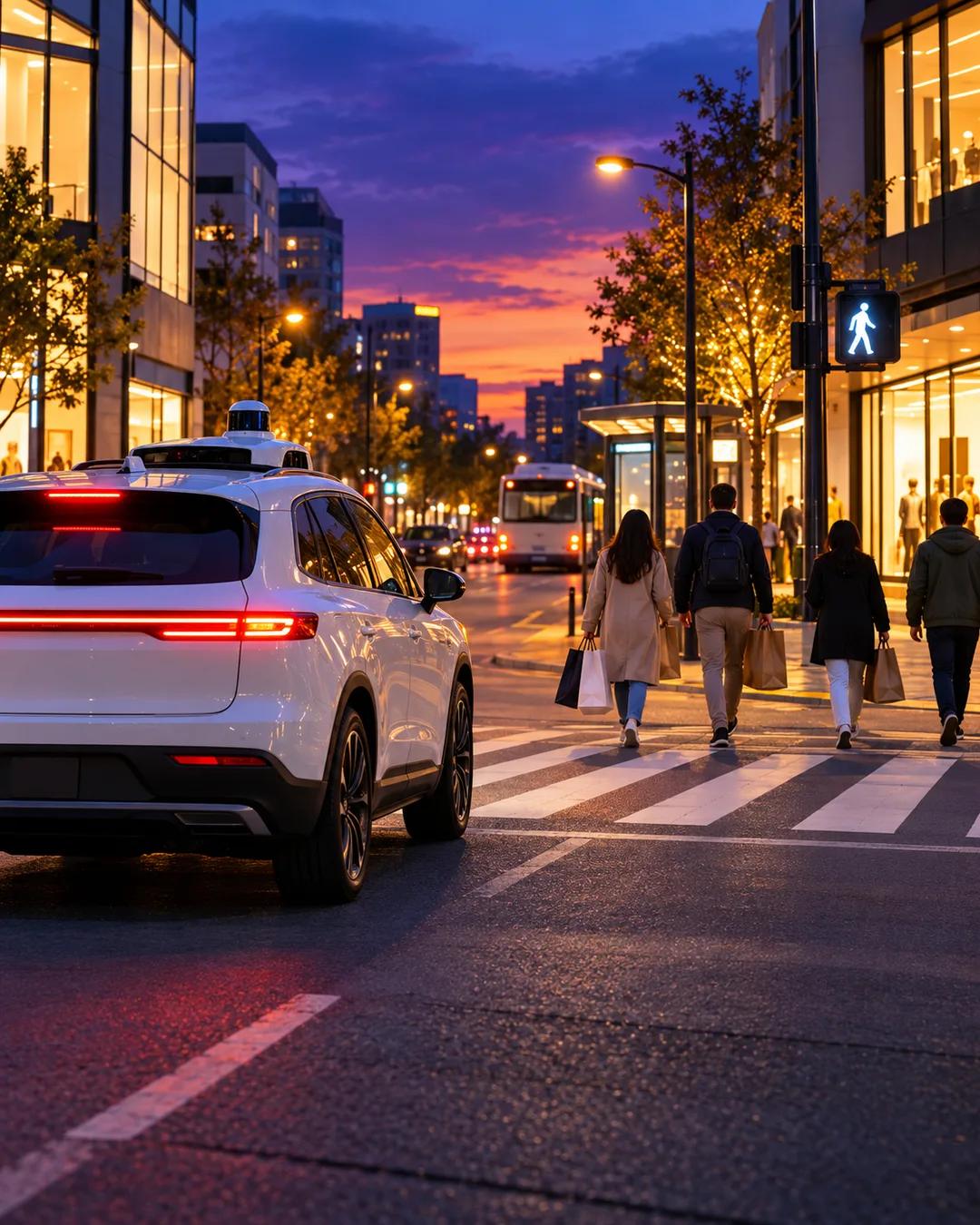
AI is powerful and unpopular with the general public. For most people, a model that makes search a little better matters less than worries that it will drive up their electricity costs or cost a cousin a job. Autonomous vehicles raise the same worries, along with questions about how they work with emergency service providers and how to make them available to everybody, not only the wealthy.
In Austin and Atlanta, where Uber has two big partnerships with Waymo, drivers on the platform are making more money, and the number of drivers joining is increasing. AVs look like they are adding incremental demand to the platform. Uber still has to hold dialogues with regulators, with people living in cities, and with drivers whose earnings may be affected.
When have societies pushed back on new vehicles?
Britain's Locomotives on Highways Act of 1865 required a person to walk ahead of a self-propelled road vehicle carrying a red flag. The law capped speeds at 4 miles per hour in the country and 2 in towns. Parliament removed the red flag requirement in 1896.
Who regulates driverless cars in America?
At the federal level, the National Highway Traffic Safety Administration sets safety standards for vehicle equipment and design. States control driver licensing, traffic law, and whether and how a vehicle may operate on their roads, so rules differ from state to state. The agency was created by the Highway Safety Act of 1970.
More from Invest Like the Best with Patrick O'Shaughnessy