Korva is a scroll of the internet’s best ideas.
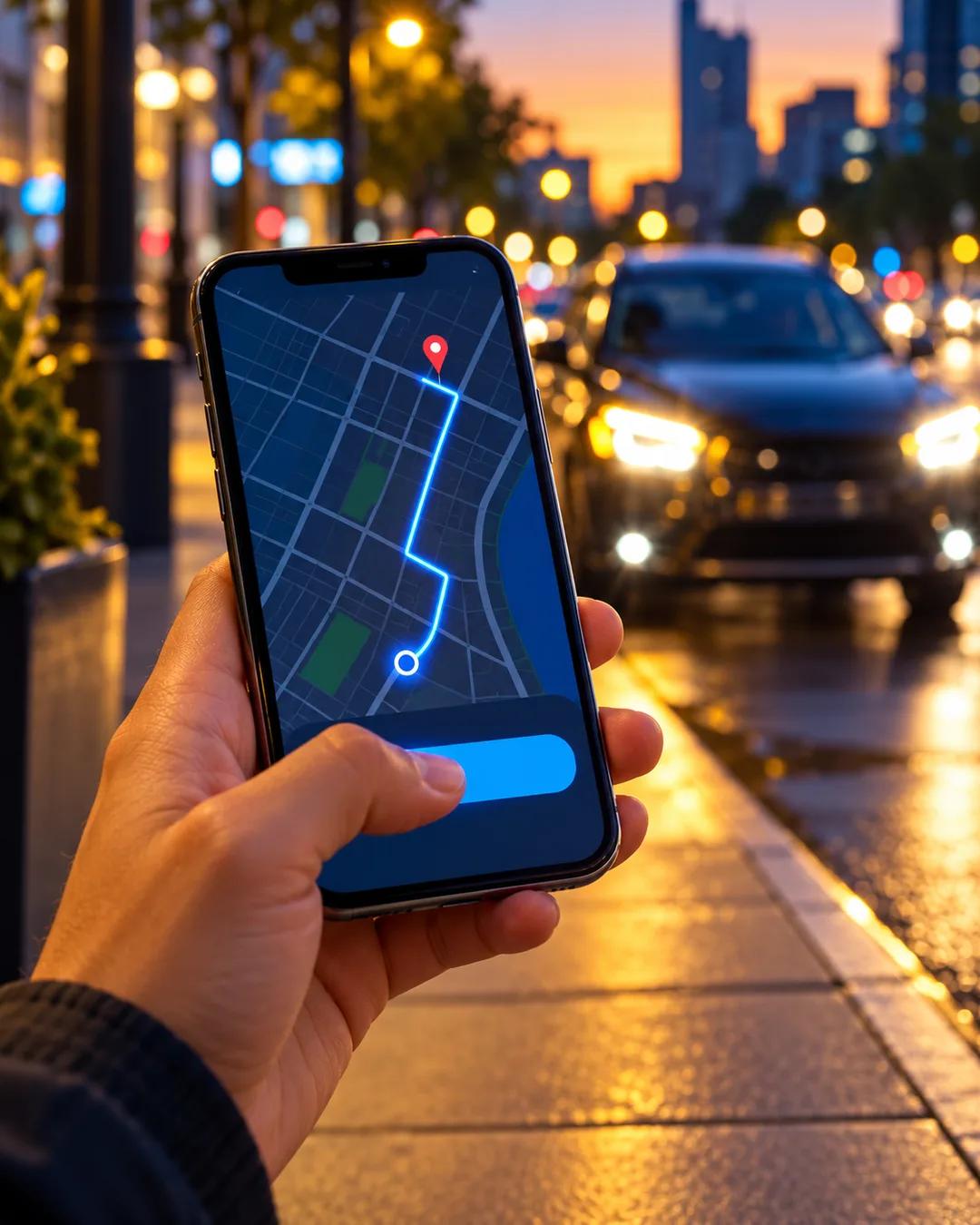
Uber guesses three of four destinations

The feed and search models are probably 10,000 times bigger than the older ones, and they take in much more data about each person to predict what they will look for. Universal search is one result: a search is not sorted into rides, Eats, or grocery, and it shows everything available across Uber's services.
Larger models also anticipate what is happening in the real world much more effectively. Uber has long used AI tools to deal with what goes wrong there, such as traffic, a driver canceling, or food running late. The one-tap destination guess can only improve as the models get larger.
How well can apps predict where people go?
A 2010 study in Science by Chaoming Song and Albert-Laszlo Barabasi's group tracked the mobile phone movements of 50,000 people and found that human trips are highly regular. They estimated that a person's location was potentially predictable 93 percent of the time, with little variation across users. Most of that regularity comes from returning to a small set of familiar places.
Why do bigger models predict better?
In 2020, researchers at OpenAI led by Jared Kaplan reported that language-model error falls in a smooth, predictable pattern as model size, data, and compute grow. These relationships are called scaling laws. Later work found that data and model size should grow together for the best results, as described in a 2022 DeepMind paper known as Chinchilla.
More from Invest Like the Best with Patrick O'Shaughnessy