Korva is a scroll of the internet’s best ideas.
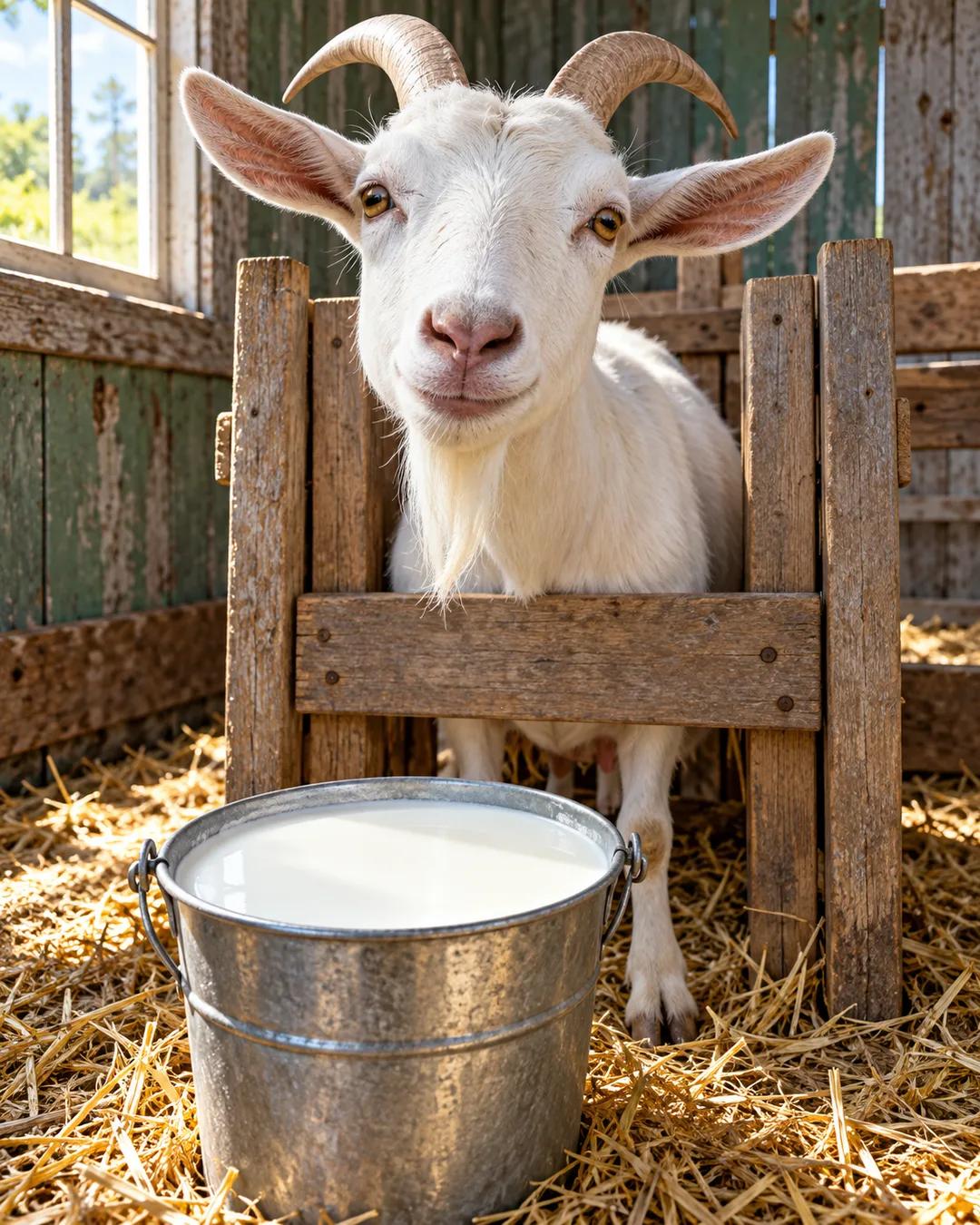
Goats given spider silk genes
Goats came after simpler protein factories. By the late 1990s, researchers at DuPont had put the genes for spider silk proteins into E. coli and yeast, where one engineered cell quickly becomes millions. In 2001, a team in Germany tried the same with tobacco and potatoes.
Milk looked even better, because mothers pack it with protein to feed their young. Every method produced spider silk proteins.
From E. coli or yeast, the proteins were purified as a fine white powder. From plants, they formed a viscous, gelatin-like liquid. From goats, they stayed dissolved in the milk. None of these even vaguely resembled spider silk.
Why did bacteria struggle to make spider silk?
Spider silk proteins are very large and made of long, repeated stretches of the same amino acid sequences. Bacteria such as E. coli tend to cut those repeats short or delete them, so they often produce smaller proteins than a spider does. Mammary cells handle large proteins better, and milk can be collected again and again. Nexia branded its goat-milk protein BioSteel.
Why isn't spider silk protein already silk?
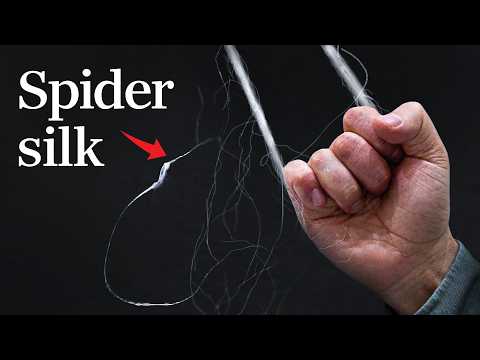
A spider does more than make the protein. The fiber forms as the dissolved protein is squeezed, stretched, and chemically changed on its way through the spinning duct, which lines the molecules up. Researchers imitate this by forcing a concentrated protein solution through a fine needle into a bath. Wet spinning into an alcohol bath such as isopropanol is a standard way to turn dissolved silk protein into a fiber.
More from Veritasium