Korva is a scroll of the internet’s best ideas.
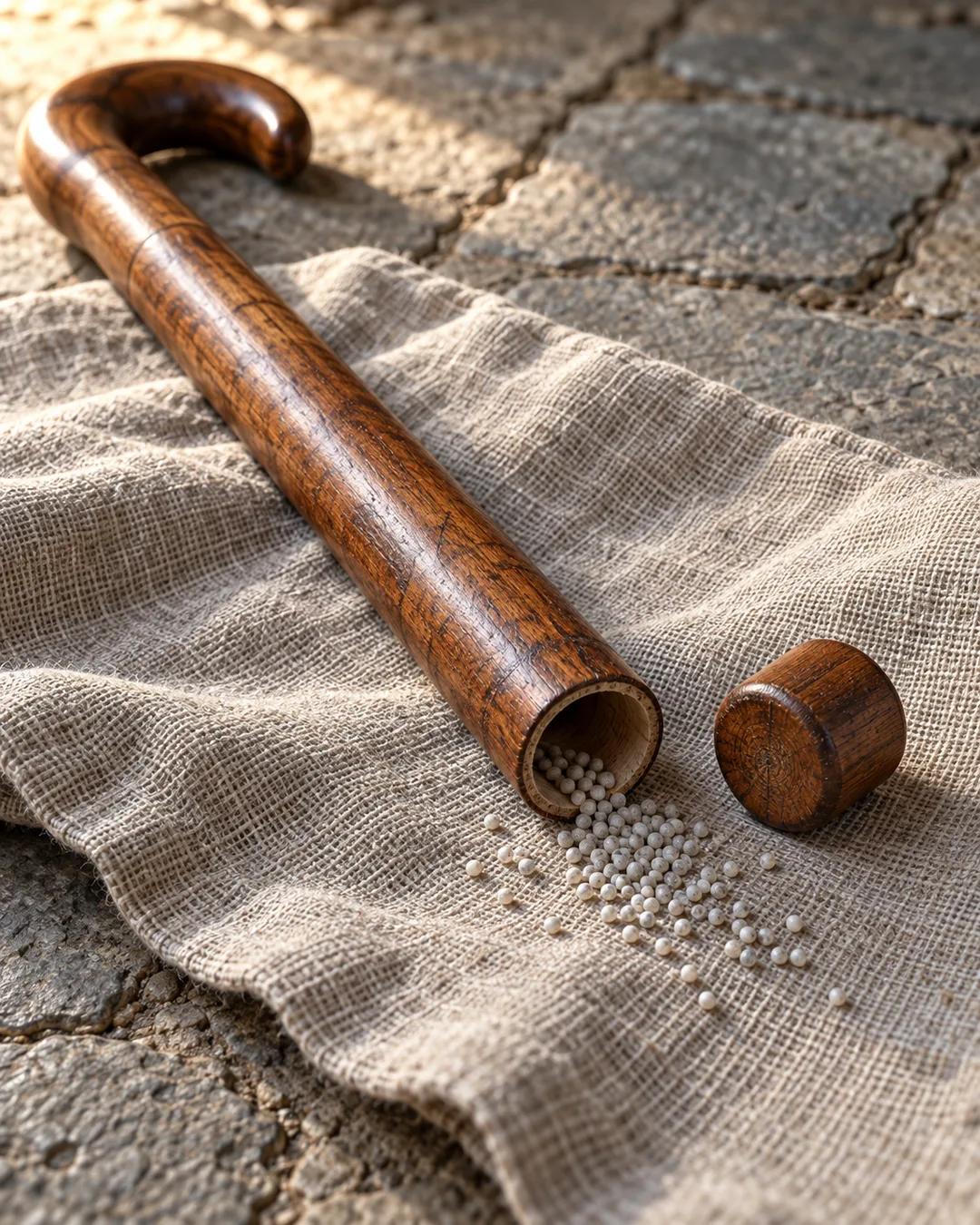
Monks smuggled silkworm eggs in canes
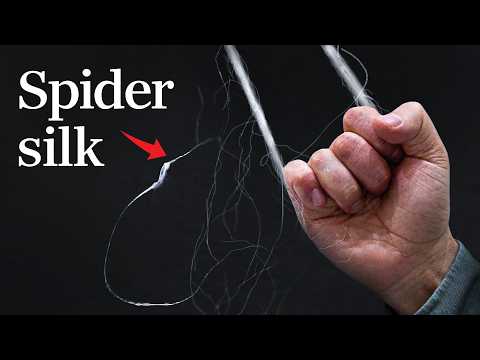
The silkworm legend
Silk comes from silkworms, the caterpillars of the domesticated silk moth, and people have farmed them for nearly 5,000 years. Legend has it that a Chinese empress was relaxing in her garden when a cocoon fell into her teacup. The hot water loosened it, and when she lifted it out, it unraveled into a single shimmering thread long enough to stretch across her whole garden.
Silk dressed emperors and spurred the trade between East Asia and Europe that gave the Silk Road its name. China guarded the secret of making it for nearly 2,000 years, and people kept trying to steal it.
Justinian's smuggling plot
By the middle of the sixth century, Byzantium was in trouble. Plague had devastated its population, and buying silk was draining its gold. Most of the silk came through Persia, the very empire Byzantium was fighting. Emperor Justinian made a secret deal with two monks: travel east, find the source of silk, and smuggle it back. They returned with the eggs hidden inside their hollow canes. It may be the first recorded case of industrial espionage.
Why did silk spread along caravan routes?
Silk is light and durable and sells for a high price per unit of weight, which made it well suited to long overland trips by camel and pack animal. Roman writers complained about the gold that flowed east to pay for it. The name Silk Road itself is modern: the German geographer Ferdinand von Richthofen coined it in 1877.
How did people domesticate the silkworm?
The domesticated silk moth, Bombyx mori, descends from a wild moth native to China, Bombyx mandarina. Genome comparisons, including a 2009 study in the journal Science led by Qingyou Xia, point to the wild species as its ancestor. Centuries of breeding produced caterpillars that grow quickly and spin large cocoons. The adult moths cannot fly and depend on people to survive.
Where does the monks' story come from?
The account comes from Procopius of Caesarea, a historian who wrote in the sixth century during Justinian's reign. Procopius says the monks brought the eggs to Constantinople and showed the emperor how to raise the worms. Silkworm eggs hatch when temperatures rise, so they have to be kept dormant on a long trip, and the worms eat mulberry leaves only.
More from Veritasium