Korva is a scroll of the internet’s best ideas.

Spider silk cut his fingers
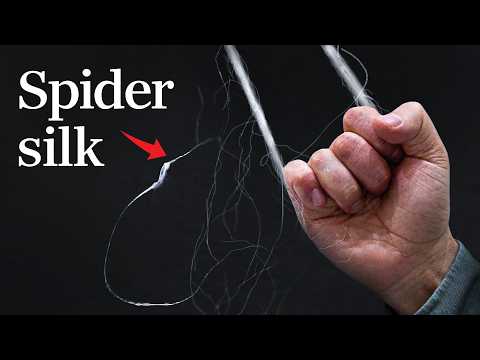
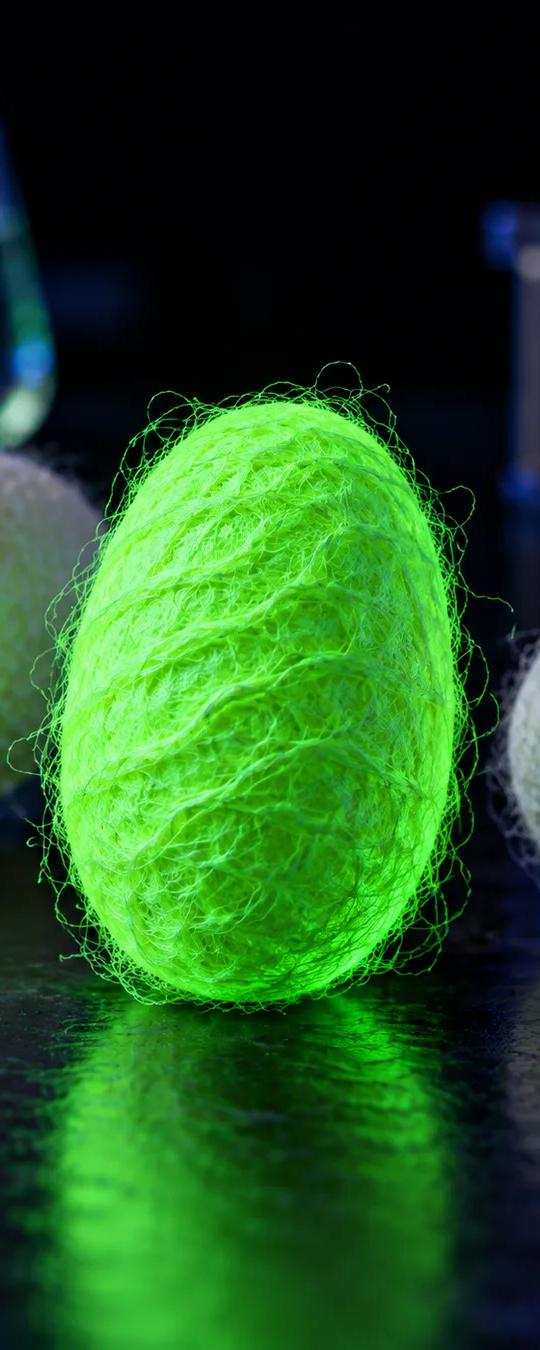
The question was whether silk could do for a person what webs do for Spider-Man. The silk waited under a dirty dish towel: one continuous filament, though each strand is actually 10 individual silk filaments connected together. It came from silkworms carrying spider genes, so it was transgenic silk, not silk taken from spiders.
The man hung from the strand and swung from it. It held up, and the strand looked uninspiring for something that strong.
Then Derek climbed higher for a bigger test, and the silk felt like it was going to dig into his fingers. It did. A strand this thin and this strong cuts straight through skin and rips you open.
Why does a thin, strong thread cut skin?
Pressure is force divided by the area it acts on. A very thin fiber puts the force on a tiny strip of skin, so the pressure there becomes enormous even when the pull is modest. If the fiber is also too strong to snap, the skin gives way first. Braided fishing line made of ultra-high-molecular-weight polyethylene is known for cutting through skin in the same way.
Why would silkworms make good spider silk factories?
A silkworm's silk glands already turn most of the caterpillar's food into one protein, fibroin, and spin it into a cocoon. A cocoon is roughly 75 percent fibroin, with the rest mostly a gum called sericin. Putting spider genes into the worm means the existing glands can make the spider protein, and the farming methods for silkworms are already established. A 2012 study in Proceedings of the National Academy of Sciences, led by researchers including Randy Lewis and Donald Jarvis, reported silkworms spinning silk that contained spider silk protein.
More from Veritasium