Korva is a scroll of the internet’s best ideas.
Google won schools with free email
The free package
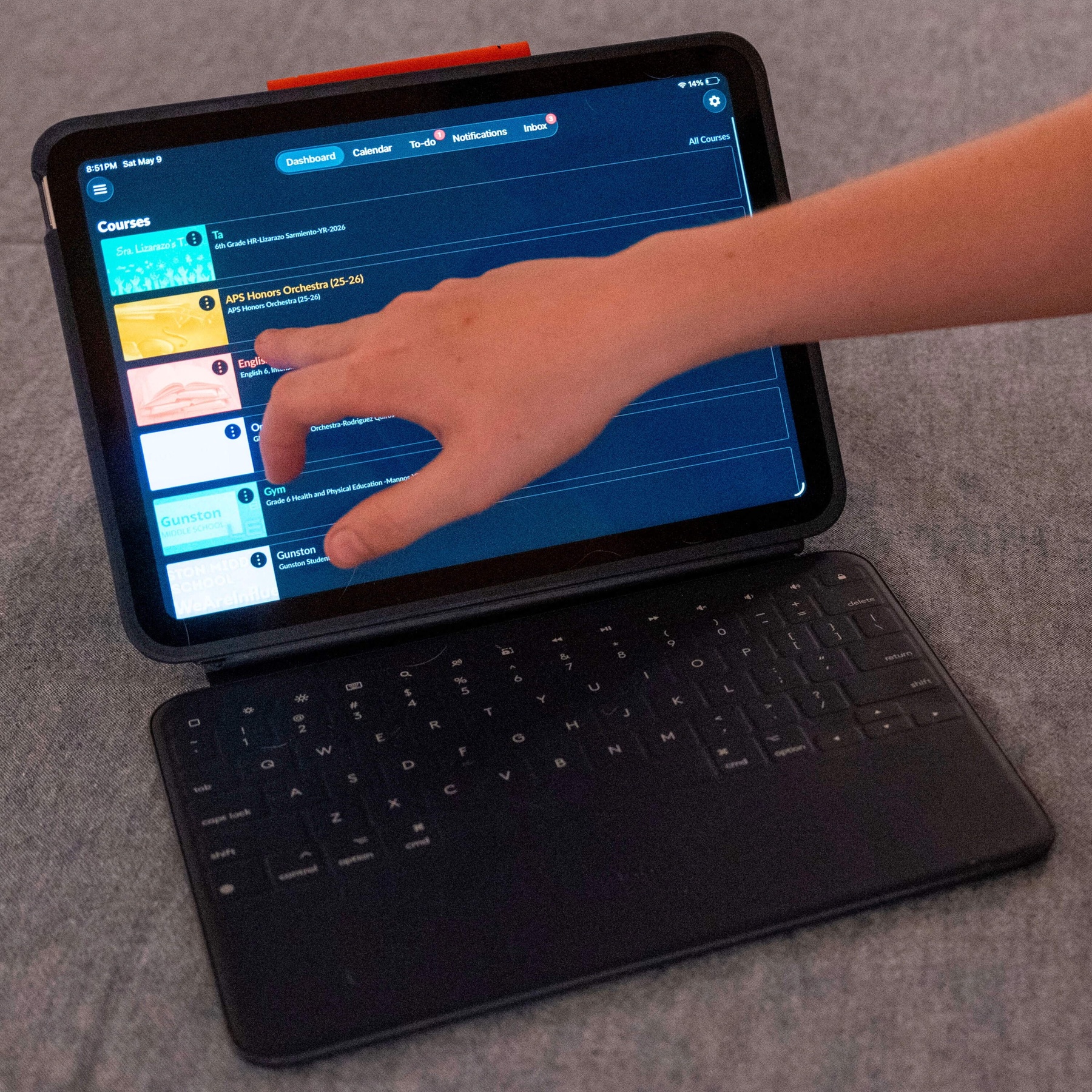
In the early 2000s, universities and schools paid a lot of money for legacy software systems like email. Google's free package let tens of thousands of students move over at once. After major universities switched to the Google apps, huge school districts like Chicago Public Schools followed.
The Chromebook
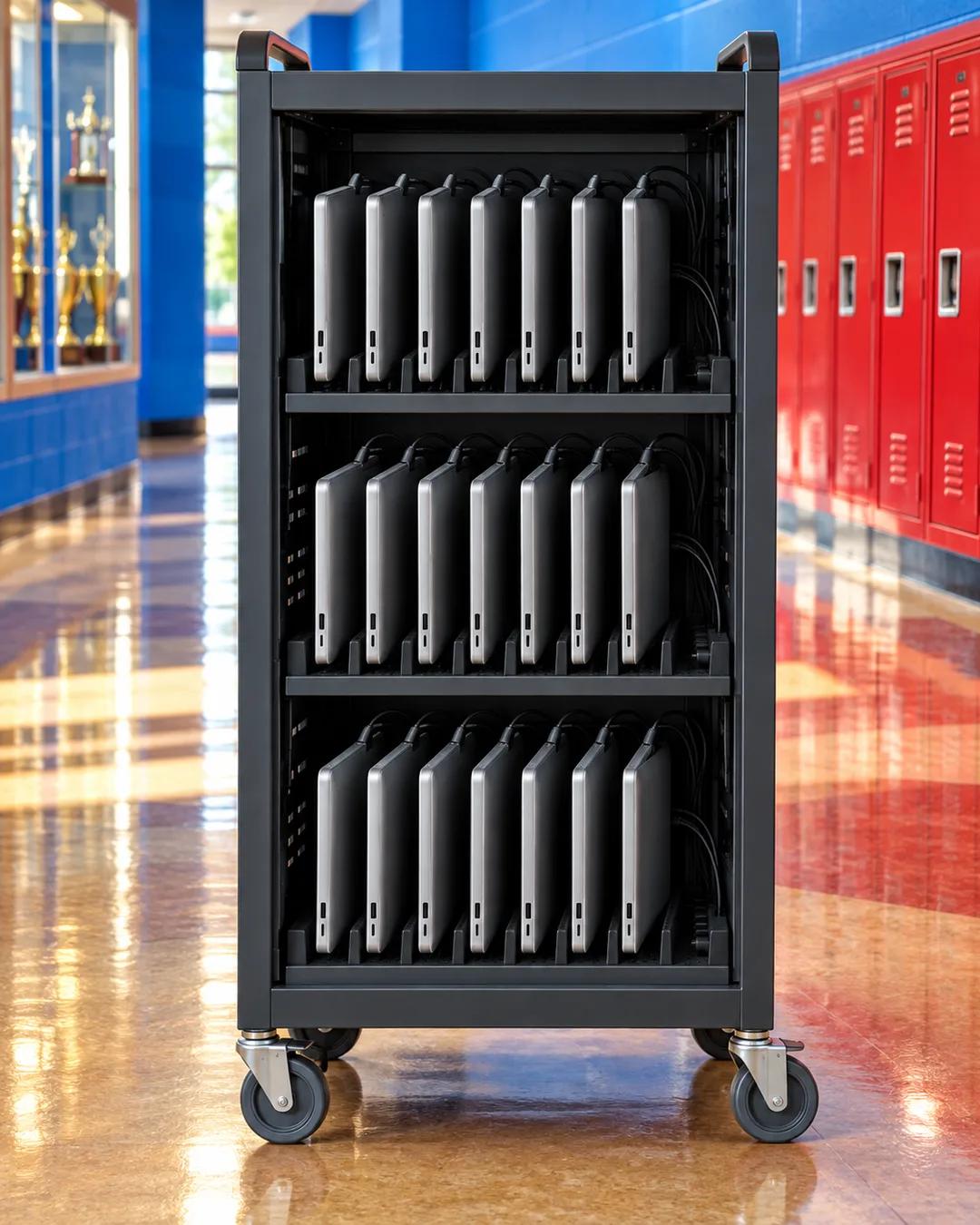
Once Google dominated the school software market, it launched the Chromebook, a sturdy laptop that ran on Google's operating system and stayed connected to the internet. Every student's documents lived in the cloud, and schools began buying the laptops in bulk.
The equity pitch
The pitch was access: the laptops were cheap and sturdy, every kid could have one, and they would teach career skills. The message to schools tied laptops to equity and democracy. Many districts now call themselves Google districts, and a district that already runs on Google's apps can turn on Gemini for its students with the software already in place.
Why did universities drop their own email systems?
Running campus email meant buying servers, storing messages, and paying staff to maintain it all. Google launched Apps for Education in 2006 and offered the service at no charge to schools. Arizona State University was among the early large adopters. Google later renamed the program Google Workspace for Education.
What makes a Chromebook cheap and sturdy?
ChromeOS is a lightweight operating system built around the Chrome browser, so it needs less storage and a slower processor than a traditional laptop. Most work happens in web apps with files saved in the cloud, so a broken laptop can be swapped for another without losing anything. Administrators can also manage hundreds of machines from one console. Google announced ChromeOS in 2009, and the first Chromebooks went on sale in 2011.
How did Chromebooks overtake other school laptops?
Low prices, simple management, and a free bundle of apps made Chromebooks easy for districts to buy in bulk. The market research firm Futuresource Consulting reported that Chromebooks made up more than half of the devices shipped to American K-12 schools by 2017. Apple and Microsoft responded with cheaper classroom products of their own. Chromebooks have remained a leading school device in the United States since.
More from Fresh Air