Korva is a scroll of the internet’s best ideas.
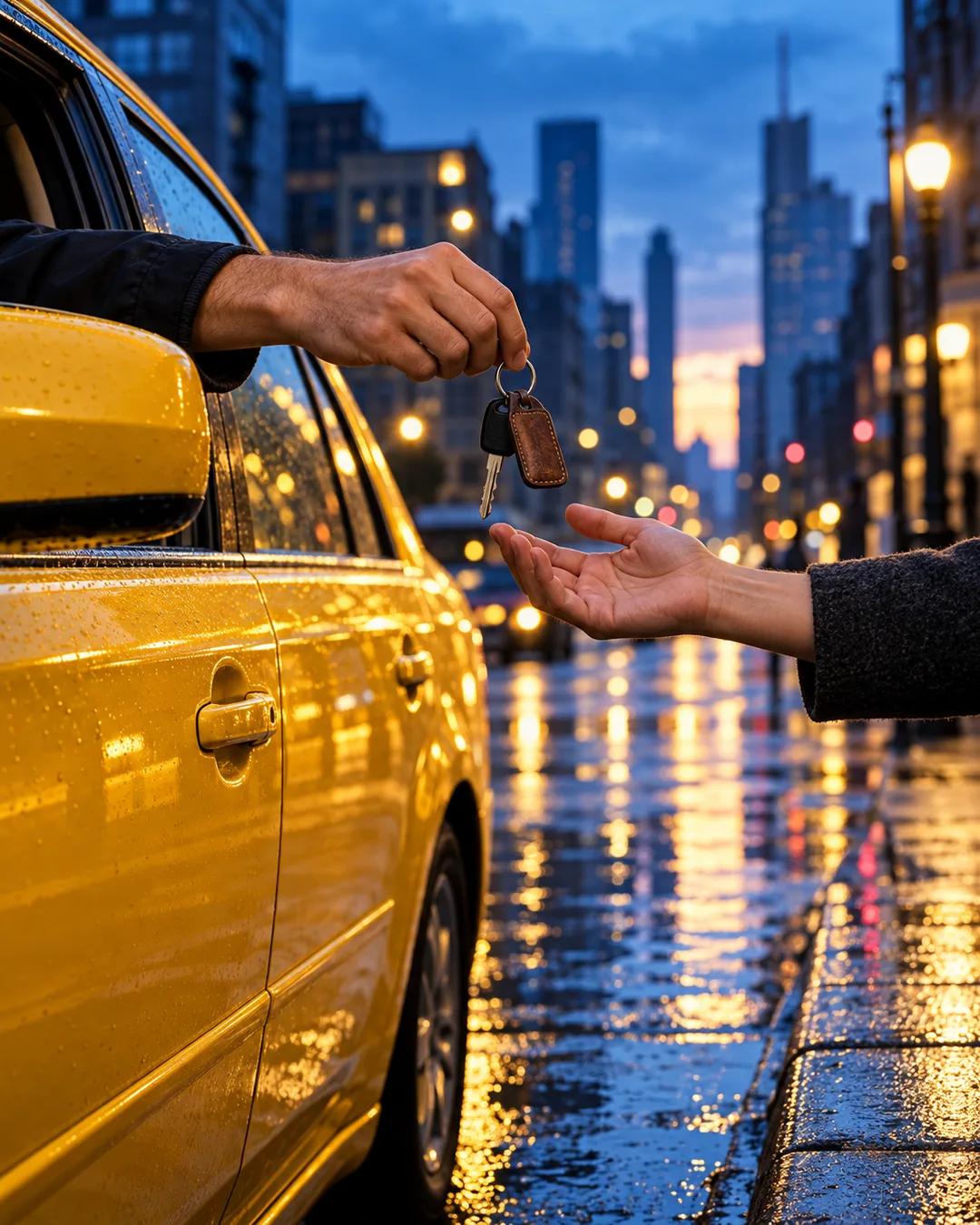
Grandpa's free taxi license

How licenses began
In the early 1900s, people in New York started picking up citizens who needed a ride across town and charging for it. The city decided to license the work and set rules of the road. Anybody could get a license for free, as long as they weren't a felon, and the number of licenses grew to somewhere around 13,000.
The lobbying that built scarcity
Then the 13,000 license holders lobbied the city to hand out no more, and the city agreed. Demand kept rising as New York grew, while the number of licenses stayed fixed. The holders lobbied again for the right to sell a license to someone else, which created the medallion and its artificial scarcity. They lobbied once more for the right to lease a license out to an individual by the day or the week, and that became the modern taxi system.
What drivers paid
By the time Uber rolled into New York, each car ran two 12-hour shifts, seven days a week. Each of those drivers paid $40,000 a year to rent the car for half the time. The owner, whose grandfather had gotten the license for free, collected $80,000 a year from the two drivers, and the drivers who worked those shifts stayed impoverished.
Why did New York cap its taxi licenses?
New York passed the Haas Act in 1937, during the Great Depression, when too many cabs were chasing too few fares. The law created the medallion, a metal plate fixed to the hood as visible proof that a cab was licensed. It also limited how many licenses the city would issue from then on. The total stayed roughly flat for decades afterward.
Why did medallion prices climb so high?
A medallion was the only legal way to put a yellow cab on New York's streets, and the supply was fixed while demand for rides kept growing. Buyers priced in decades of future lease income, much as they would for a rental building. According to the New York City Taxi and Limousine Commission, individual medallions sold for more than $1 million in 2013 and 2014.
Why would a license holder lease instead of drive?
Leasing lets an owner earn income from a license without ever sitting behind the wheel. The lease fee is due whether or not the driver finds fares, so the risk of a slow day falls on the driver. Because a lease can be repeated across shifts, one car can generate rent twice a day. The city's Taxi and Limousine Commission has long set maximum lease rates.
More from David Senra