Korva is a scroll of the internet’s best ideas.
Gut instinct works on chessboards
Why chess rewards skill
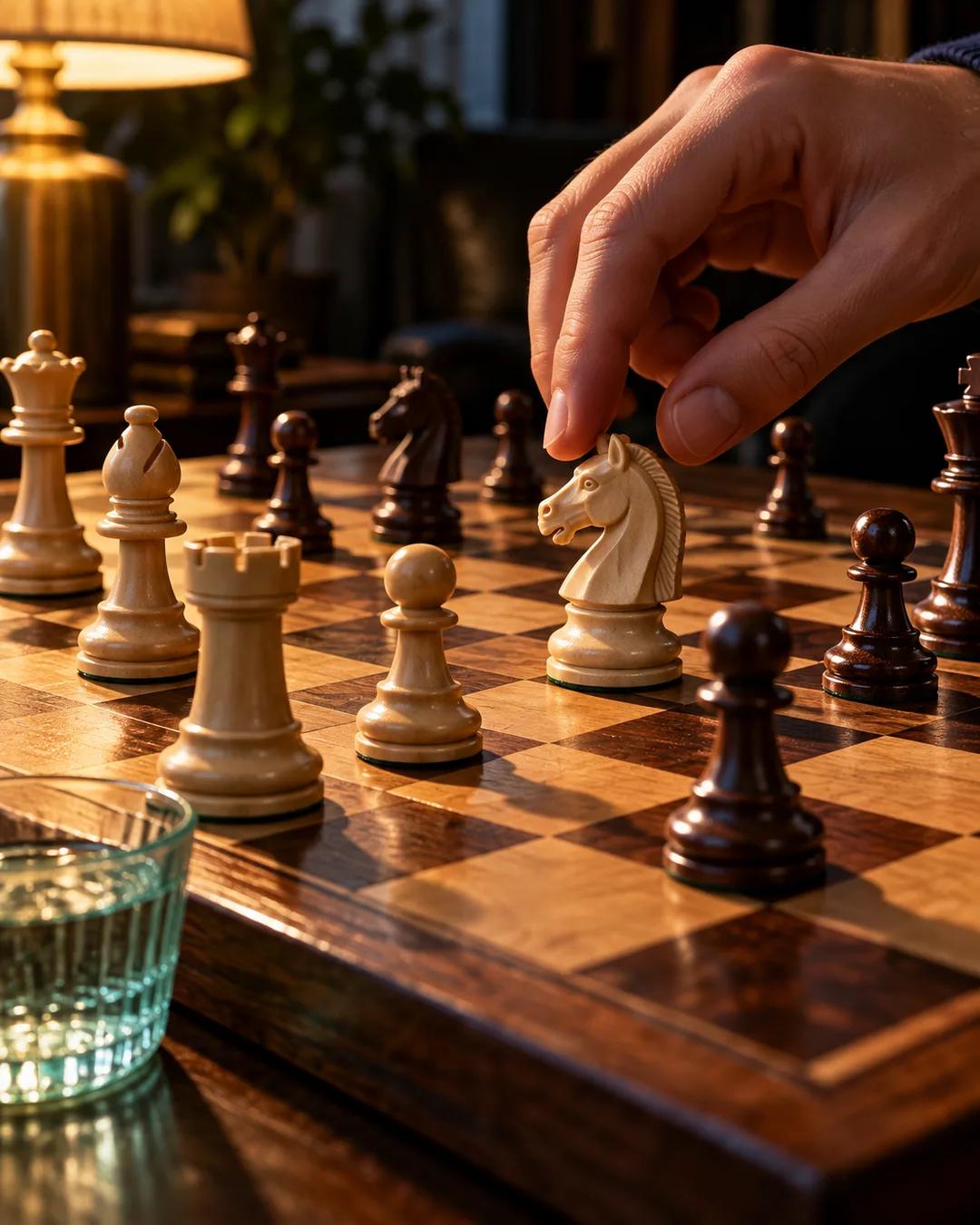
A master chess player makes quick decisions about the next move, and they are good moves. That works because chess is a situation that allows for skill: the game gives a skilled player's judgment something solid to rely on.
How the world differs
The world is not like the chessboard. The relationship between moves and outcomes is much more complicated, and a relatively good move is not necessarily a successful one. Whether to invest in this or that is a decision of that kind, where the first hunch is not necessarily right.
How well a quick decision turns out depends on two things: how skilled the person is, and whether the world provides support for that skill. Slowing down sometimes lets a person see things that the quick first reaction doesn't.
Why can chess masters trust their gut?
In 1973, William Chase and Herbert Simon showed chess masters a game position for five seconds and asked them to rebuild it from memory. Masters placed far more pieces correctly than beginners did, but only when the position came from a real game. With pieces placed at random, the advantage nearly vanished. Simon estimated that a master has stored tens of thousands of familiar patterns, and each one points to a good move.
What makes an environment support skill?
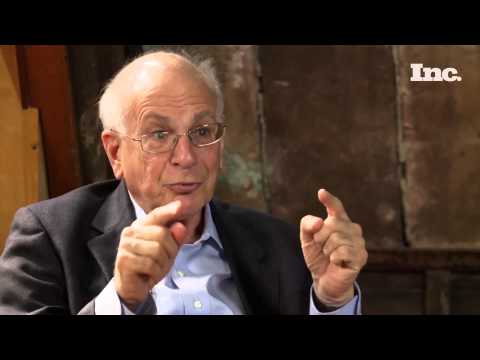
Psychologists Daniel Kahneman and Gary Klein, in a 2009 paper on the conditions for intuitive expertise, named two requirements: an environment regular enough to be predictable, and a long chance to learn those regularities through feedback. Researcher Robin Hogarth called such settings kind learning environments. In wicked environments, feedback is delayed, noisy, or misleading, so experience can teach the wrong lesson. Chess gives the result of every move within a single game, which makes it one of the kindest environments there is.
Where else does expert intuition hold up?
Gary Klein studied fireground commanders in the 1980s and found that they rarely compared options. They recognized a situation as similar to one they had seen before and acted on the first workable plan. He called this the recognition-primed decision model. His later work on nurses in neonatal intensive care units showed experienced staff spotting sick infants before the test results confirmed it.
More from Inc.